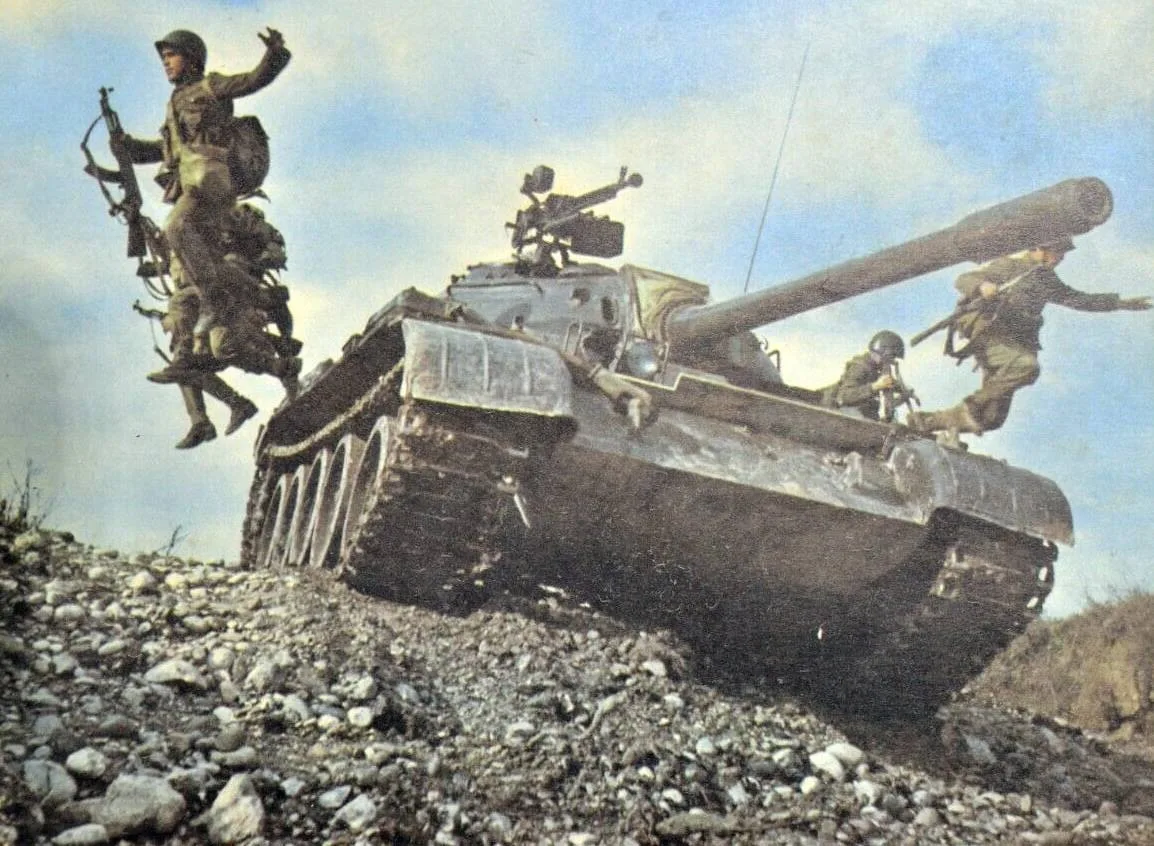
A military exercise is the employment of military resources in training for military operations, held to test tactics and strategies without actual combat. That same training also does quiet diplomatic work. Every big, visible drill tells many audiences several things at once. Partners see commitment. Rivals see capability. Home publics see the force at work, per the reference record on how exercises are run and sized.
This guide explains what drills actually test, how bilateral and multilateral formats differ, and how the messaging works without a shot fired.
What Do Exercises Actually Test?
Two jobs sit at the core of a military exercise, per the reference record. Exercises explore the effects of warfare and test tactics and strategies without real combat. They also ensure the combat readiness of garrisoned or deployable forces before deployment from a home base.
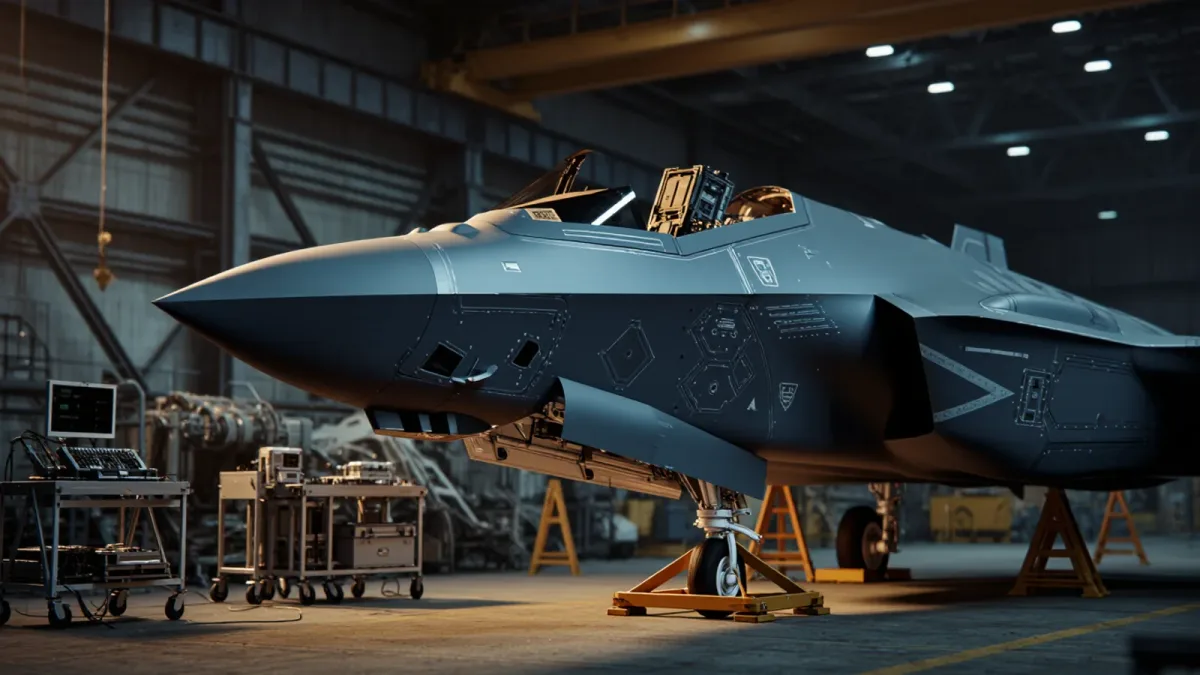
The first job is intellectual. A command can try a plan against a live problem. It learns where the plan breaks. The second job is mechanical. Units that will deploy together must prove one thing first. They can move, communicate, and fight as one. Drills test that before anyone asks for real. Readers following this should also see F-47 Program Builds Test Aircraft on Schedule for 2028 First Flight.
How Do Formats Differ?
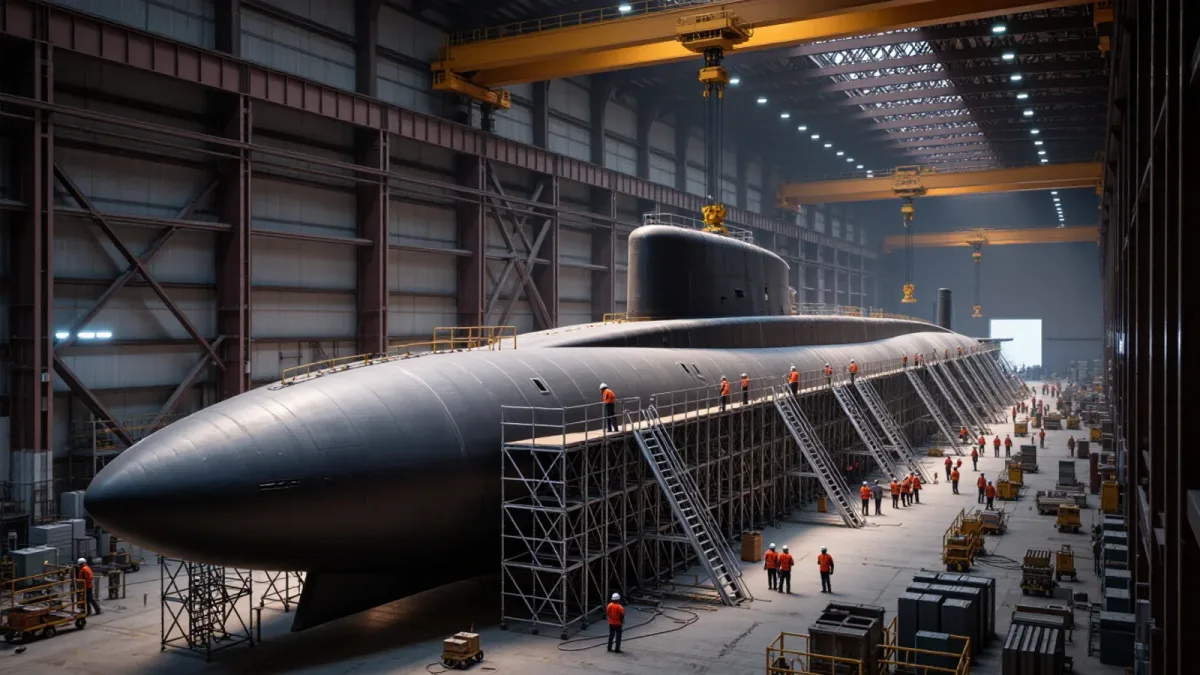
Size follows the agreement behind the exercise. A bilateral drill runs on security agreements between two nations. A multilateral drill runs when the agreement covers multiple nations, per the reference record. We covered a connected angle in CNO: Virginia-Class Deliveries Run Five Boats Behind the Two-a-Year Plan.
- Bilateral: two nations, one shared plan, often a long-standing pair.
- Multilateral: many nations at once. That adds coalition habits, such as shared radio procedures and common tactics.
- Simulation formats: the Tactical Exercise Without Troops (TEWT), also called a sand table, map, cloth model, or computer simulation exercise, lets commanders work through possible scenarios in planning.
What Separates an Exercise From a War Game?
The line is participation. Both war games and military exercises simulate real conditions for preparing and analyzing war scenarios. The distinction rests primarily on whether actual military forces take part in the simulation, per the reference record. A war game can run in a conference room with maps and assumptions. A drill puts troops, ships, or aircraft into the field. The scenario then pays real costs in fuel, hours, and logistics.
That difference matters to observers. Forces gathered in one place are a fact anyone can count. Drills carry more weight as messages than any paper plan for that reason.
How Does the Messaging Work?
The message rides on visible facts. A visible drill puts power where cameras can see it. Formations move. Systems run. Allies work side by side. The nations taking part choose the scale, the place, and the timing. Each choice speaks to a different audience.
Partners read assurance in the same facts. Rivals read power. Home audiences see training that justifies budgets. None of this needs a statement. The drill itself is the statement. The record notes the basic function: drills prepare forces while showing what those forces can do.
Why Readiness and Signaling Reinforce Each Other
The two functions feed each other. A force that drills often trains the exact skills a real deployment needs. The readiness check is real work, not theater. And because the work is real, the signal it sends is credible in a way that a speech cannot be.
That is also why observers track the details. Participation numbers, dates, and equipment types all appear in the open. Each one adds information for anyone reading the message.
Conclusion: Practice in Public
Drills are training with an audience by design. The core record is unchanged. They test tactics without combat. They prove readiness before deployment. Everything around that core adds more. Bilateral agreements and simulation formats add layers of coordination and visibility. As of 2026, the practice remains one of the few defense activities that trains the force and communicates policy in the same motion.