Topic
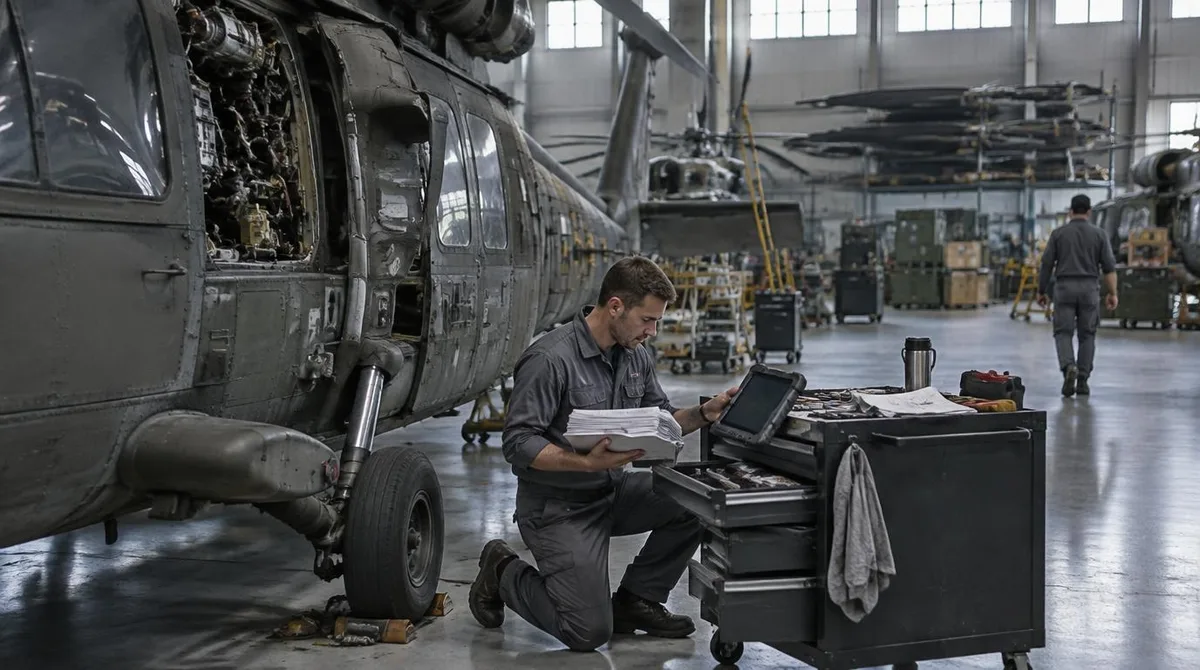
Analysis: Right to Repair Splits Defense Industry and Congress as FY27 NDAA Decision Looms
Both chambers back default government purpose rights for technical data. Both sides claim readiness is at stake. The trade-offs deserve a closer read.
Both chambers back default government purpose rights for technical data. Both sides claim readiness is at stake. The trade-offs deserve a closer read.
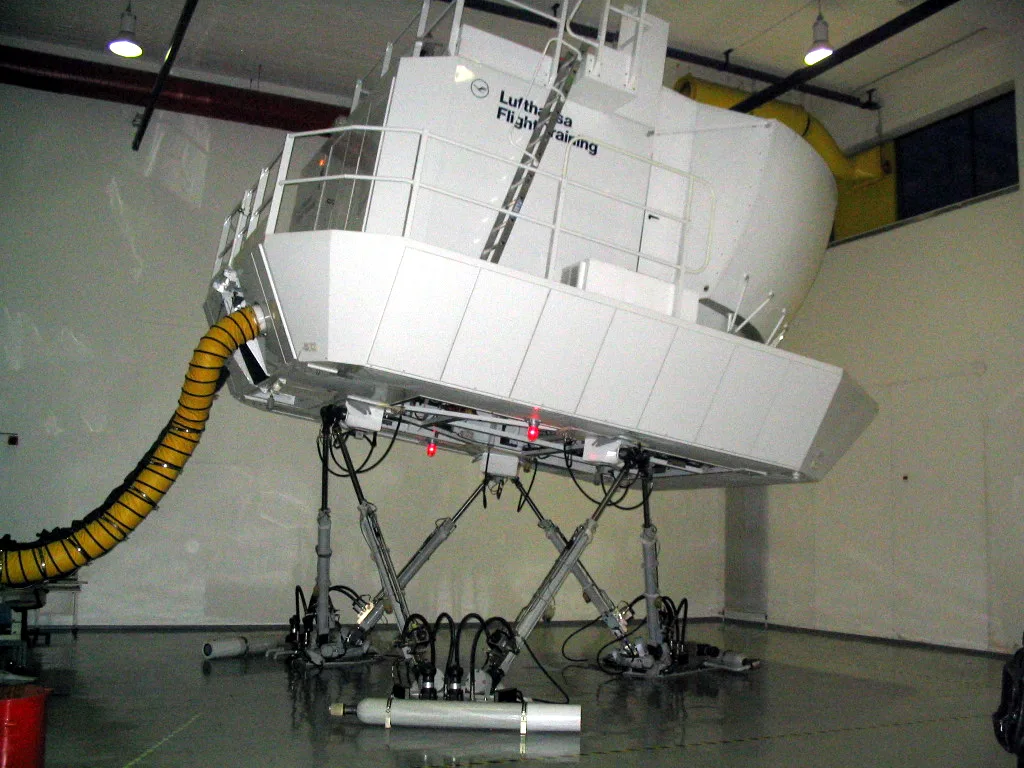
Flight simulators replicate flight physics, failures, and weather, and FAA-qualified devices earn training credit, which is how 1,270 airline simulators cut both cost and risk.

Standards, incentives and demographics decide who fills the ranks — and policy sets all three.

Two US regimes, ITAR and EAR, govern which defense and dual-use technologies can leave the country — and the license queue sits between a factory and its foreign sale.
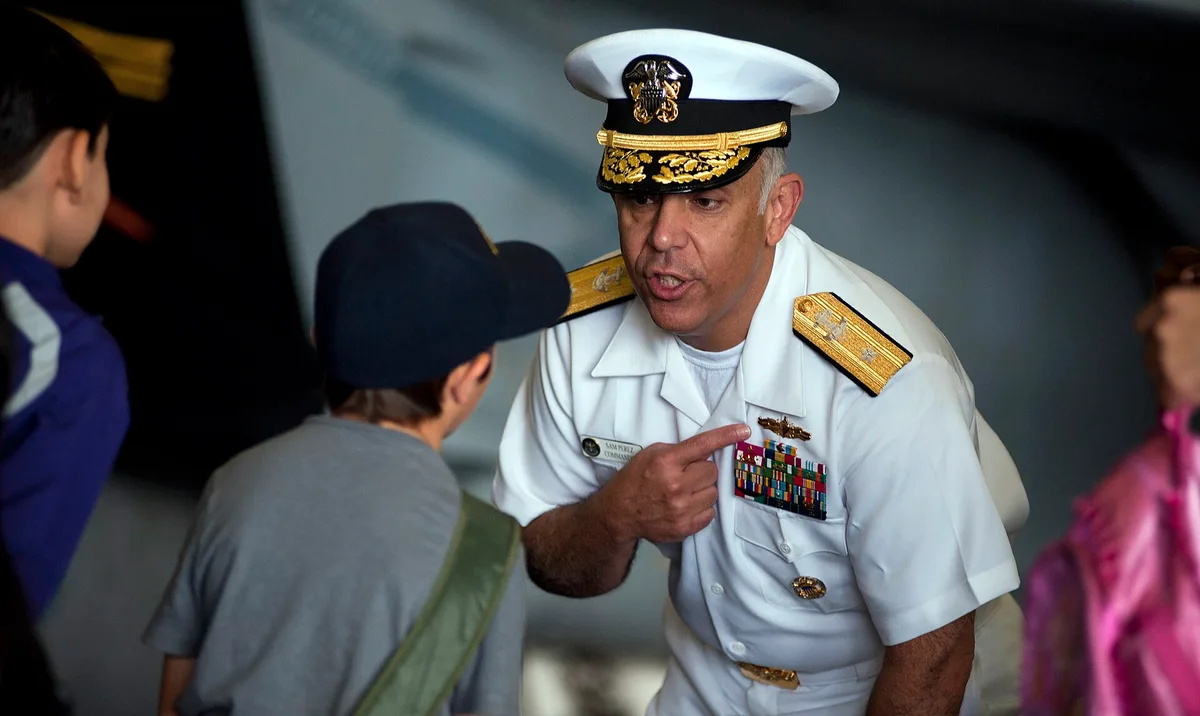
What sails together, why the mix of escorts matters, and how a deployed carrier group connects to shipyards and hometown employers.

The North Atlantic Treaty's Article 5 has been invoked exactly once, by the United States after the September 11 attacks.
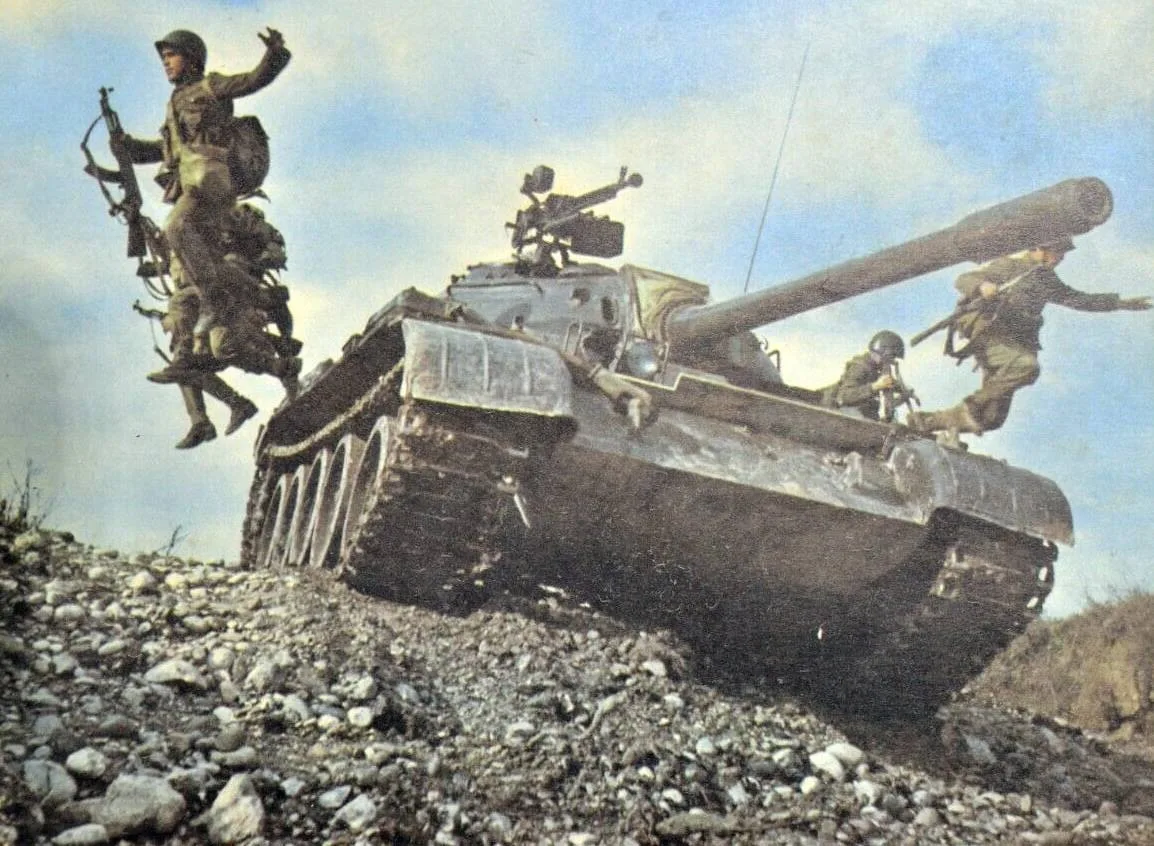
Military exercises test tactics and prove readiness before deployment, and the same visible facts train the force while signaling capability to partners and rivals.

Groups of satellites working as one system reshaped how armed forces stay in contact. Here is how the shift happened and why it matters.
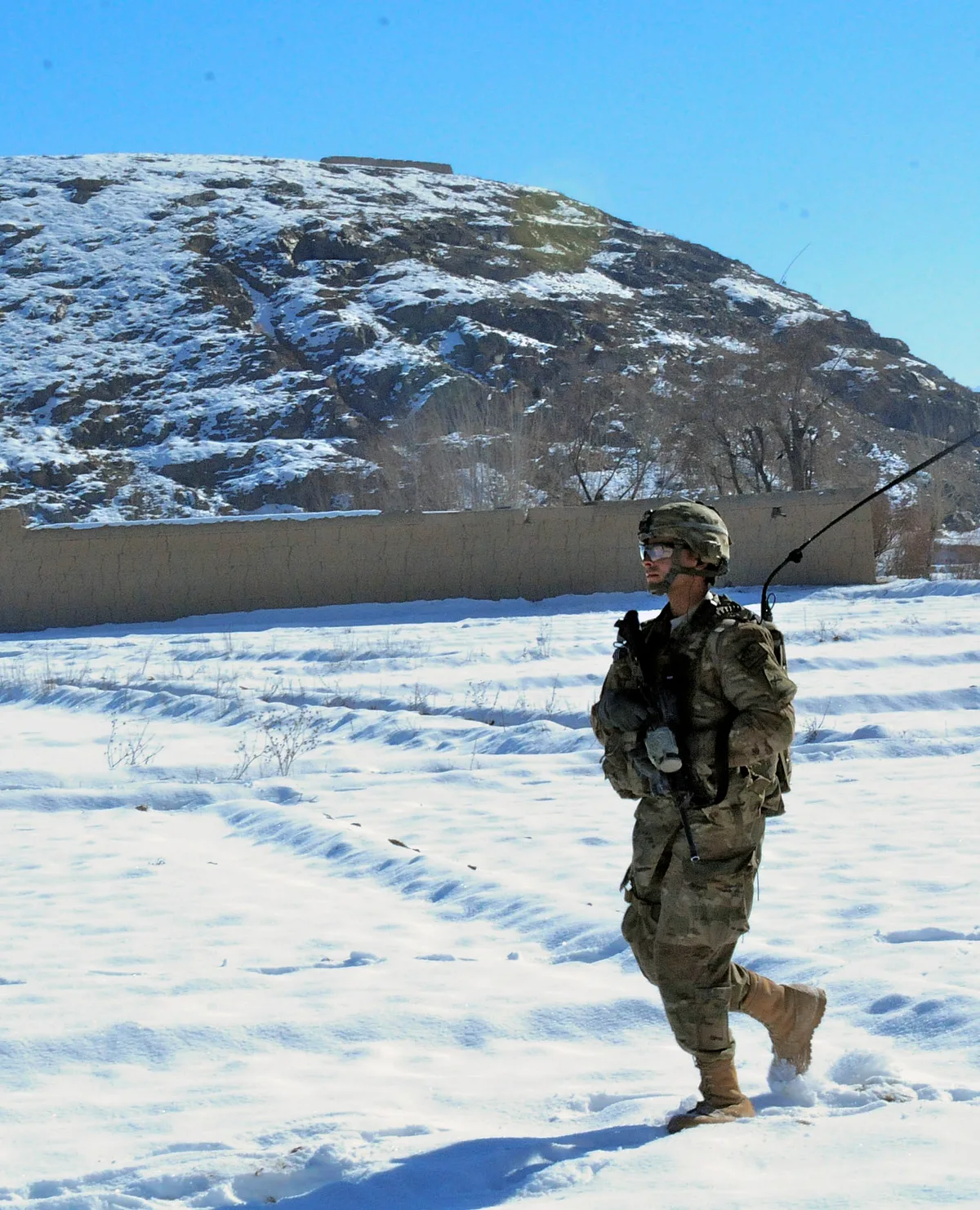
US clearances run on three levels, Confidential to Top Secret, granted after a thorough background check, with need to know acting as the second lock on every secret.

Defense budgets pass through two separate doors: authorization and appropriation. Here is how the cycle works and where programs stall.