Topic
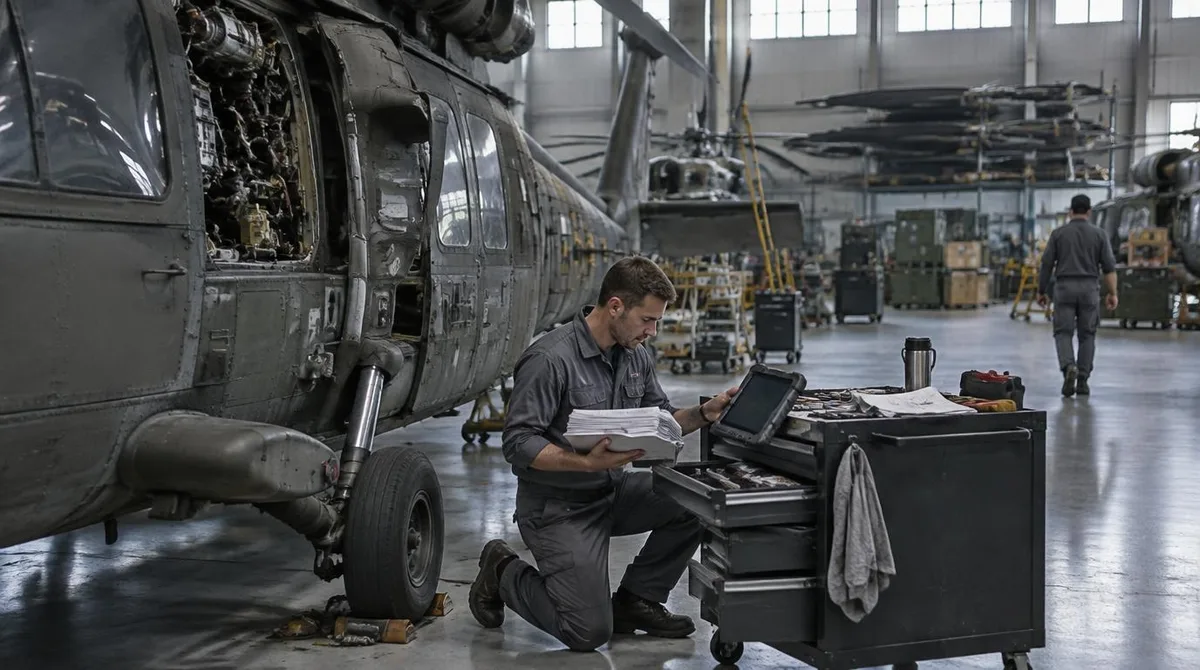
Analysis: Right to Repair Splits Defense Industry and Congress as FY27 NDAA Decision Looms
Both chambers back default government purpose rights for technical data. Both sides claim readiness is at stake. The trade-offs deserve a closer read.
Both chambers back default government purpose rights for technical data. Both sides claim readiness is at stake. The trade-offs deserve a closer read.

The rules that protect public money are the same rules that slow every weapons program down.

Two US regimes, ITAR and EAR, govern which defense and dual-use technologies can leave the country — and the license queue sits between a factory and its foreign sale.
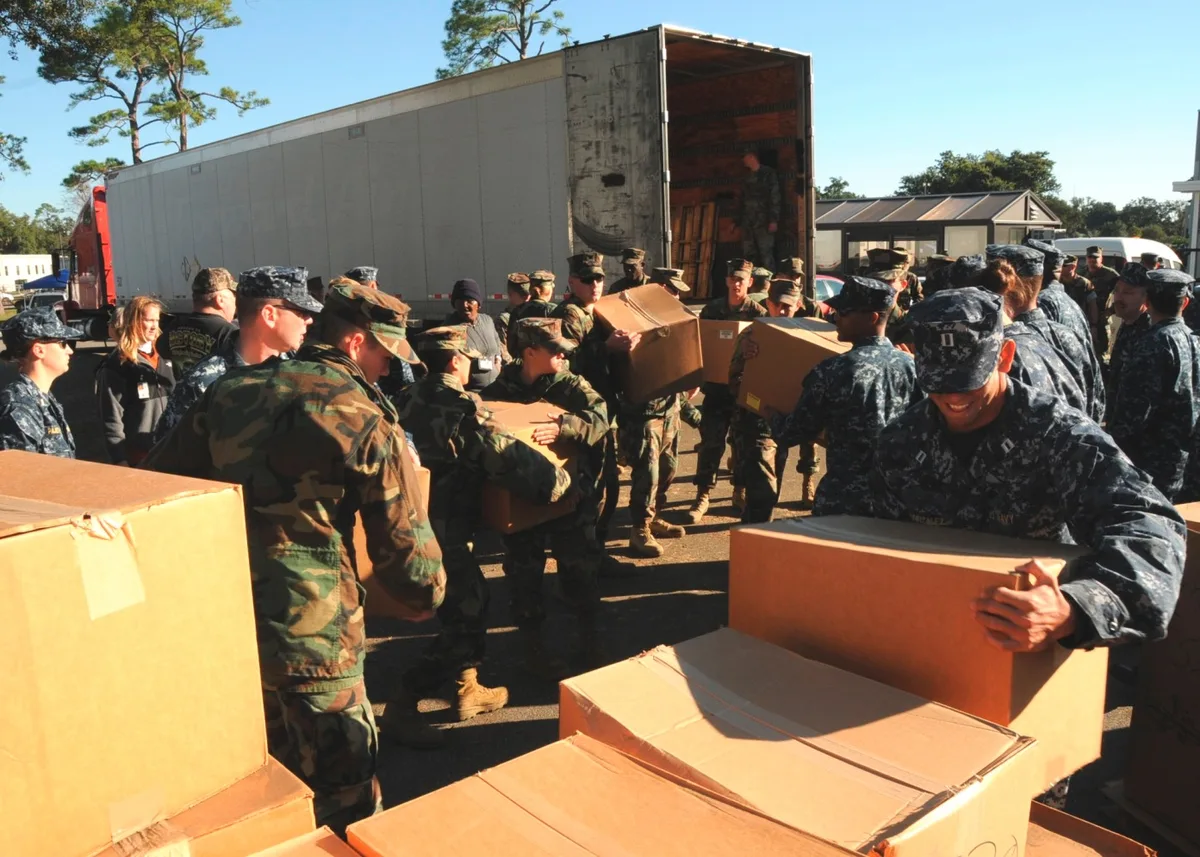
Education, health care and disability compensation run on different eligibility rules. Here is how each one works.
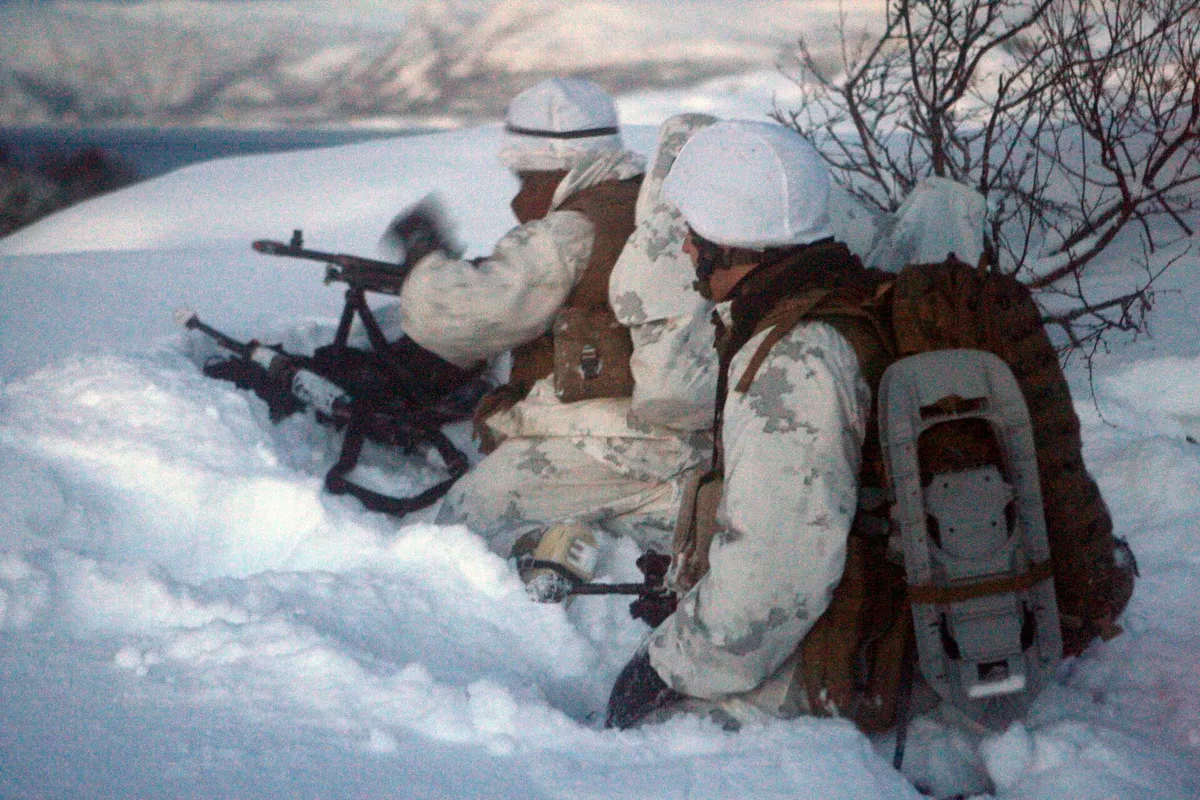
The US Army's 2016 manual counts a quarter of the Earth's land as cold regions, and the training to operate there starts with uniforms, skis, and winter doctrine.

The North Atlantic Treaty's Article 5 has been invoked exactly once, by the United States after the September 11 attacks.

Military exercises test tactics and prove readiness before deployment, and the same visible facts train the force while signaling capability to partners and rivals.

Groups of satellites working as one system reshaped how armed forces stay in contact. Here is how the shift happened and why it matters.
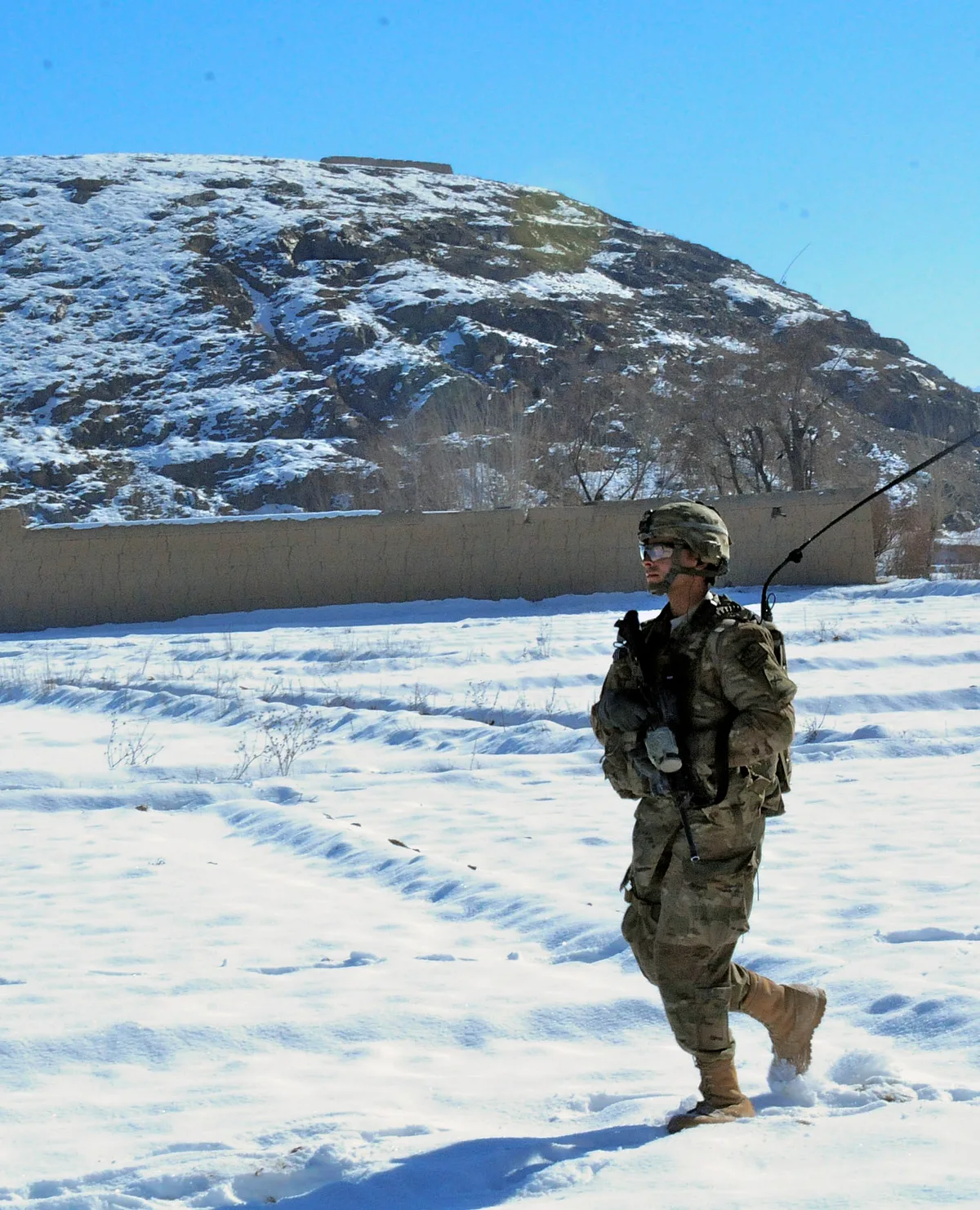
US clearances run on three levels, Confidential to Top Secret, granted after a thorough background check, with need to know acting as the second lock on every secret.

Inside MIL-STD-810 environmental testing, and why proving a device survives heat, cold, vibration, and sand demands deliberate, repeatable lab work.