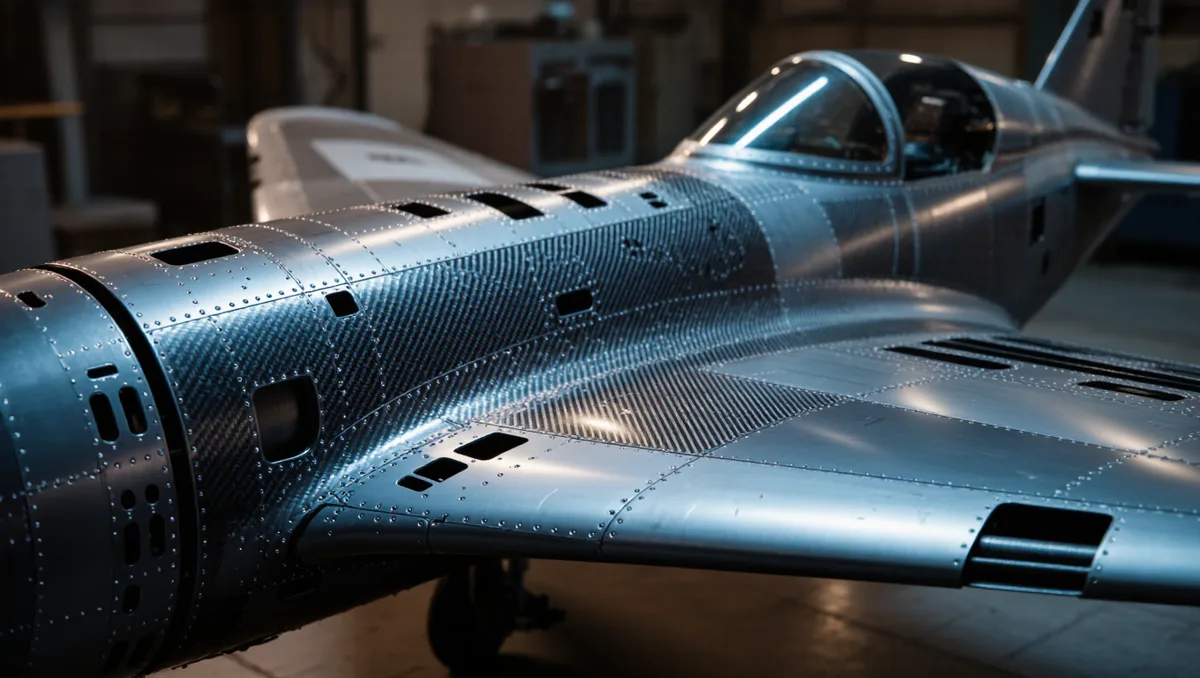
How Satellite Constellations Changed Battlefield Comms
Groups of satellites working as one system reshaped how armed forces stay in contact. Here is how the shift happened and why it matters.
Innovation follows defense research before it becomes procurement: laboratory programs, autonomy trials, directed-energy demonstrators and materials work. Each entry states the technology readiness level, the funding line and the physical limits involved. Useful for researchers, program staff and investors judging which prototypes have a realistic path to fielding.
Research programs, autonomy trials and directed-energy prototypes assessed on physics and funding, including those quietly canceled between budget cycles.
Groups of satellites working as one system reshaped how armed forces stay in contact. Here is how the shift happened and why it matters.
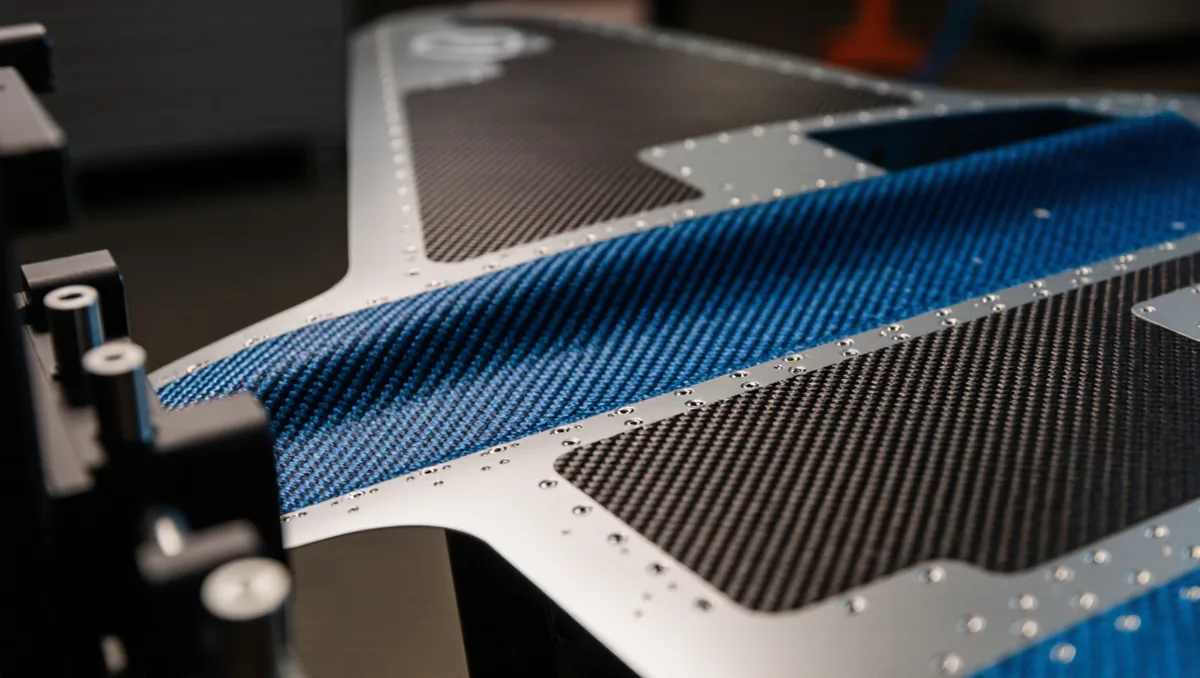
From drone boats to autonomous submarines, how unmanned surface and underwater vessels work, what they do, and where maritime rules are heading.
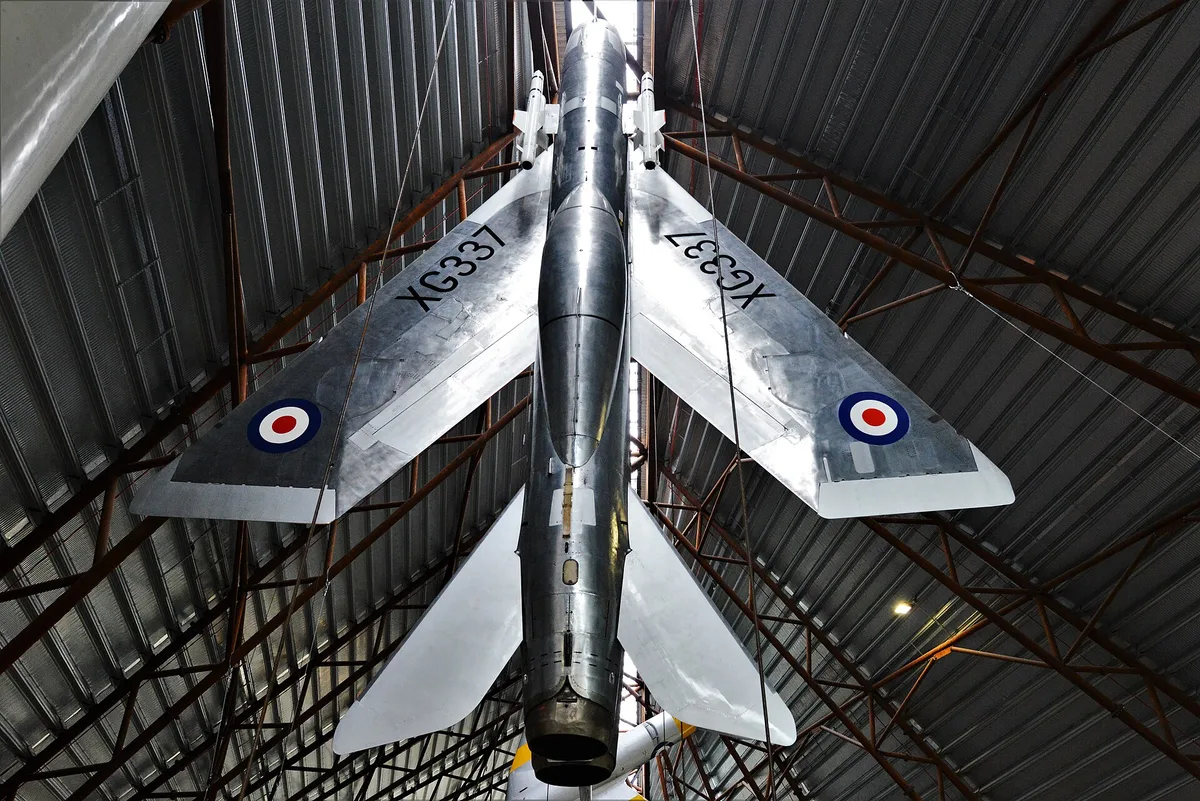
Why the gap between batteries and jet fuel, not certification paperwork, sets the pace for electric flight.
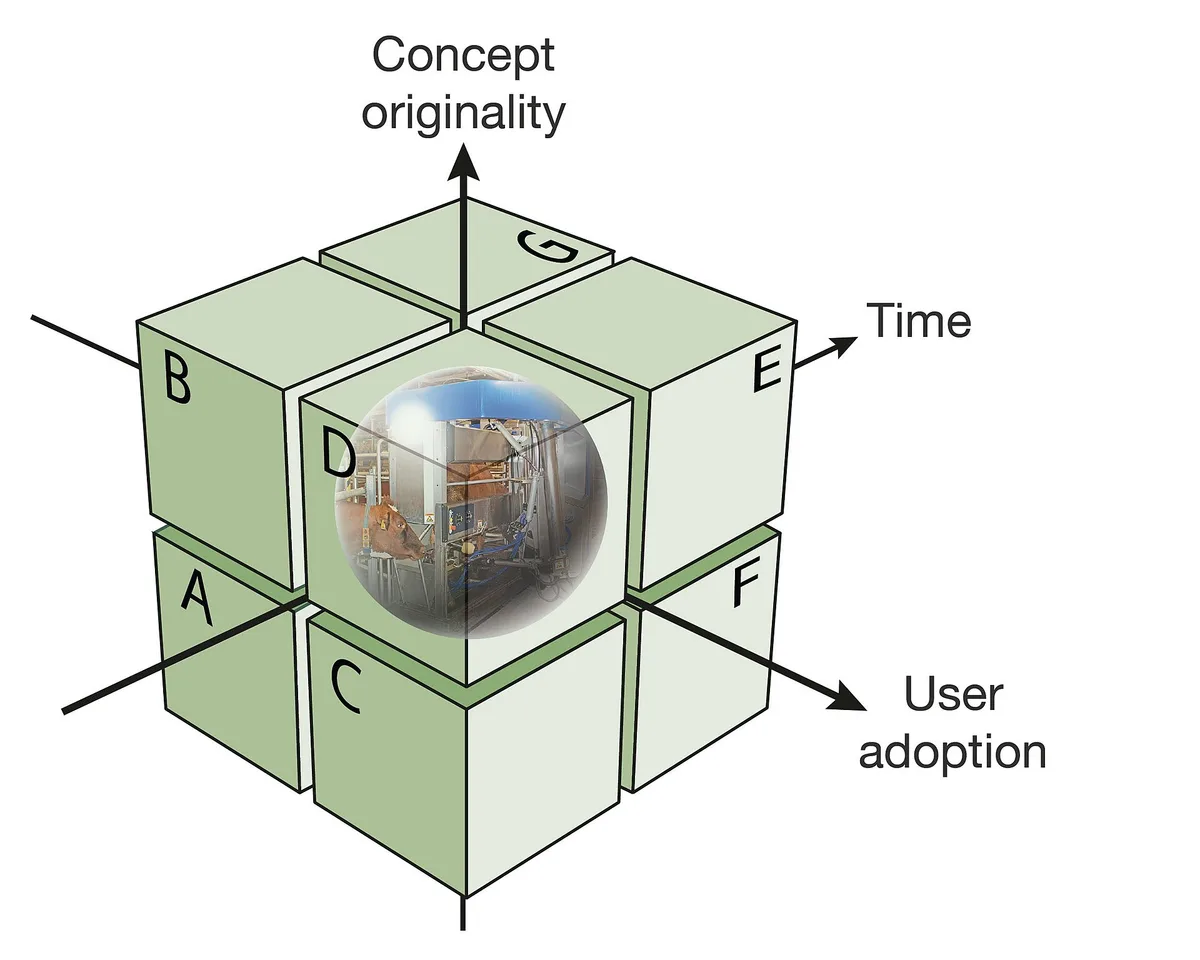
Invention creates something new. Innovation makes it matter. The distinction explains why the Pentagon funds so many prototypes and fields so few.
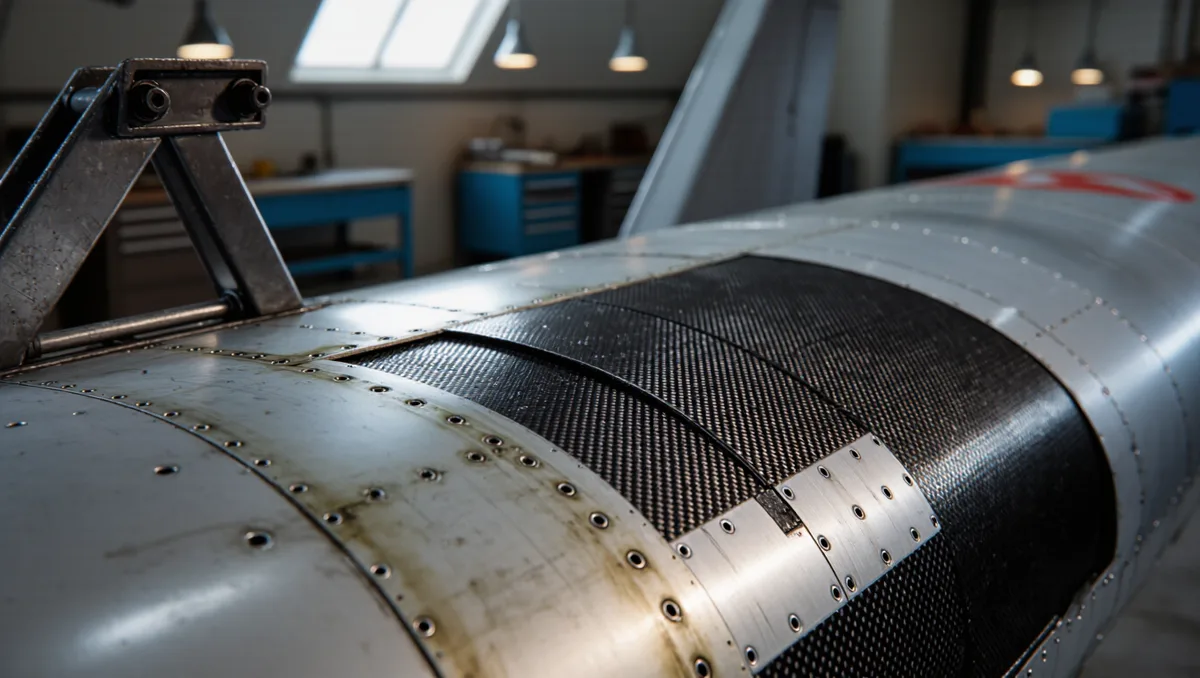
A prototype that works in a lab is not a program of record. The gap between the two — and how technology transition defense efforts try to cross it — shapes which ideas reach troops.

The DoD's Milestone C review is the formal gate between a prototype and low-rate production, governed by strict criteria under DoD Instruction 5000.85.