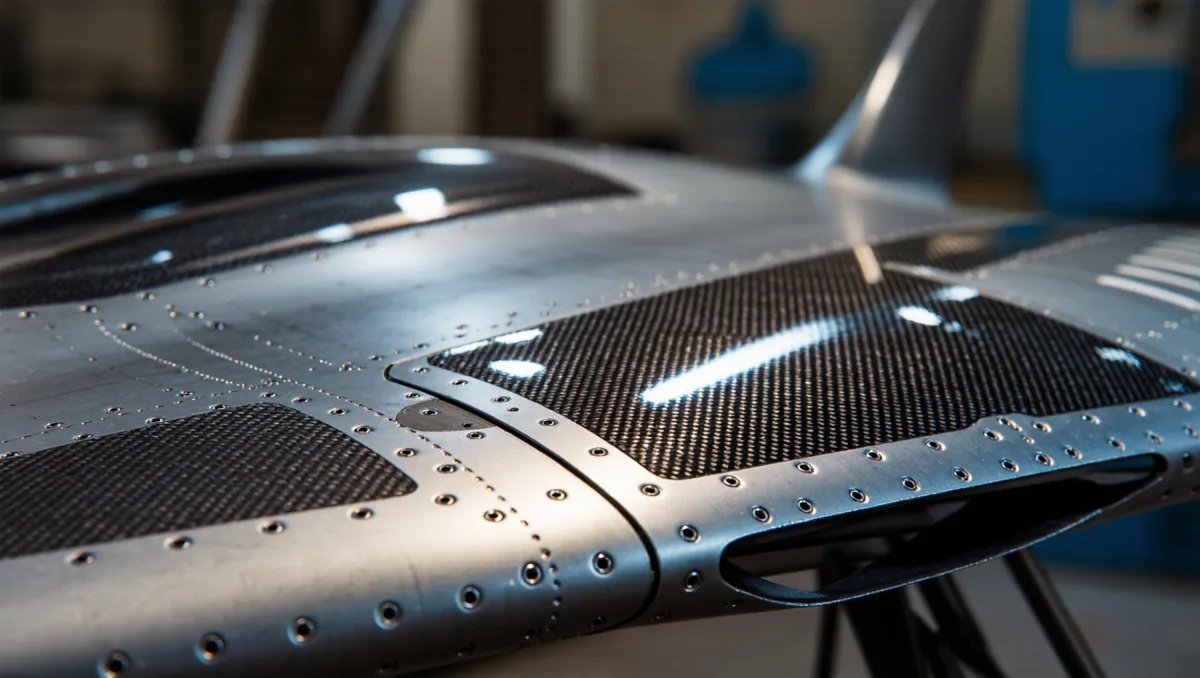
Why Military-Grade Testing Takes So Long
Inside MIL-STD-810 environmental testing, and why proving a device survives heat, cold, vibration, and sand demands deliberate, repeatable lab work.
The contractors behind military hardware: production rates, backlog, workforce, castings, chips and the bottlenecks that push delivery dates to the right.
Inside MIL-STD-810 environmental testing, and why proving a device survives heat, cold, vibration, and sand demands deliberate, repeatable lab work.
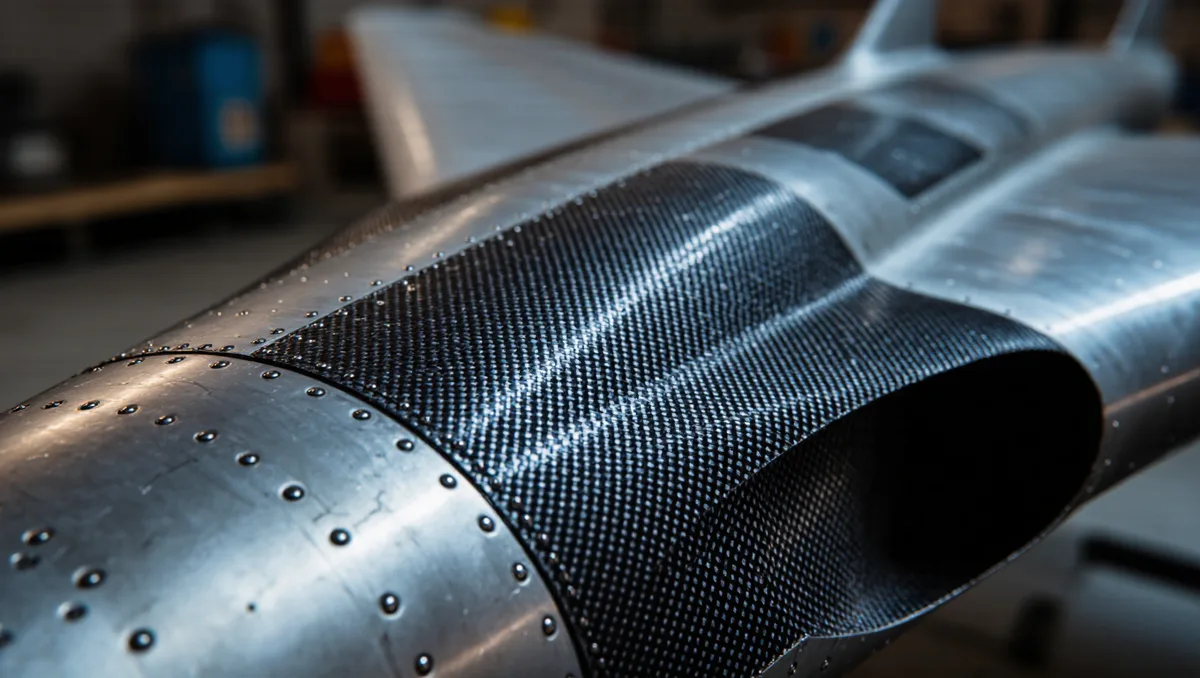
Warship construction is a years-long industrial sequence, and each stage shapes the delivery date as much as any contract.
A new paper argues the defense establishment has traded hard strategic choices for a promise of permanent technological change.
The company disclosed what it bought and why. It did not disclose what it paid. Here is how to evaluate the announcement from the documents that exist.
The statutory conditions, approval thresholds and follow-on production path behind the Pentagon's fastest-growing contracting instrument — and the data gaps GAO says still obscure it.

Roughly a quarter of federal contract dollars flow to small businesses under rules that reserve entire competitions for them — a system with its own thresholds, programs, and failure modes.