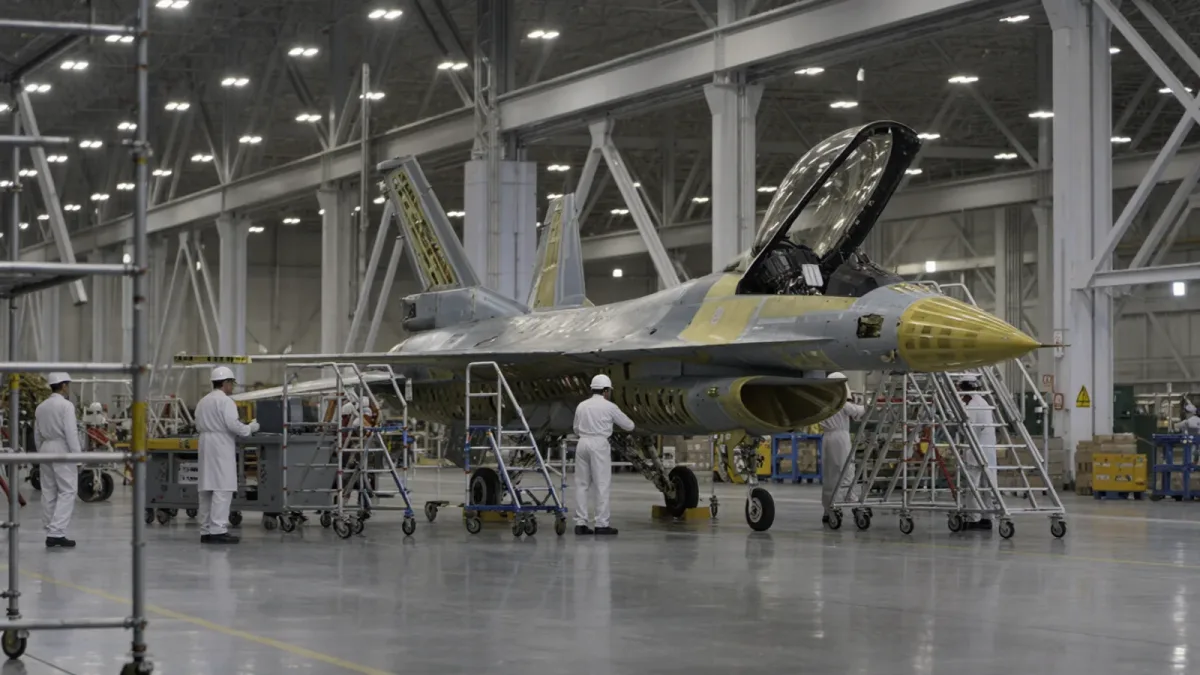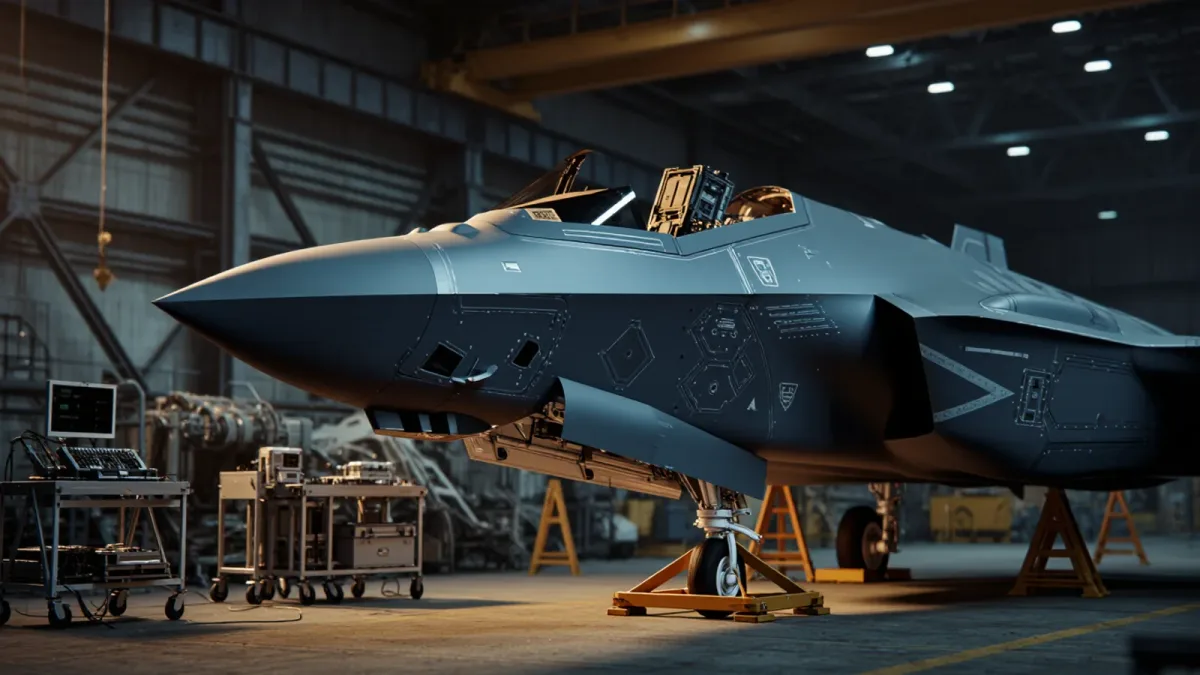
The F-47 program is building test aircraft on schedule for a first flight in 2028, per Defense News on July 30, 2026, with assembly underway at Boeing's St. Louis facility. The update, delivered alongside budget figures showing the program's resources climbing steeply, offers the clearest public picture yet of the Air Force's sixth-generation fighter timeline.
What do the budgets show?
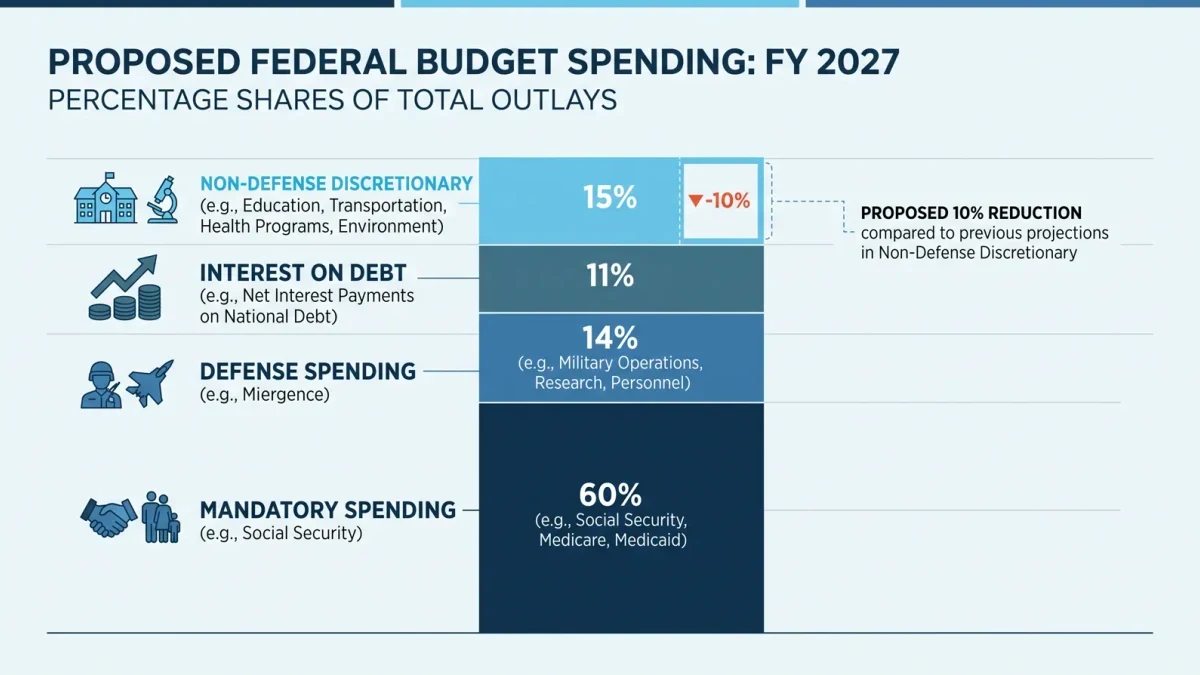
The money trajectory is steep. FY2026 allots $3.45 billion for the F-47, per Defense News on July 30, 2026, and the FY2027 budget request exceeds $5 billion. Annual spending of that scale in the engineering and manufacturing development phase puts the program among the most heavily funded aircraft efforts in the department, reflecting both the technical ambition of the aircraft and the political priority attached to next-generation air dominance.
Spending at this rate funds the test fleet build, integration labs, ground test articles, and the industrial ramp at the assembly line. It also signals commitment: programs with rising development budgets are hard to cancel, and the growing topline suggests Congress and the Pentagon have settled in for the long development ride rather than hedging.
Why is the schedule credible?
The F-47's schedule rests on an unusual foundation: before the Air Force awarded Boeing the EMD contract on March 21, 2025, both competing contractors had flown classified full-scale prototype aircraft, per Air Force statements. That means the design entering production has already been airborne in demonstrator form, de-risking configuration choices that ordinarily wait for a first flight years after award.
The 2028 first flight target, roughly three years after contract award, would compress a cycle that recent programs have stretched far longer. Program officials argue the prototype experience, digital engineering tools, and stable funding make the date achievable, per Defense News. The current phase, building test aircraft while development continues, keeps the pressure visible: if structures, systems integration, or supplier deliveries stumble, the slip will show in St. Louis within months rather than hidden in paperwork.
What does the aircraft actually do?
Public detail on the F-47 remains tightly classified, including performance figures and signature characteristics. What the Air Force has described is the operational concept: a crewed fighter designed for the next-generation air dominance mission, acting as a command node for collaborative combat aircraft, the uncrewed drones intended to fly alongside, carry weapons, and extend sensing. The pairing is meant to distribute capability that earlier programs concentrated in a single expensive airframe.
Affordability is an explicit design requirement, with the service targeting a unit cost below the F-22's adjusted for inflation, per Air Force statements. That goal, alongside the CCA family-of-systems construct, shapes requirements decisions that outsiders can see only through budget documents and workforce signals.
What comes between now and 2028?
Between now and first flight, the measurable markers are the completion of test airframes, static and fatigue test articles validating the structure, engine runs, and taxi tests in the months before flight. Funding confirmation in the FY2027 appropriations cycle, against the more than $5 billion request, is the other signal to track. On present course, per Defense News on July 30, 2026, the F-47 remains the most consequential fighter program on schedule, and its 2028 date is the number the entire next-generation air dominance enterprise now hangs from.
Competition for engineers and floor space inside Boeing's St. Louis works is real, with the T-7A program ramping under the same roof. The company has said the fighter programs are scheduled deliberately to share surge capacity, per Defense News, a model that will get its first true test as F-47 assemblies multiply through 2027.