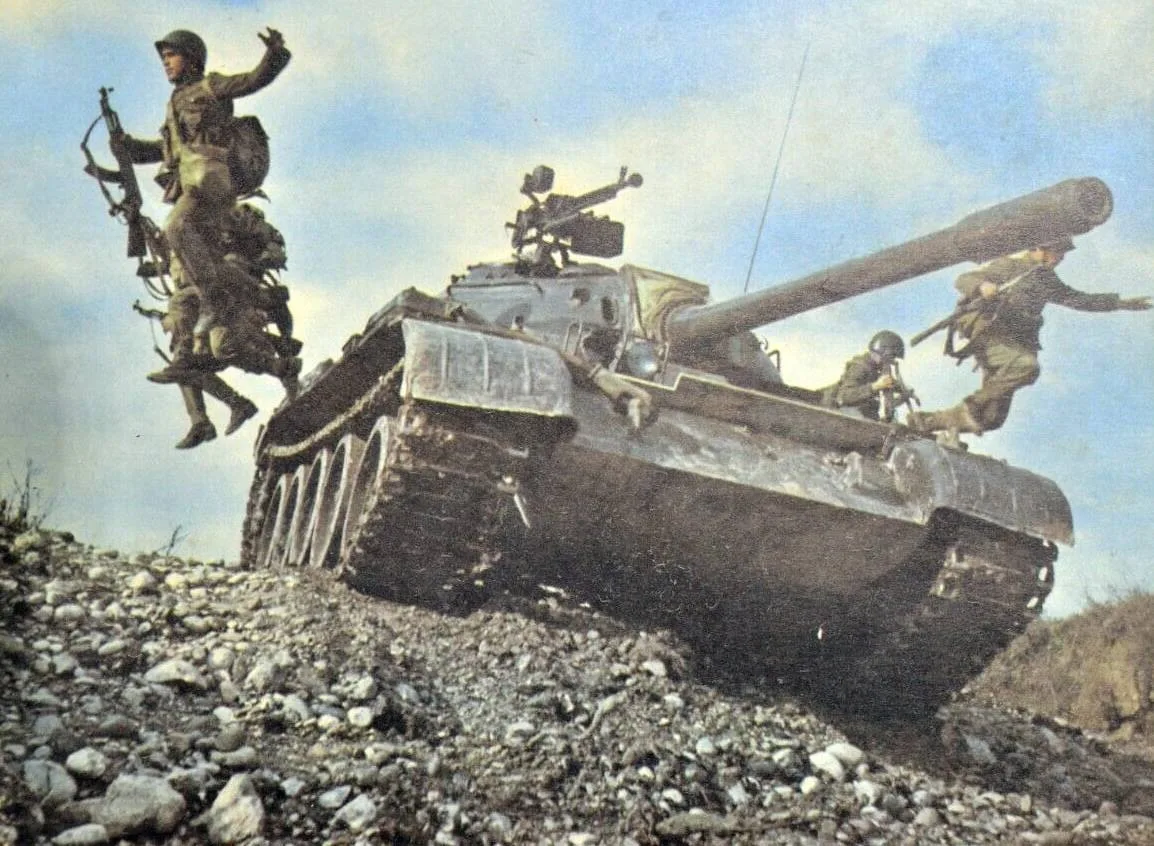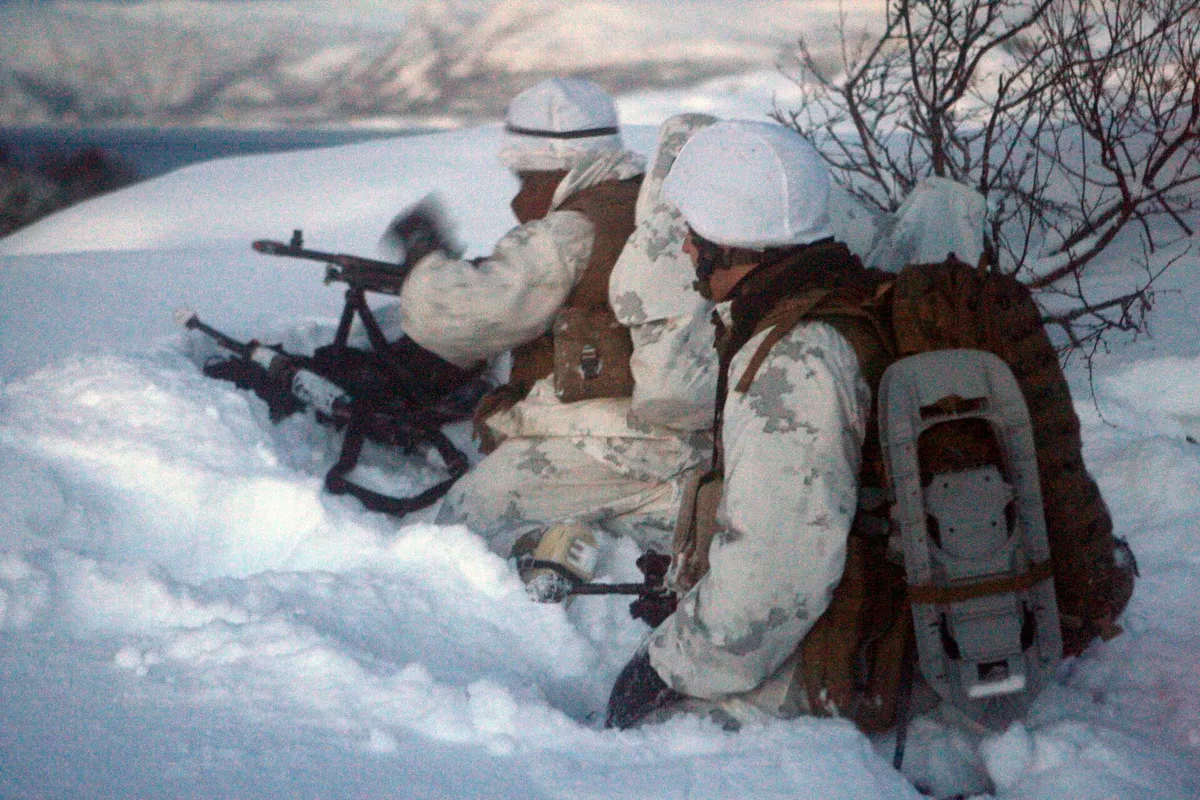
Cold-weather warfare covers military operations affected by snow, ice, thaw, or cold, on land and at sea, together with the tactics and training those conditions demand. Militaries train for it because the terrain is large and the history is blunt. Cold and thaw decided the fate of the failed French invasion of Russia in 1812. They did the same in the Soviet invasion of Finland in 1939. The German invasion of the Soviet Union in World War II ran into them as well.
This guide covers what counts as a cold region, how forces train and equip for winter, and why northern terrain draws renewed attention now.
What Counts as a Cold Region?
The United States Army set the working definition in its 2016 manual, Mountain Warfare and Cold Weather Operations. Cold-weather warfare has a working definition. Cold regions are areas where cold temperatures, unique terrain, and snowfall have a significant effect on military operations. The effect must last for one month or more each year.
The manual splits those regions into two classes. Severely cold and moderately cold regions each cover roughly one quarter of the Earth's land mass, per the manual's description. That footprint is why cold-weather skills are not a niche: a large share of the map demands them at least part of the year. Readers following this should also see CNO: Virginia-Class Deliveries Run Five Boats Behind the Two-a-Year Plan.
What Skills Does Winter Training Build?
Winter training starts with movement and survival, then scales up. Troops learn to travel on skis and snowshoes. They learn to camp and fight in deep cold. They keep weapons and vehicles working when lubricants thicken and metal goes brittle. The 1942 record shows the scale. A command had to prepare entire divisions for winter warfare. The work began with warm uniforms and winter equipment such as skis. It continued with dedicated training for winter operations.
The lessons fed a series of manuals that covered three operation lines, per the historical record.
- Flight operations: reduced daylight, snow drifting, and cold temperatures impeded air transport.
- Engineer operations: engineer troops built and cleared routes through snow and ice.
- Combat arms: infantry and armor adapted tactics to frozen ground and short days.
What Does History Teach About Cold as an Enemy?
History treats weather as an active combatant. Thaw has been a decisive factor in failed campaigns. It turns roads to mud and slows armies at the moment they need speed. Well-documented winter campaigns cluster in Northern and Eastern Europe, and several World War II actions took place above the Arctic Circle. This connects to our earlier piece, Boeing F-47 Has Entered Production, With First Flight Set for 2028.
The Pacific held its own cold theater. From June 1942 to August 1943, the United States and Canada fought the Japanese in the Aleutian Islands Campaign in the Alaska Territory, a reminder that cold-weather fights reach far beyond Europe.
Why Does the Arctic Draw Attention Again?
Geography keeps the region on the map. Since the purchase of Alaska from the Russian Empire in 1867, the United States has been one of the eight Arctic nations and one of the five Arctic Ocean littoral countries, per the reference record. It has held a seat on the Arctic Council since that body's inception in 1996. Melting sea ice, new shipping lanes, and northern base activity keep the region in planning debates. Every one of those debates lands on the same fact. The hardware and the training for cold regions take years to build.
Conclusion: Training Is the Countermeasure
Cold punishes armies that arrive unprepared, and history records the price in failed campaigns. The countermeasure is unglamorous and expensive. It takes warm equipment, winter-trained divisions, engineers and aviators who know the conditions, and doctrine written from hard experience. The 2016 Army definition makes the scope plain, since a quarter of the Earth's land counts as cold under it. As of 2026, forces that want to operate in the north still have to earn it the old way, one winter at a time.