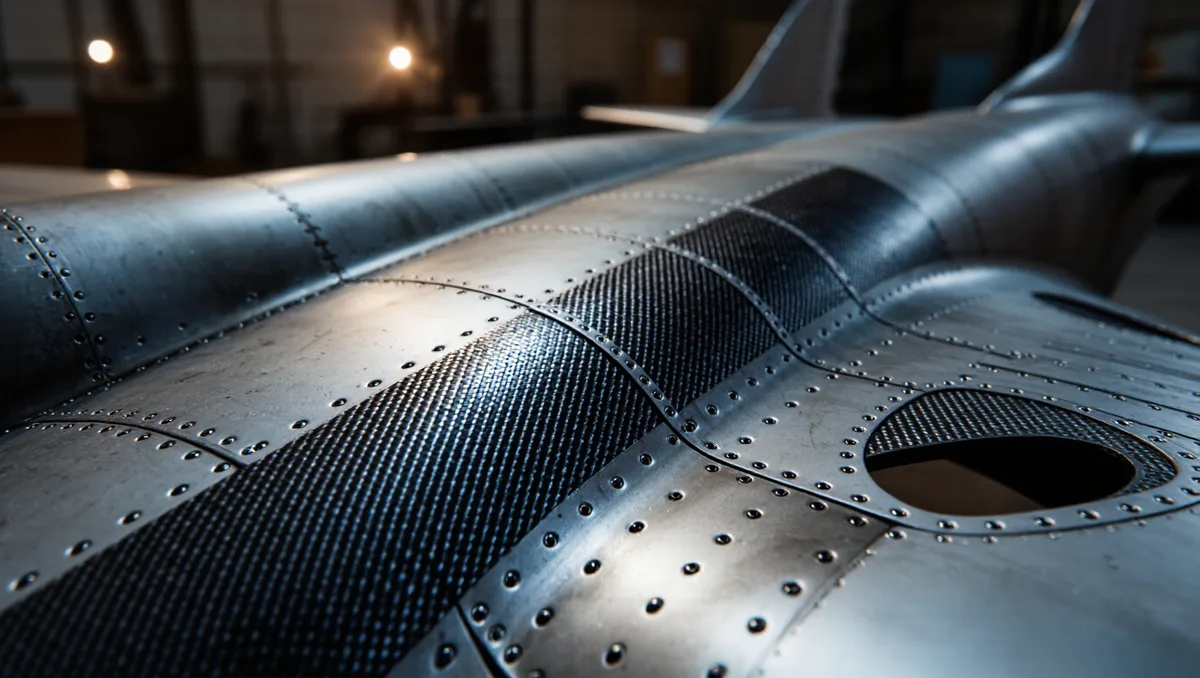
How Defense Budgets Actually Work
Defense budgets pass through two separate doors: authorization and appropriation. Here is how the cycle works and where programs stall.
Authorization bills, appropriations, export licensing and alliance commitments explained clause by clause, with dates and figures that decide programs.
Defense budgets pass through two separate doors: authorization and appropriation. Here is how the cycle works and where programs stall.

Deterrence works on beliefs, not hardware. The threat only deters if the adversary believes it will be carried out — which is why credibility, not force counts, does the heavy lifting.

The defense budget runs on a two-year clock that starts inside the building long before Congress votes — and a missed appropriations bill, not a design flaw, is what most often freezes program money.

GAO's latest review of nearly five decades of stopgap funding finds the same pattern every time: schedule delays, cost growth, and administrative drag across programs from the Amphibious Combat Vehicle to the F-35.
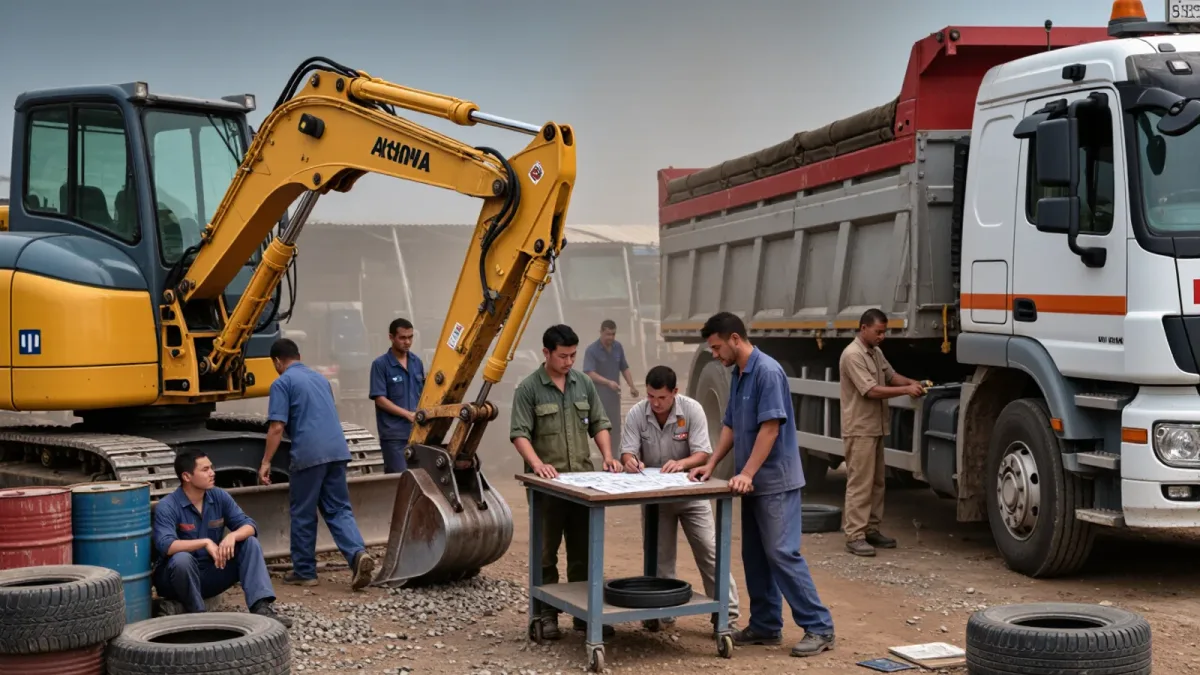
A few hundred pages of standardization agreements are what let an Italian tanker refuel an American vehicle and a Danish radar feed an American battle network.
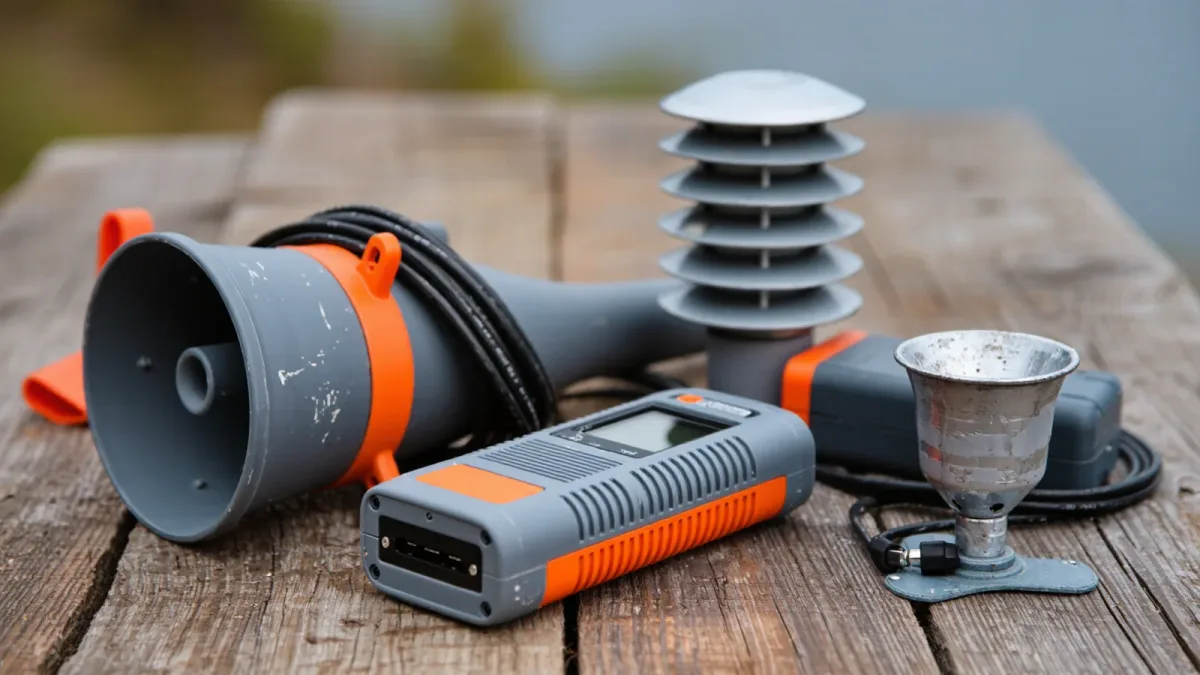
Before a range hosts new training cycles, expanded sonar or supersonic flight, NEPA requires an environmental review — and per NOAA Fisheries practice, marine mammal protections add a second permitting layer.