Vietnam is trying to buy fewer finished weapons and build more of them at home, according to a September 2026 report by Indo-Pacific Defense FORUM contributor Peter Parson. The describes a procurement method analysts call "buy small, test thoroughly": purchase proven systems in small initial batches, learn to maintain them, then mix suppliers so no single country controls the parts. The evidence for the shift is real, but the evidence that it has produced self-reliance is thinner.
The distinction matters for anyone tracking defense procurement in Asia. A country that assembles imported radar, engines and missiles into domestically built hulls has changed its supply chain. It has not yet changed its dependence. The FORUM report, republished by Eurasia Review, documents the first kind of progress in detail; the second remains largely an aspiration attributed to a single analyst.
Readers looking for how a mature procurement system moves from requirement to fielding can compare this with How a Pentagon Program Moves From Requirement to Fielding. Vietnam's model is deliberately different, and that difference is the story.
What does the reporting actually establish?
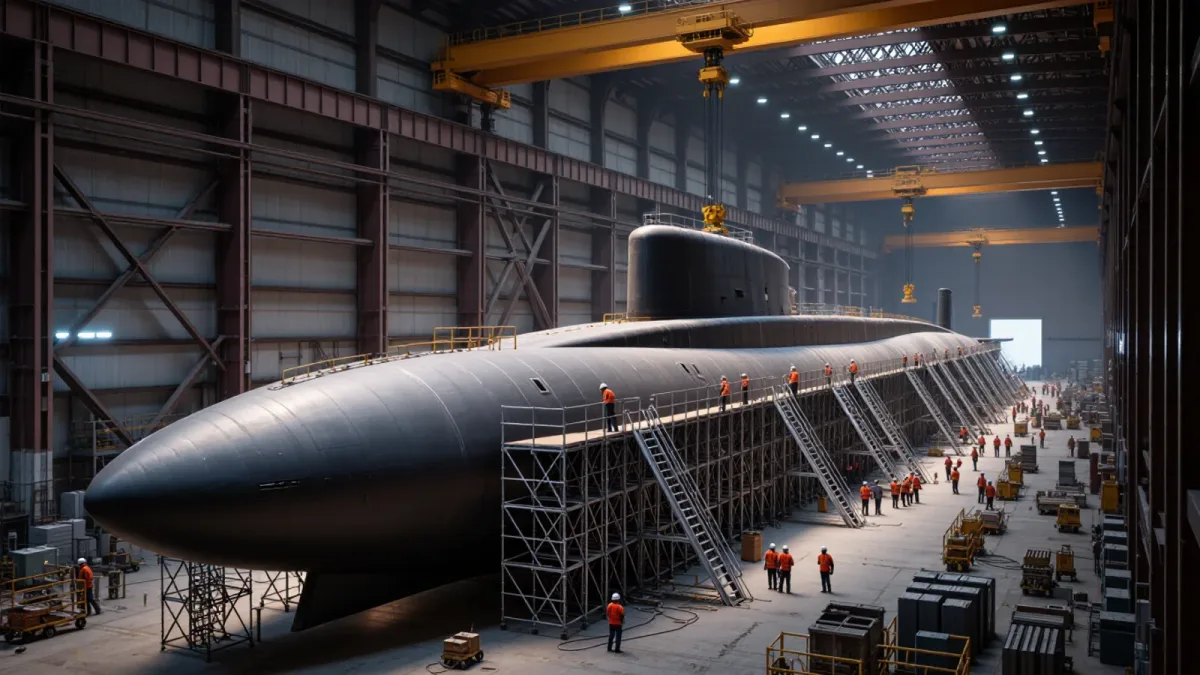
The concrete claims are specific and attributed. Technology transfer agreements have equipped infantry divisions with domestically made small arms, including STV assault rifles. Domestic shipyards are developing subsystems for warships. Viettel, the state-owned telecommunications and defense conglomerate, has advanced in autonomous systems, electronic warfare and phased-array radars, and is involved in the Truong Son coastal missile system and the upgraded S-125-VT air defense missile, per the report. In August 2026, Vietnam began building its largest anti-submarine frigate at Song Thu Corp.'s Da Nang shipyard, with engineering controlled at each stage of construction.
These are verifiable-sounding milestones, but they trace to one article, which itself draws heavily on one named analyst. Nguyen The Phuong, an Australia-based defense analyst, is the source for the strategic framing, the "buy small, test thoroughly" description and the assessment that the approach "is paying dividends." Independent corroboration of the pace of that progress is not offered in the piece. That does not make the claims wrong. It makes them claims.
How diversified is the supplier base, really?
The partnership map is the strongest part of the reporting. India is supplying the BrahMos supersonic cruise missile, engine overhauls, submarine sustainment and financing for patrol boats and offshore vessels. South Korea is supplying K9 Thunder self-propelled howitzers. The United States has transferred T-6C Texan II aircraft and Coast Guard cutters. European suppliers such as Thales have provided precision radar components for integration into Vietnamese-built platforms.
The stated logic is sound: a warship combining a legacy hull design with imported radar, electronic warfare suites and missiles reduces dependence on any single supplier. But diversification of suppliers is not the same as self-reliance. Every major sensor, missile and engine in the described fleet still originates abroad. The FORUM account supports the first point and does not claim the second, which is worth stating plainly: the imported content of Vietnamese-built platforms remains unknown in the available reporting.
What is the strategy for?
Nguyen frames the goal as deterrence in the South China Sea, not power projection. Domestic naval shipbuilding, land-based anti-ship missiles and emerging submarine capabilities form what he calls a layered "small shield" designed to raise the cost of coercion amid what the report describes as China's aggressive maritime incursions. The posture is anchored in Hanoi's "Four Nos" principle: no alliances, no alignment against other states, no foreign military bases and no use or threat of force.
The framing is coherent, and it comes from a publication sponsored by US Indo-Pacific Command, which readers should weigh when assessing emphasis. A US-sponsored outlet has reasons to highlight a partner's growing capability and its friction with China. The underlying facts survive that caveat; the confident tone about dividends does not entirely.
Where should skepticism land?
Three gaps stand out. First, no budget figures appear in the reporting, so the scale of Vietnam's investment in its defense-industrial base cannot be judged from this source. Second, the timeline is unstated: "long-term aim" and "transitioning" leave open how many years separate domestically assembled frigates from domestically designed ones. Third, the dual-use ambition, including private-sector participation in research and technology transfer in areas such as specialized steel and advanced materials, is described as positioning rather than result.
The measured reading is this: Vietnam has built a genuinely modular procurement model, and the August 2026 frigate start at Da Nang is a real milestone. Self-reliance is the label Hanoi has chosen for the program. The evidence so far supports diversification and assembly competence. Whether it supports design independence at scale is a question the available reporting does not answer, and coverage should not answer it for them. For related coverage, see How Multiyear Procurement Works: Five Program Years, Six Findings, One Cancellation Bill.