
Topic
Analysis: When Innovation Becomes the Strategy, the Military Loses Its Way
A new paper argues the defense establishment has traded hard strategic choices for a promise of permanent technological change.
A new paper argues the defense establishment has traded hard strategic choices for a promise of permanent technological change.

The recipe behind rural aviation clusters is unglamorous: a usable runway, one anchor employer, and a training pipeline that keeps both fed.
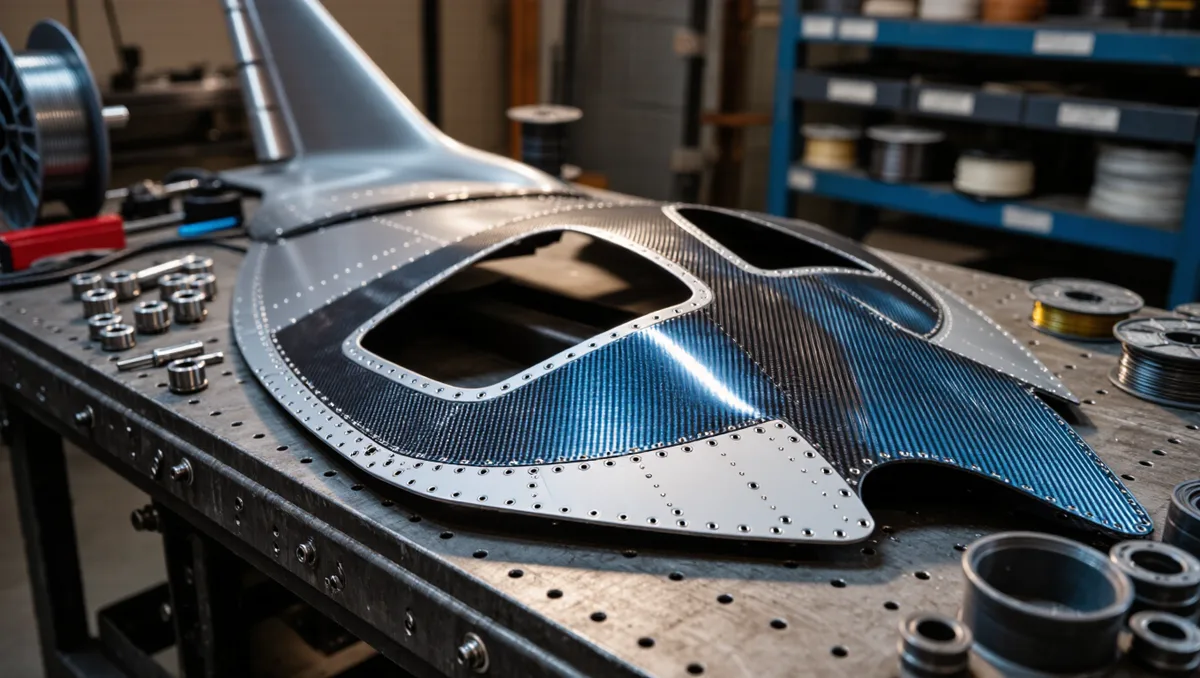
The company disclosed what it bought and why. It did not disclose what it paid. Here is how to evaluate the announcement from the documents that exist.

Why the gap between batteries and jet fuel, not certification paperwork, sets the pace for electric flight.
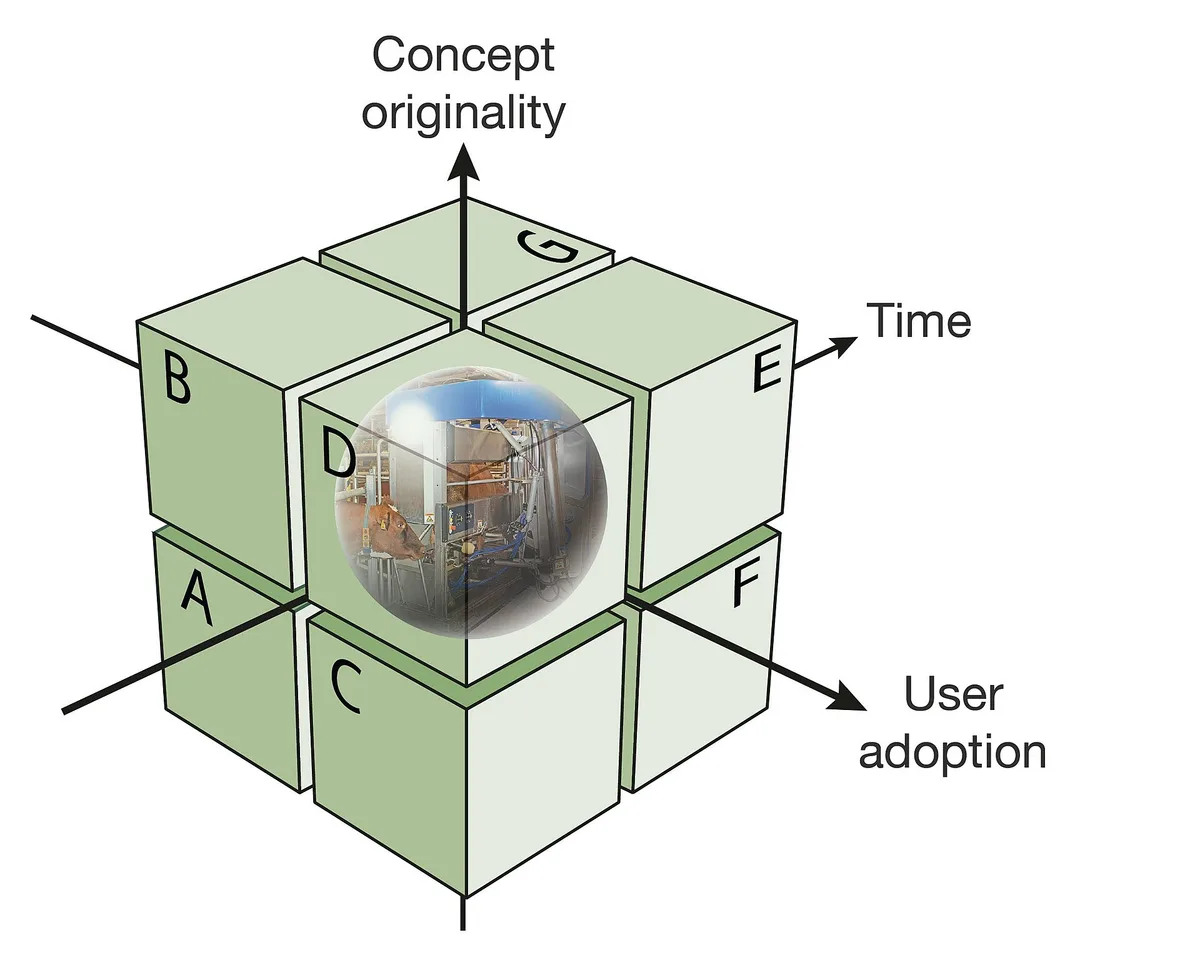
Invention creates something new. Innovation makes it matter. The distinction explains why the Pentagon funds so many prototypes and fields so few.

A prototype that works in a lab is not a program of record. The gap between the two — and how technology transition defense efforts try to cross it — shapes which ideas reach troops.
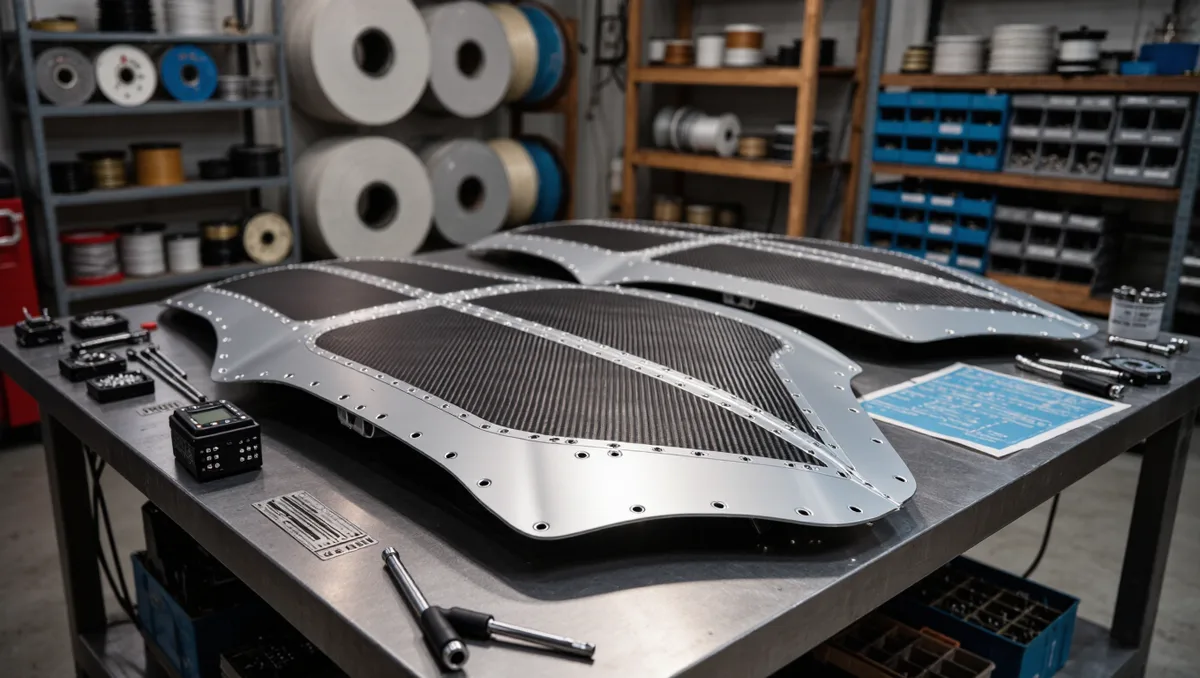
Deterrence works on beliefs, not hardware. The threat only deters if the adversary believes it will be carried out — which is why credibility, not force counts, does the heavy lifting.

A diversified procurement model is real. Whether it amounts to genuine defense-industrial self-reliance is a harder question.