Topic
Security Clearances Explained: Levels, Delays, and Denial Rules
US clearances run on three levels, Confidential to Top Secret, granted after a thorough background check, with need to know acting as the second lock on every secret.
US clearances run on three levels, Confidential to Top Secret, granted after a thorough background check, with need to know acting as the second lock on every secret.

Defense budgets pass through two separate doors: authorization and appropriation. Here is how the cycle works and where programs stall.

Inside MIL-STD-810 environmental testing, and why proving a device survives heat, cold, vibration, and sand demands deliberate, repeatable lab work.
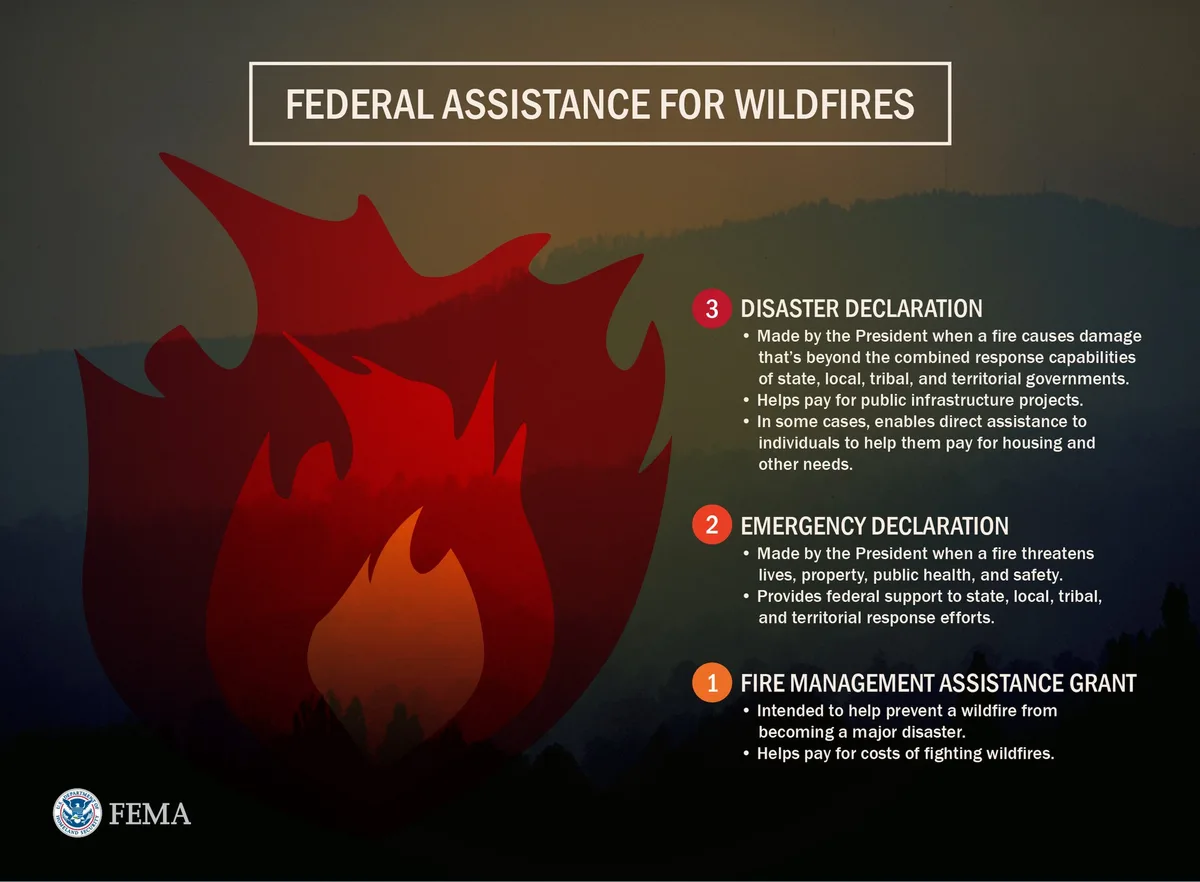
The Stafford Act sets the triggers, the paperwork, and the money. Here is what a declaration does — and does not — unlock.

Hearings, testimony, and reports are the levers Congress uses to hold defense programs accountable. Here is how each one moves money and programs.

A new paper argues the defense establishment has traded hard strategic choices for a promise of permanent technological change.
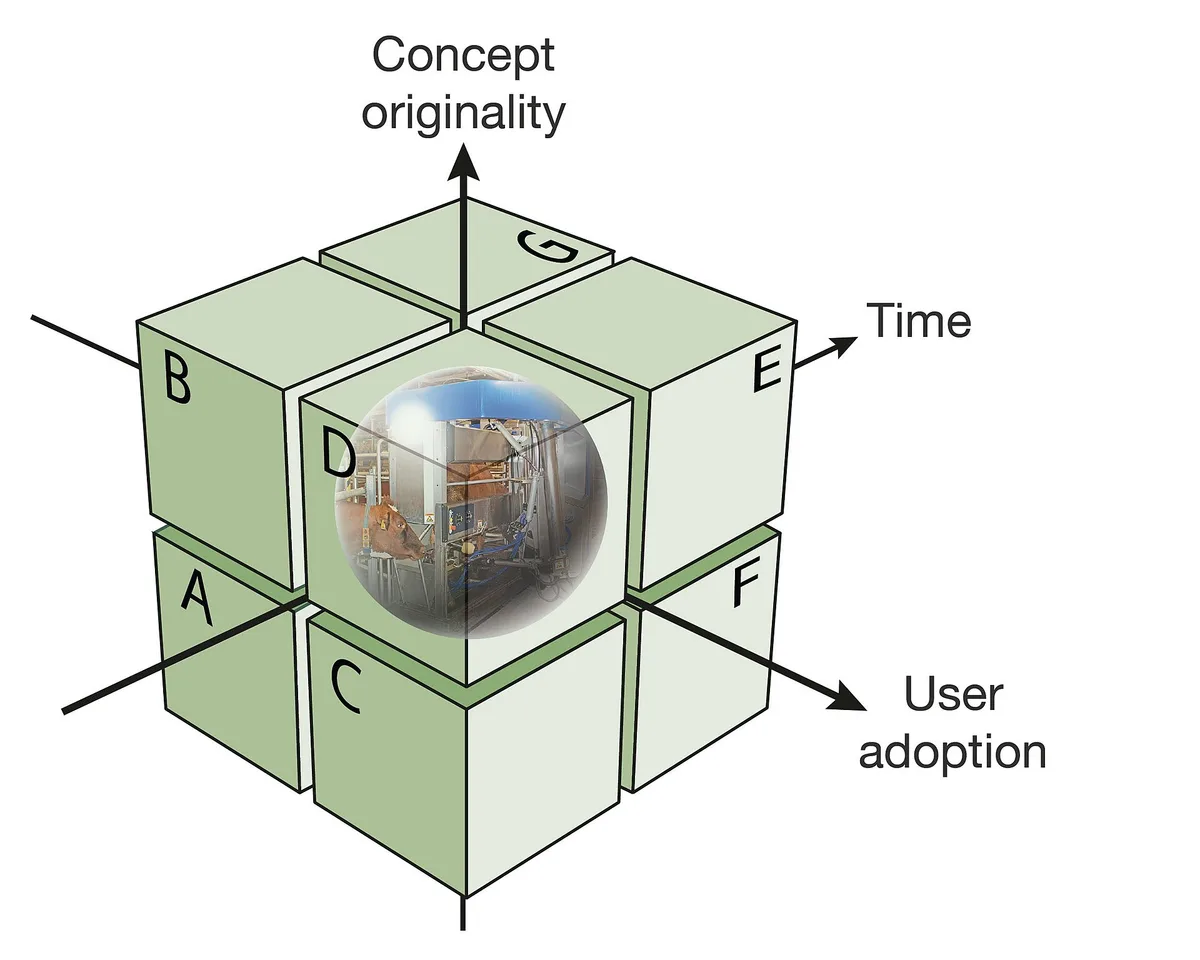
Invention creates something new. Innovation makes it matter. The distinction explains why the Pentagon funds so many prototypes and fields so few.