Topic
Security Clearances Explained: Levels, Delays, and Denial Rules
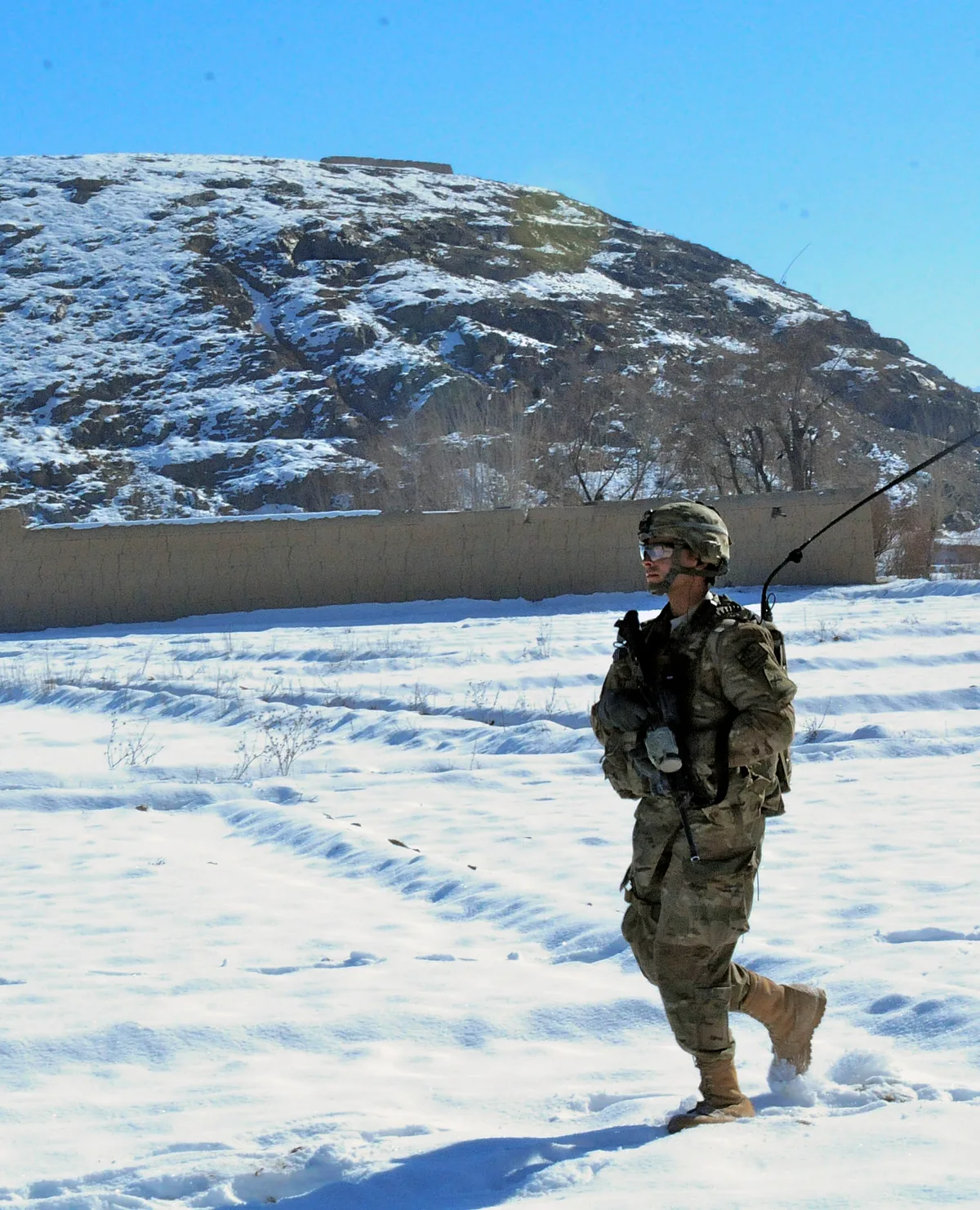
US clearances run on three levels, Confidential to Top Secret, granted after a thorough background check, with need to know acting as the second lock on every secret.
US clearances run on three levels, Confidential to Top Secret, granted after a thorough background check, with need to know acting as the second lock on every secret.
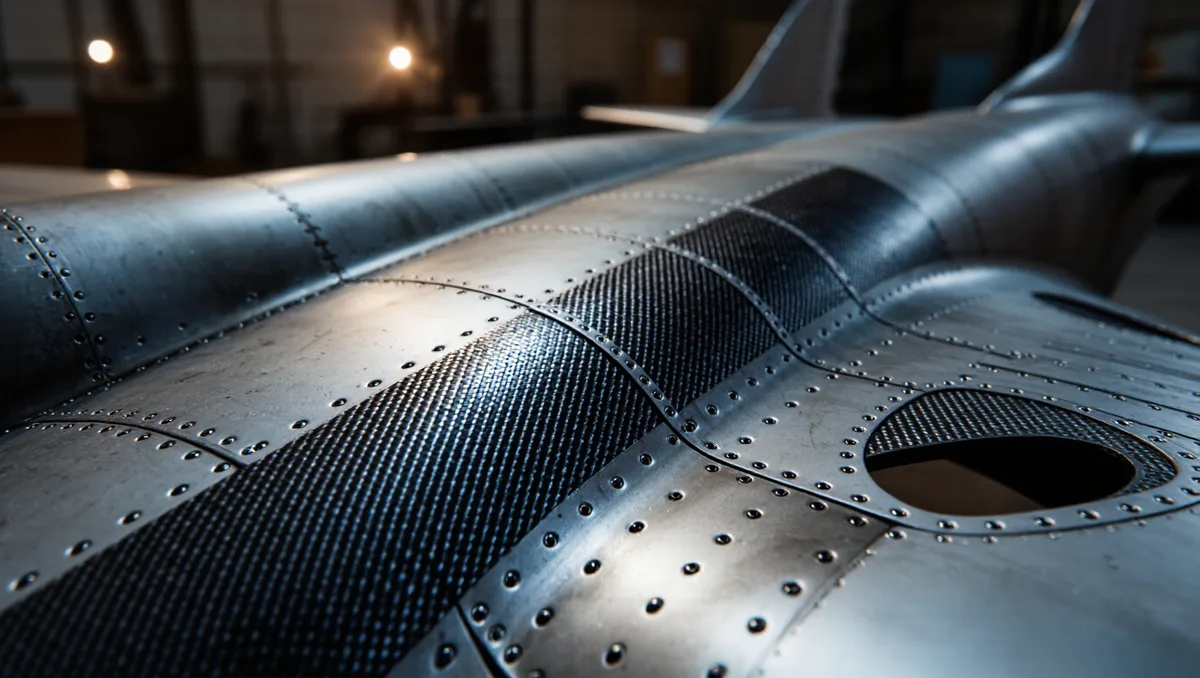
Defense budgets pass through two separate doors: authorization and appropriation. Here is how the cycle works and where programs stall.
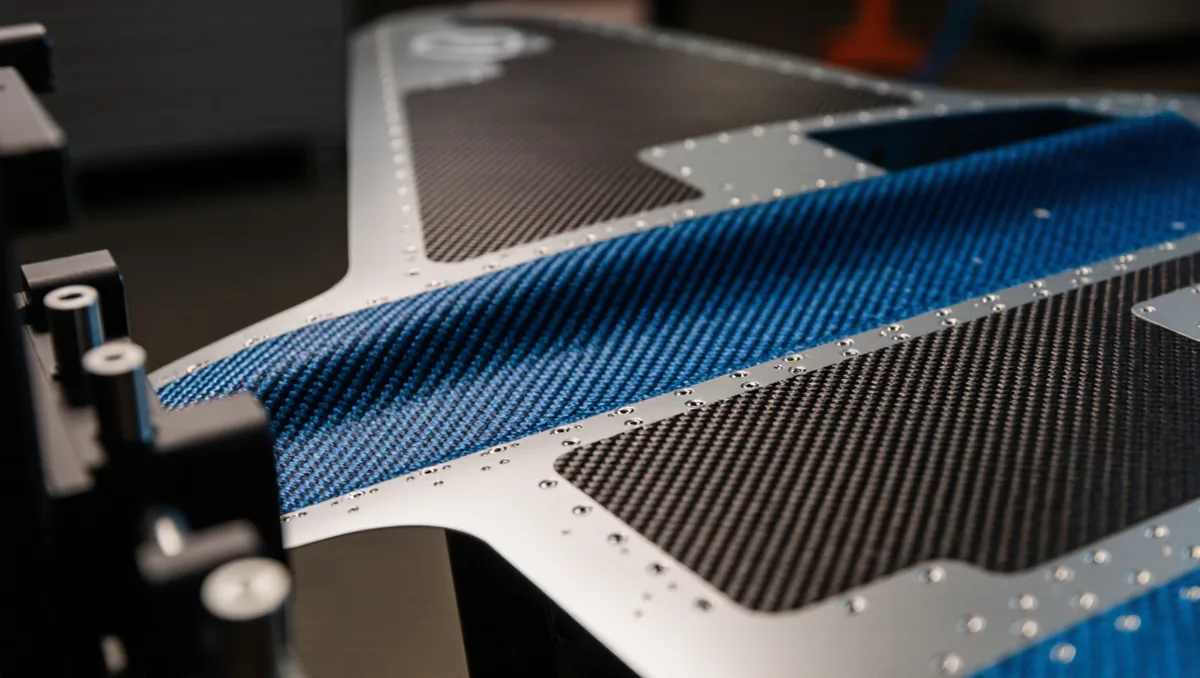
From drone boats to autonomous submarines, how unmanned surface and underwater vessels work, what they do, and where maritime rules are heading.
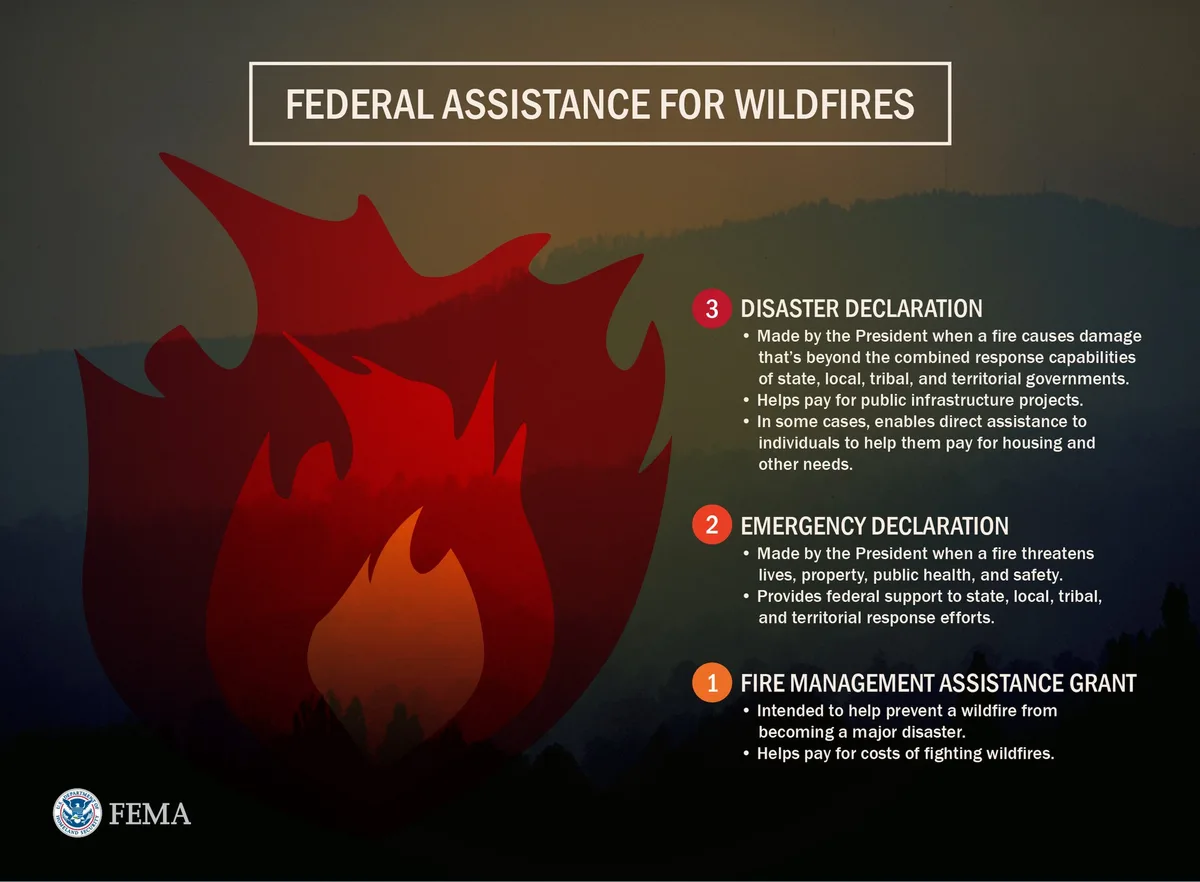
The Stafford Act sets the triggers, the paperwork, and the money. Here is what a declaration does — and does not — unlock.
Hearings, testimony, and reports are the levers Congress uses to hold defense programs accountable. Here is how each one moves money and programs.
Warship construction is a years-long industrial sequence, and each stage shapes the delivery date as much as any contract.
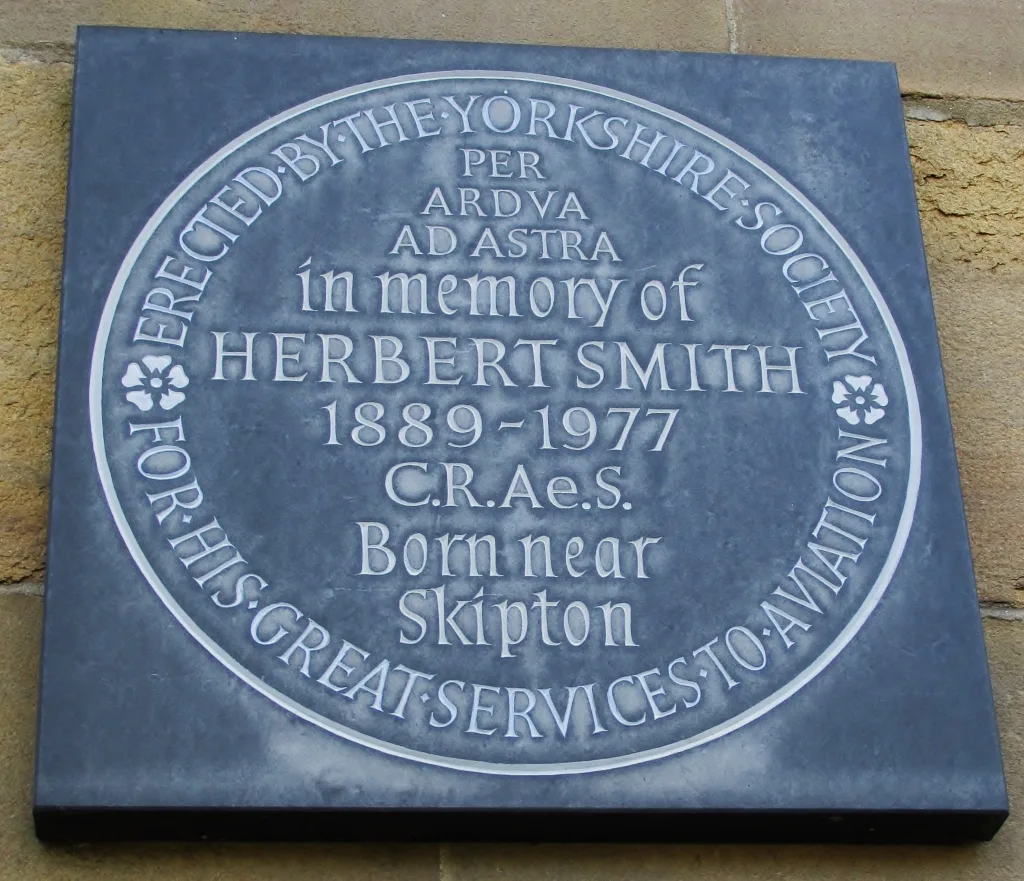
The recipe behind rural aviation clusters is unglamorous: a usable runway, one anchor employer, and a training pipeline that keeps both fed.
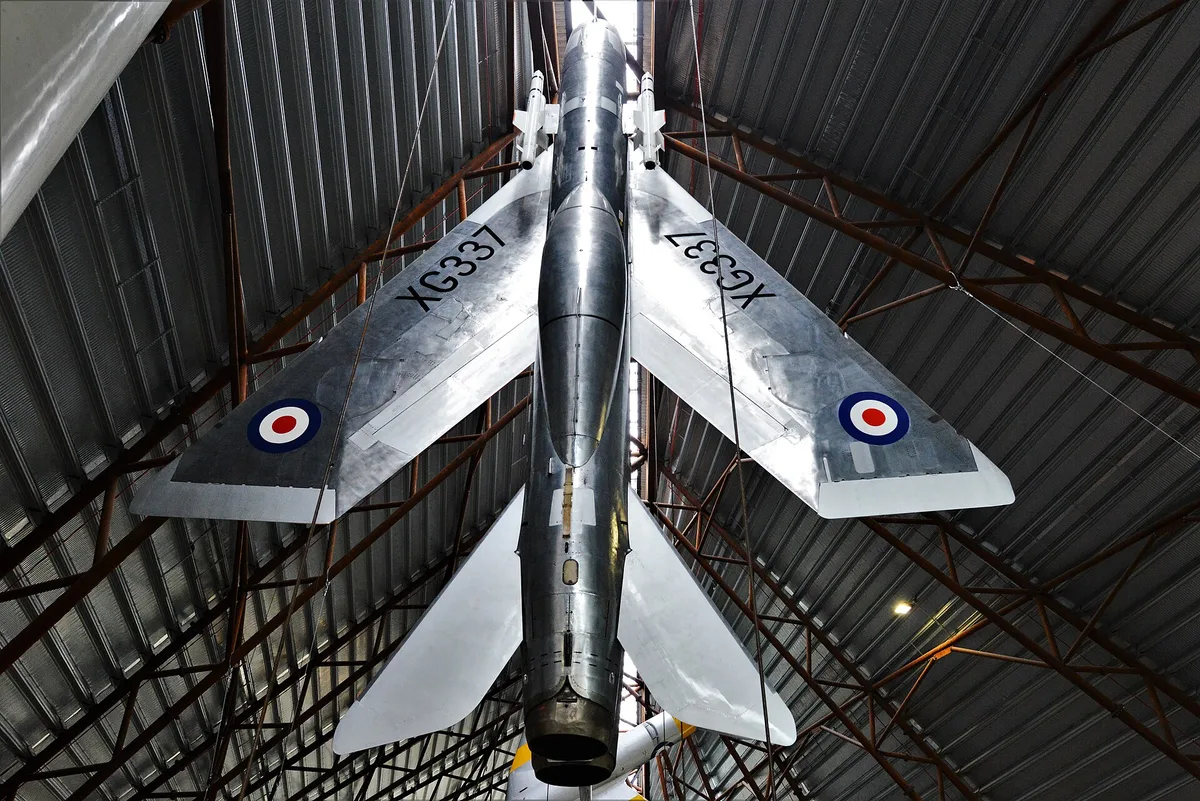
Why the gap between batteries and jet fuel, not certification paperwork, sets the pace for electric flight.
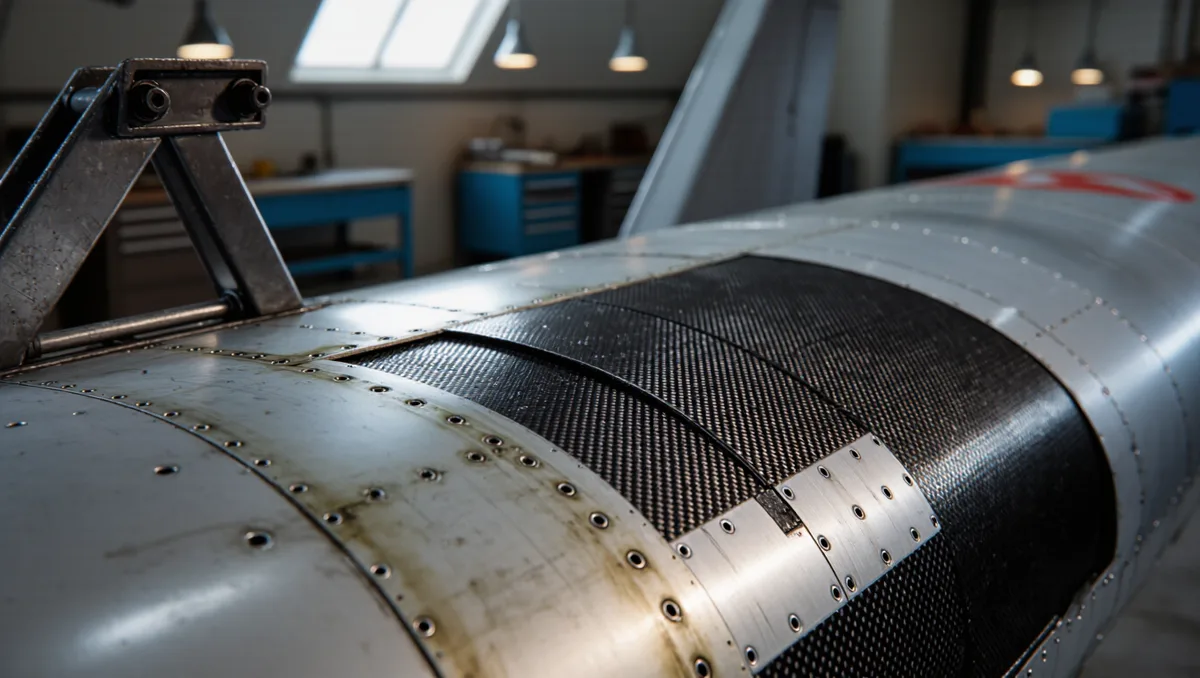
A prototype that works in a lab is not a program of record. The gap between the two — and how technology transition defense efforts try to cross it — shapes which ideas reach troops.
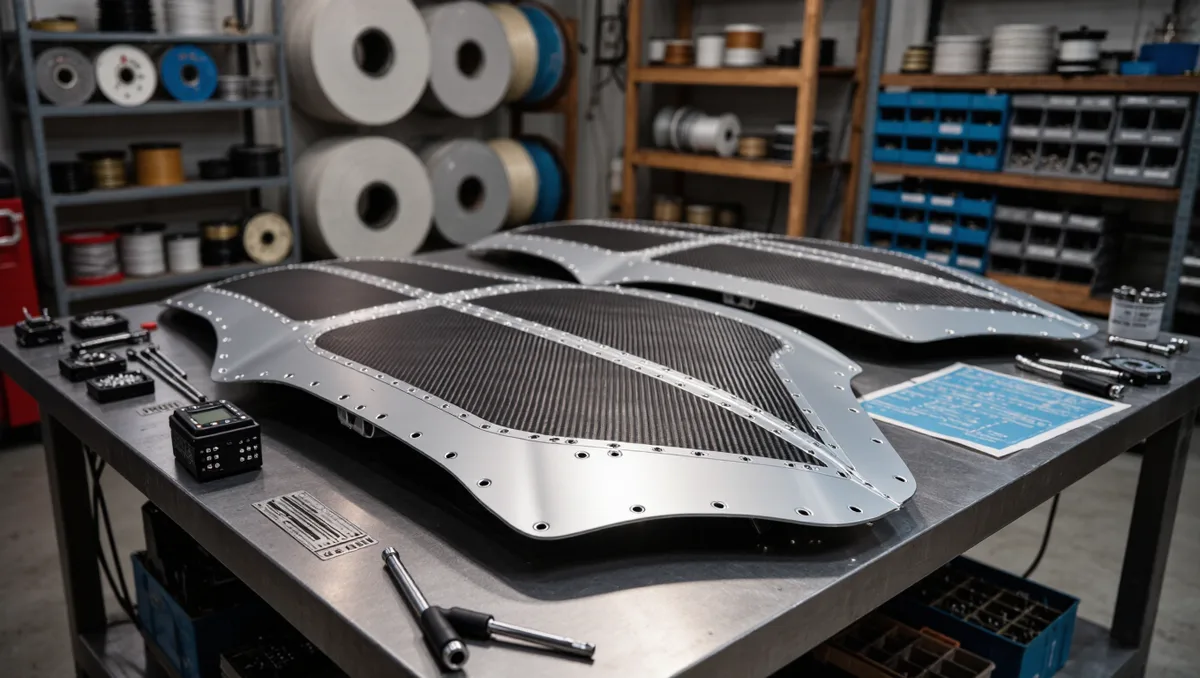
Deterrence works on beliefs, not hardware. The threat only deters if the adversary believes it will be carried out — which is why credibility, not force counts, does the heavy lifting.