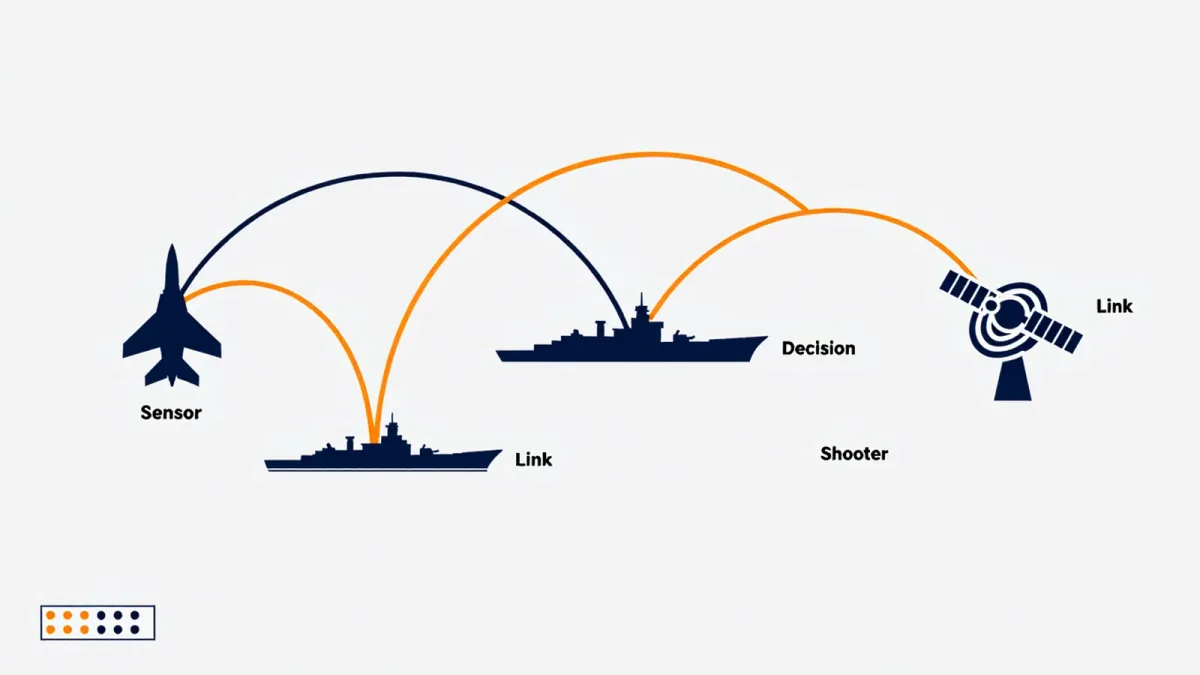
JADC2 and the Data Link Problem: Link 16, MADL and the Interoperability Gap
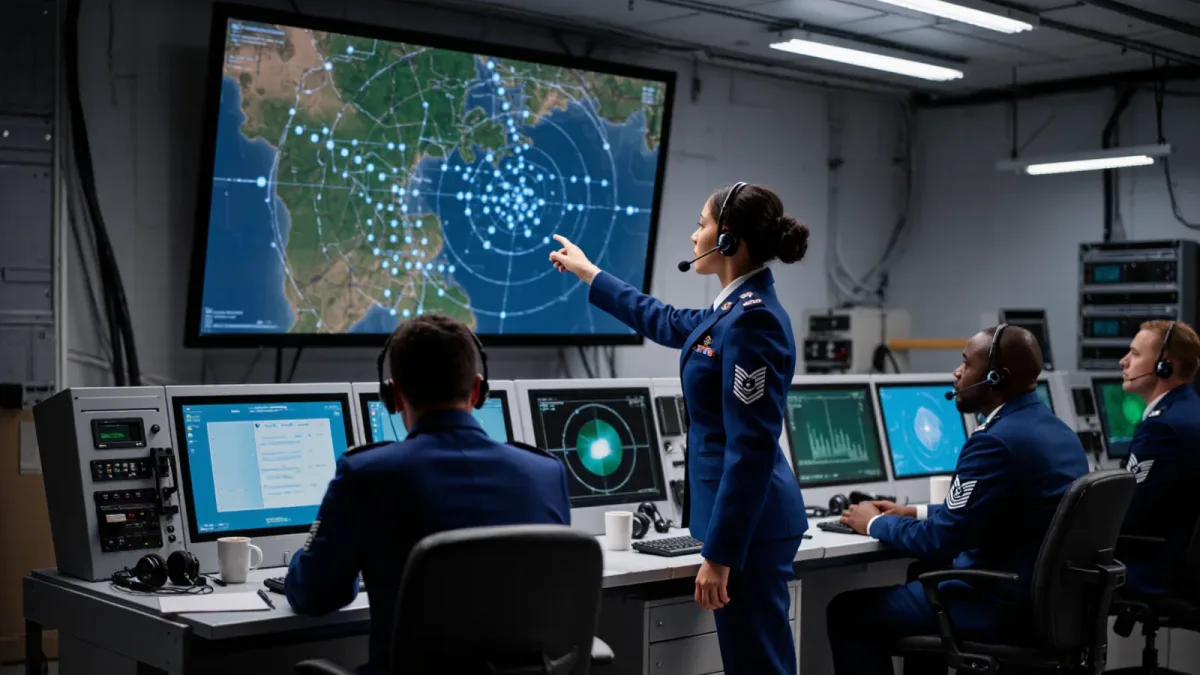
CJADC2 aims to connect every sensor to every shooter; legacy data links like Link 16 and MADL were never designed to talk to each other.
Innovation follows defense research before it becomes procurement: laboratory programs, autonomy trials, directed-energy demonstrators and materials work. Each entry states the technology readiness level, the funding line and the physical limits involved. Useful for researchers, program staff and investors judging which prototypes have a realistic path to fielding.
Research programs, autonomy trials and directed-energy prototypes assessed on physics and funding, including those quietly canceled between budget cycles.
CJADC2 aims to connect every sensor to every shooter; legacy data links like Link 16 and MADL were never designed to talk to each other.

HELIOS put a 60-kilowatt laser on a Navy destroyer; defeating drones and cruise missiles on tactical timelines takes three hundred.
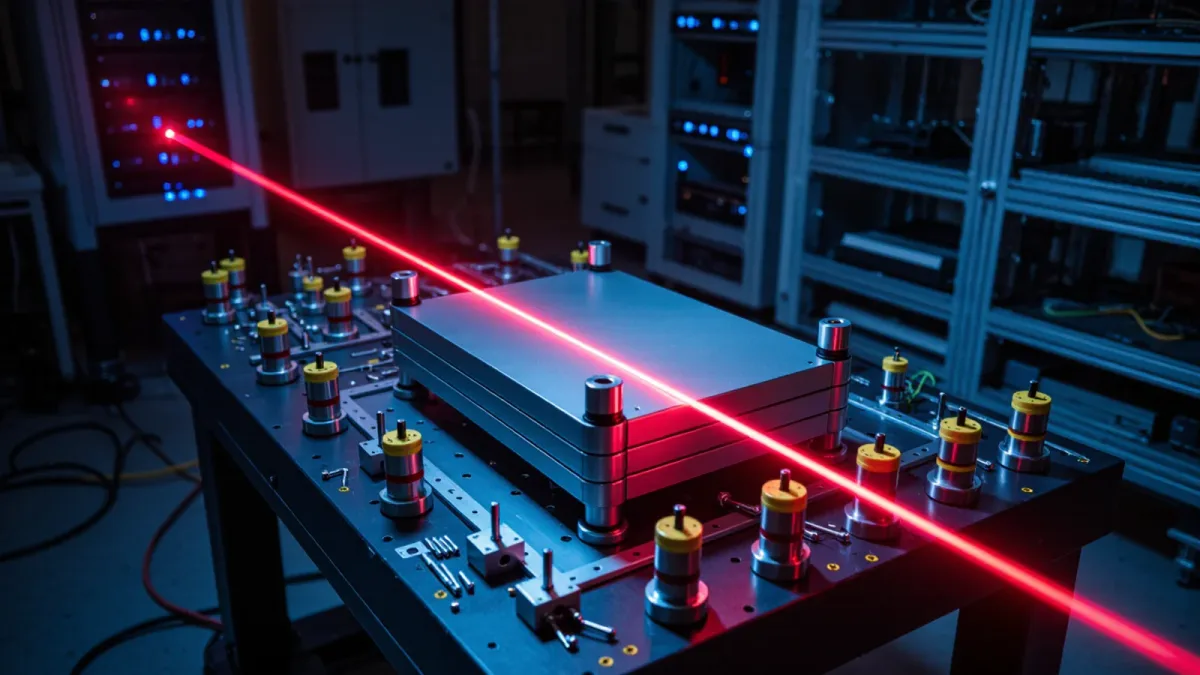
Jamming has made GPS-denied navigation a procurement priority; inertial drift, quantum sensing and M-code define the current solution stack.
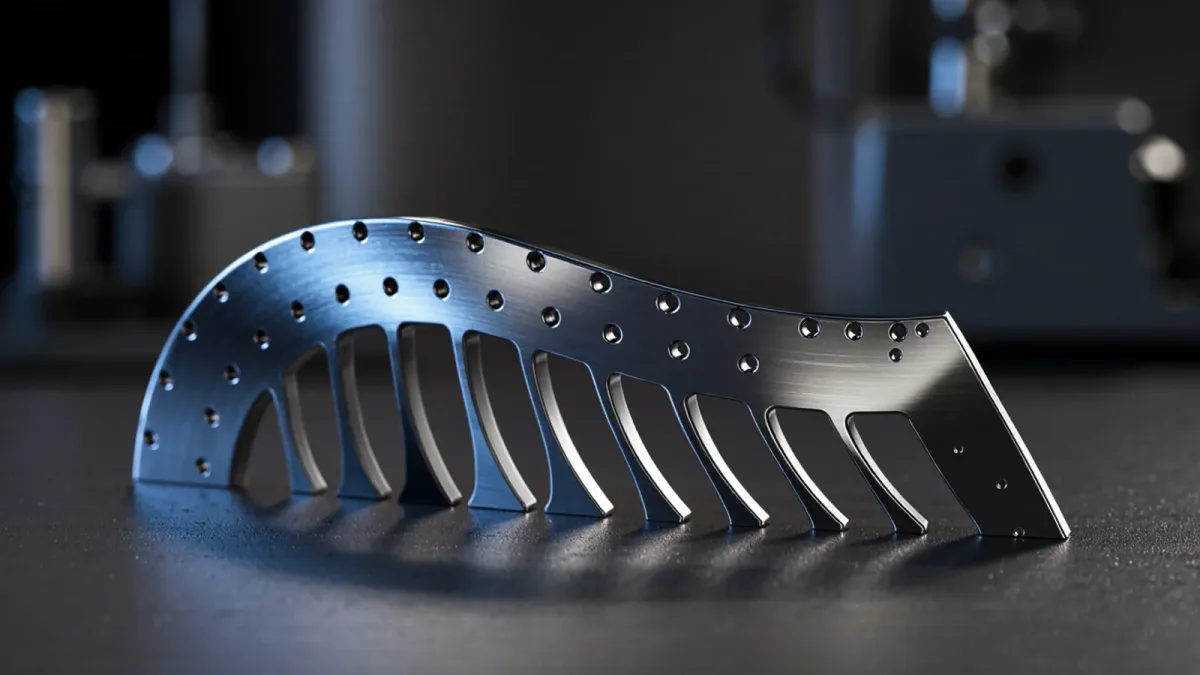
The T-7A and F-35 show digital twins cutting development rework and predicting maintenance, where the payoff is real and where it is not.
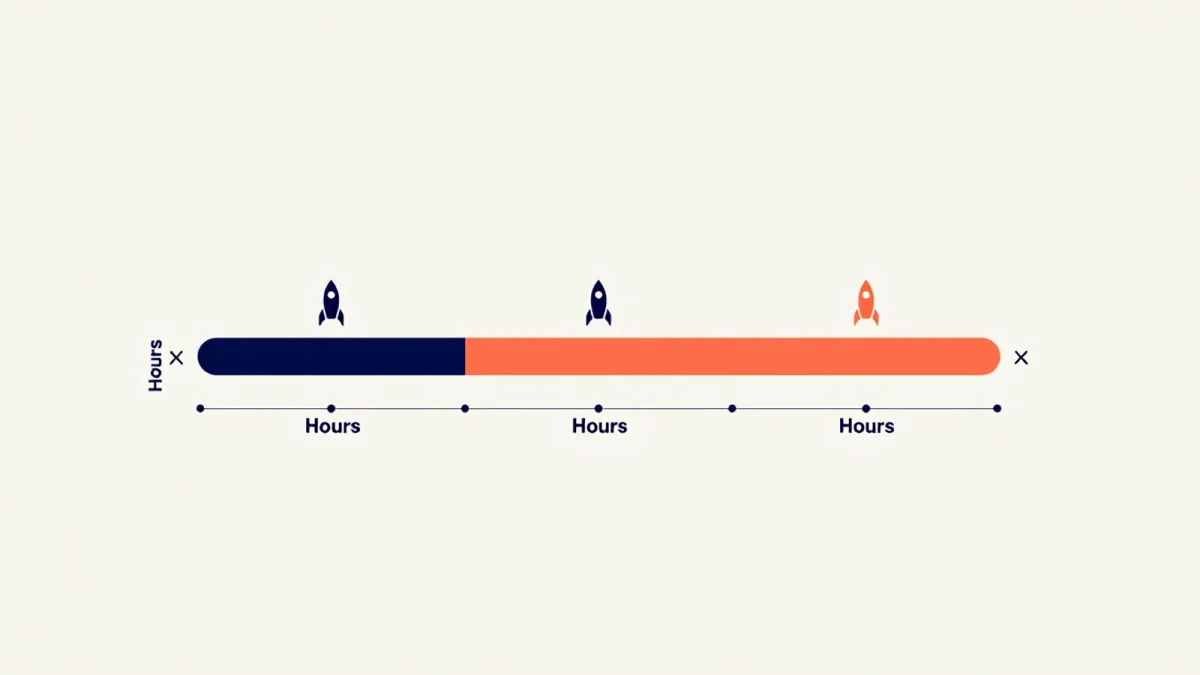
Two 2023 exercises cut call-up-to-orbit time to roughly a day, turning launch responsiveness into Space Force doctrine.
Detection, electronic warfare, and kinetic intercepts stack into tiers; L-MADIS and THOR show how each layer performs in practice.