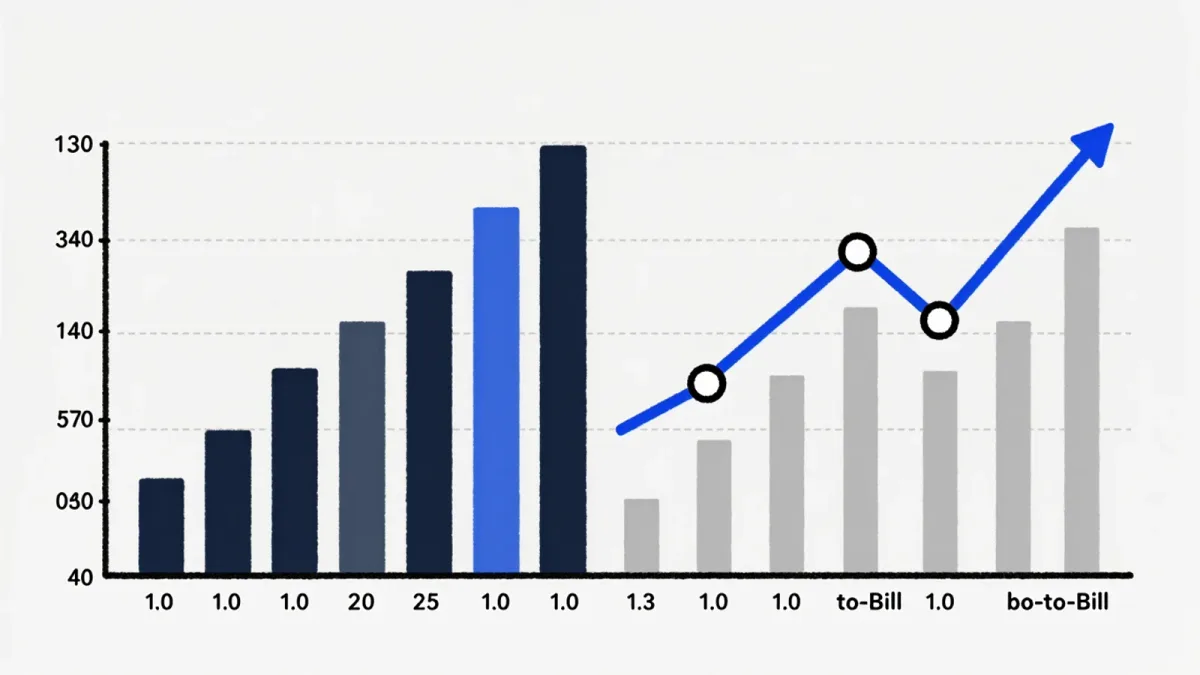
Book-to-Bill and Backlog: Reading a Defense Company's Real Health
Revenue tells you what a contractor shipped last year; bookings and backlog tell you what it will ship for the next five — if you know which lines to trust.
The contractors behind military hardware: production rates, backlog, workforce, castings, chips and the bottlenecks that push delivery dates to the right.
Revenue tells you what a contractor shipped last year; bookings and backlog tell you what it will ship for the next five — if you know which lines to trust.

Acquisition gives defense startups scale and gives primes software speed — and per the deal record, what survives the first two years depends on how the buyer integrates.

Weapons systems run on chip generations commercial phones discarded years ago, and the policy machinery around trusted supply is catching up to that reality.
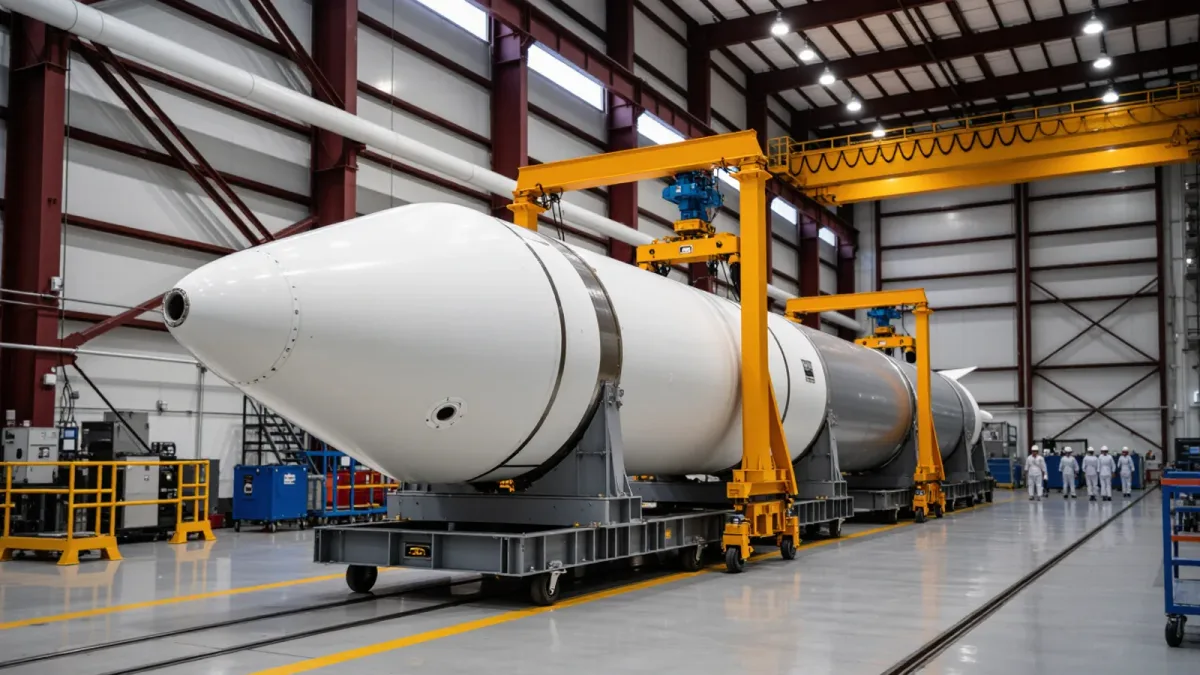
Nearly every American missile flies on a solid motor from one of two companies, and both are mid-expansion after decades of boom-bust demand.

Venture-backed firms moved from the edge of the defense market to multi-billion-dollar prime-contractor status in under a decade, changing how programs are won.

Artillery output fell to peacetime levels after 2000; since 2022 the Army has been buying the machines, plants, and workforce to rebuild it at scale.