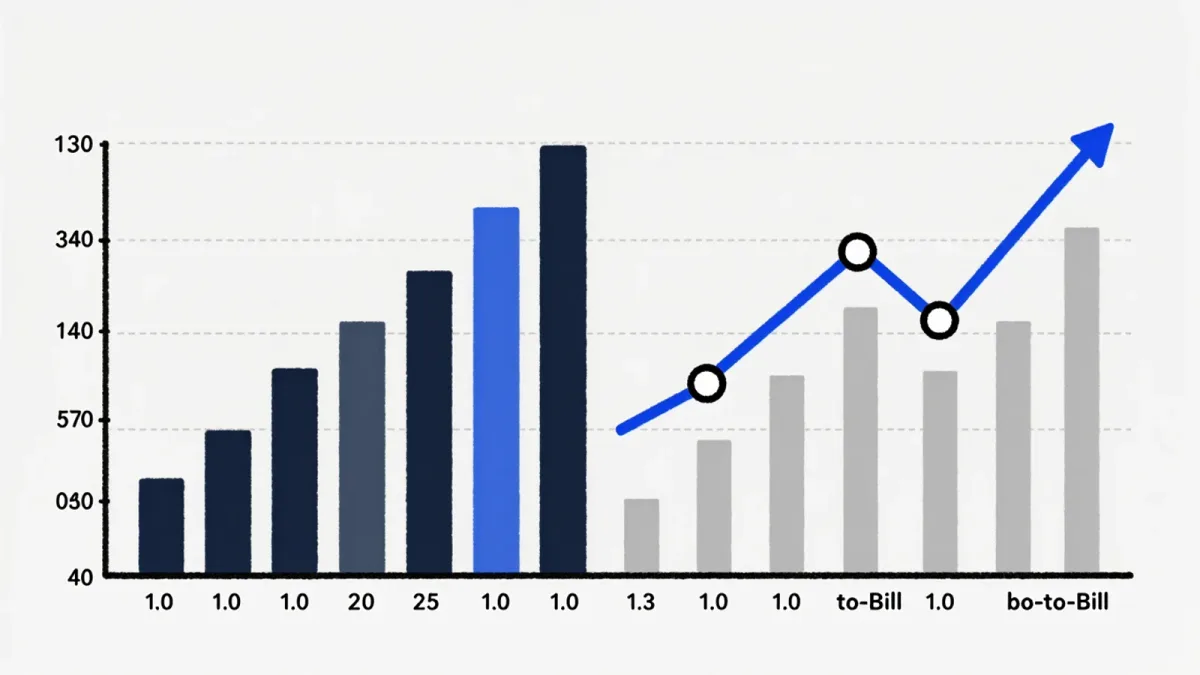
Between 2014 and the mid-2020s, venture funding into defense and dual-use technology grew from a rounding error into one of the industry's structural forces, and its products now hold contracts that were previously unreachable by firms without decades of past performance. Anduril, founded in 2017, reached a valuation in the tens of billions of dollars per its own funding announcements and positioned itself as a defense prime in all but legal name; Palantir, Shield AI, and a cohort of space and munitions startups followed similar trajectories. Per market analyses cited across the industry, annual venture investment into defense-adjacent technology rose from hundreds of millions of dollars early in the period to figures in the tens of billions by the 2020s — a migration of private risk capital into a sector that had spent two decades consolidating around five primes.
What changed to make defense investable?
Three doors opened in sequence. Software acquisition reform legitimized iterative, commercially styled development: per DoD's own policy documents, the Software Acquisition Pathway and its predecessors let buyers sign contracts that looked like venture development cycles rather than decade-long specification exercises. Prototype authorities — notably other transaction agreements — gave the government a flexible contracting instrument outside the Federal Acquisition Regulation, and per DoD obligations data, tens of billions of dollars have moved through OTAs since the mechanism was modernized in the mid-2010s. And the customer changed: DIU, founded in 2015 to bridge Silicon Valley and the Pentagon, plus service-level organizations such as AFWERX created on-ramps with far lower entry costs than a classic program office. None of these reforms named venture capital as the beneficiary, but per industry participation data at DIU and AFWERX events, startups became the primary users of each.
How does the venture model differ from the prime model?
The differences are in time constants and capital structure, not rhetoric. A prime develops against multi-year specification contracts with government-verified milestones; a venture-backed firm develops against investor-funded iterations, then seeks to convert products into programs of record — selling the same item repeatedly rather than engineering each instance. The capital base inverts too: primes fund development from program cash flow and customer advances, while venture firms burn private capital ahead of revenue, betting that a product once qualified will scale. Per company statements across the sector, the pitch to program offices is speed — field in months, update continuously — and the record on that claim is now measurable in fielded counter-drone systems, autonomous aircraft, and command software rather than argued in slideware. What the model cannot shortcut is qualification physics: per the same companies' disclosures, hardware programs still pass through the military's safety and suitability processes, and those timelines remain government-owned.
Where has the model actually won — and where has it stalled?
The wins concentrate in software-defined product categories. Per contract announcements through the mid-2020s, venture-born firms hold fielded programs in counter-small-drone systems, loitering munitions, autonomous aircraft, and command-and-control software — categories where the requirement was urgent, the incumbent offerings were thin, and the acquisition pathway was flexible. The stalls appear where the classic barriers hold: per the same public record, attempts to enter nuclear shipbuilding, fighter-class aircraft development, or large missile programs from scratch have not materialized, because qualification cost, security infrastructure, and decade-long development cycles exceed what venture capital can carry. The mid-case is instructive — per GAO and DoD test data published in the 2020s, prototype-to-program conversion remains the sector's chokepoint, with successful firms spending years converting promising demonstrations into funded programs of record.
How are the primes responding?
Both by acquisition and imitation. Primes have bought venture-backed firms to import software capabilities, and per acquisition announcements across 2020-2025, such deals now recur annually. Imitation is visible in corporate structure: primes created their own venture arms — per corporate announcements, Lockheed Martin Ventures, RTX Ventures, Boeing's HorizonX legacy, and peers — investing as limited partners and direct investors in the same startups they might later buy or integrate. The competitive response on the program side is partnership: per contract announcements, venture firms increasingly appear as teammates on prime-led bids, formalizing a division of labor in which startups supply the software-defined layer while primes carry the integration and sustainment franchises. Whether that equilibrium holds is the structural question of the decade — per the startups' own public positioning, several intend to displace rather than join the incumbents.
What are the risks investors have discovered?
The sector priced some risks accurately and others poorly. Program conversion risk — the gap between a successful prototype and a program of record — proved the central one, and per the public record of failed conversions, dozens of well-funded prototypes died between demonstration and procurement. Customer-concentration risk is structural: the US government is the dominant buyer, and per election-cycle budget swings documented across decades, demand can shift with an administration. Valuation risk arrived with the sector's success — per market reporting through 2024-2025, defense-tech valuations detached from revenue multiples typical of government contracting, and several firms took down-rounds or delayed listings when public markets repriced. What has held: per follow-on funding announcements across the cohort, capital availability persisted through the period, because the underlying demand signal — rearmament budgets in Washington and Europe — kept drawing new funds into the category.
What should program watchers take from the venture era?
How does the money's geography shape the market?
Capital flows have their own map, and it differs from the primes'. Per funding analyses of the sector, defense-tech venture activity concentrates in coastal corridors — Southern California, the Bay Area, the Washington-Baltimore axis, Boston — with Southern California's resurgence the notable story: the autonomy and space cohort rebuilt a cluster the consolidation decades had emptied. Europe entered the flows in parallel: per European announcements through 2024-2025, dedicated defense funds and the rearmament budgets drew a startup cohort with NATO-market ambitions, and cross-border partnerships between US and European defense startups appeared in contract announcements. The geography matters operationally because clearance and facility requirements anchor hardware teams near programs while software teams scale remotely — per the hiring patterns visible in company disclosures, the mixed footprint is now standard. For limited partners, per fund-raising documents across the cohort, the category moved from opportunistic to dedicated: defense-specific funds with nine- and ten-figure mandates became normal, institutionalizing a capital channel that did not exist in 2014.
What separates the winners converting prototypes into programs?
The conversion record now has enough cases to show a pattern, and per the public program history through the mid-2020s, three behaviors recur among firms that crossed from prototype to production. They picked categories where the government had standing demand and thin incumbency — counter-drone, autonomy, command software — rather than trying to displace established platforms. They priced early contracts to enter, accepting thin prototype economics to accumulate fielded performance that source selections score. And they built the compliance spine early — security accreditations, export-control discipline, quality systems — because per conversion case after case, the months between demonstration and program decision are spent on paperwork the venture model habitually defers. The firms that stalled, per the same record, typically ran the sequence in reverse: strong technology, late compliance, and a business model that needed conversion before the capital ran out. Per the funding environment's own commentary, investors now screen for the compliance spine as a diligence item — a structural lesson the sector learned expensively.
Two durable shifts stand out from the record. First, entry costs are permanently lower: a firm can now reach fielded status in five years through the pathway infrastructure that took primes' predecessors decades, per the contract histories of the 2020s cohort. Second, the boundary between ”defense” and ”technology” procurement has blurred in practice — software is bought like software, hardware like hardware, and per the National Defense Industrial Strategy's own language, the department now manages a portfolio deliberately weighted toward commercial-style suppliers in some categories and classic primes in others. The primes retain the franchise businesses; the venture cohort owns the newest categories; and per the funding flows of recent years, the money is betting that category creation, not franchise capture, is where the next decade's balance sheets are built.