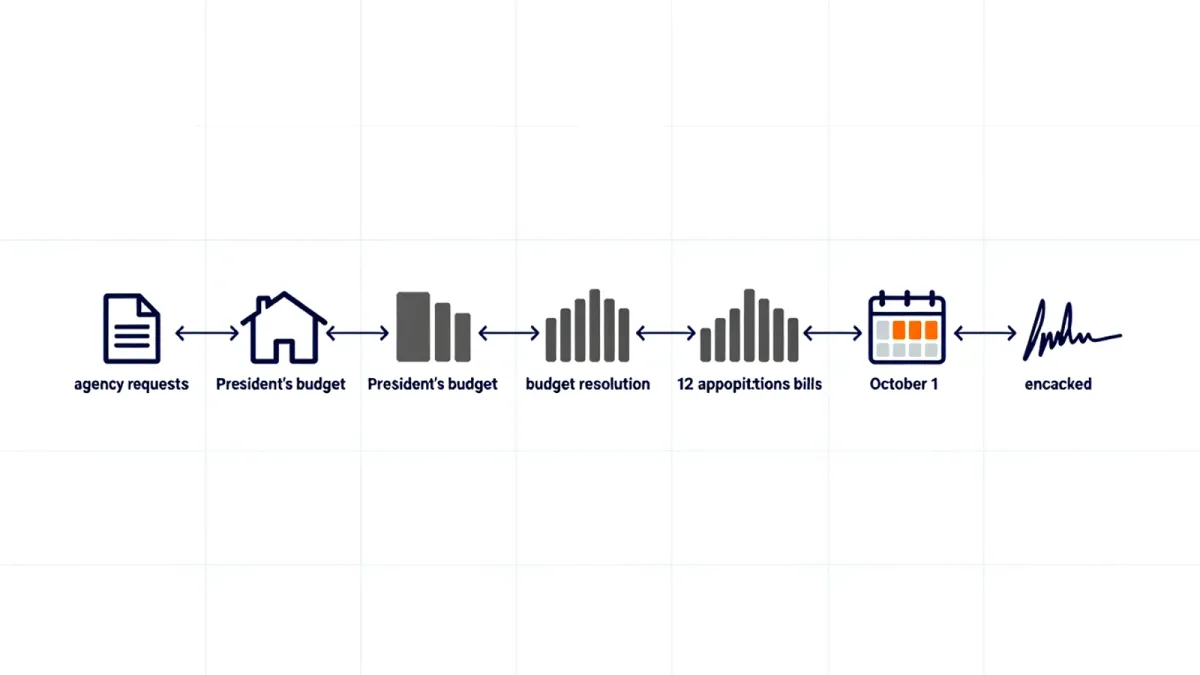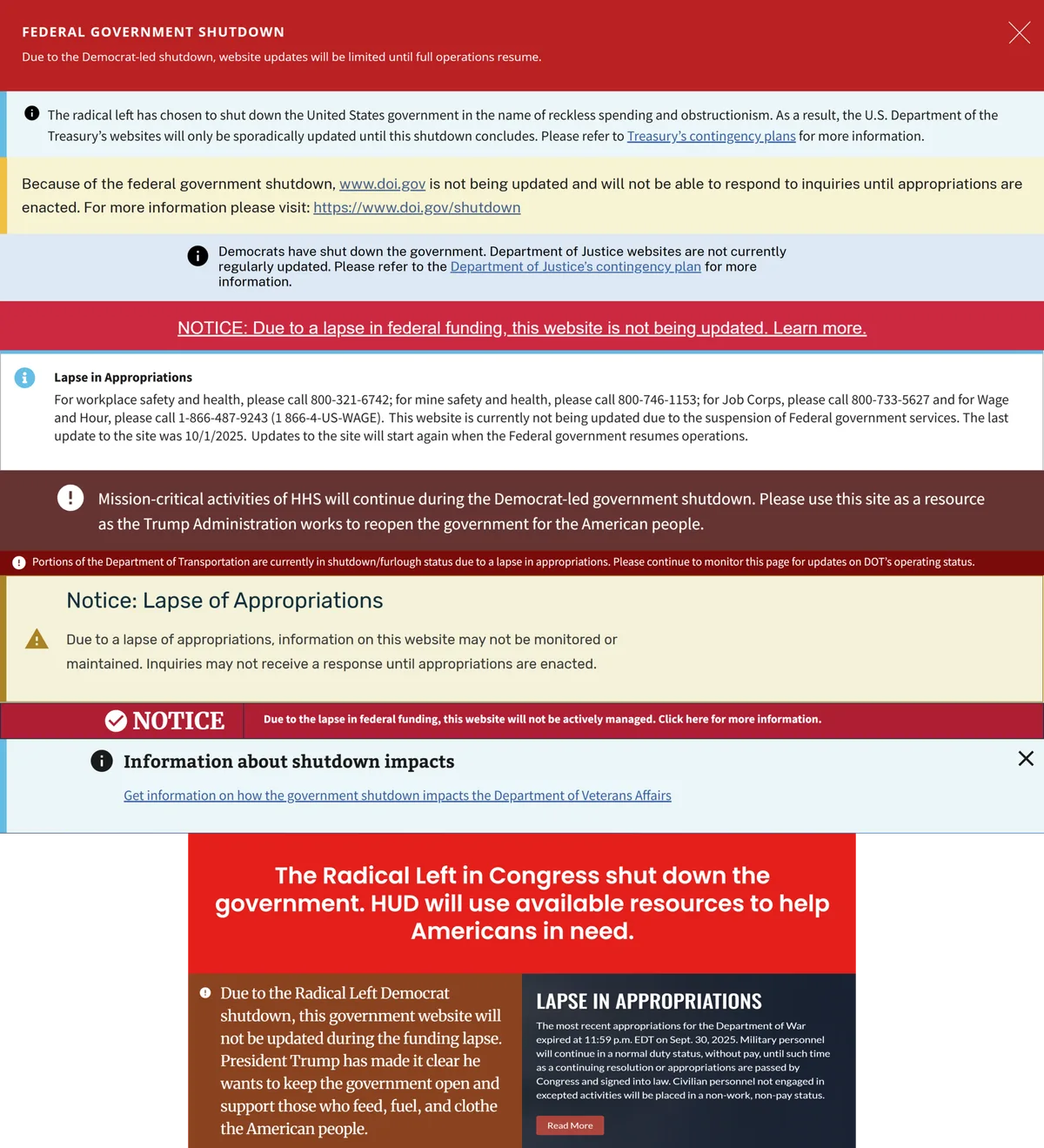
The Pentagon is once again approaching a continuing resolution deadline, with funding for the Department of Defense set to expire on January 30, 2026 unless Congress completes full appropriations work. The current CR was enacted on November 12, 2025, following the autumn shutdown, and per DoD practice it freezes new program starts and prohibits rate increases while holding spending at prior-year levels.
How did the Pentagon get here?
Fiscal year 2026 began on October 1, 2025 without enacted appropriations, producing a government shutdown that ended only when Congress passed the CR in mid-November. That measure bought time rather than resolving the annual funding question. Per the Defense Department's long-standing practice under stopgap bills, the department cannot initiate new starts, cannot increase production rates on existing programs, and must manage cash flow against an authorization topline that never received matching appropriations. The practical effect is that contractors and program offices have spent months planning against a funding floor rather than a budget.
Why continuing resolutions have become routine
Per the Congressional Research Service, reliance on long-duration CRs has become the norm since fiscal year 2011, when full-year appropriations last passed on time with any consistency. In the years since, the department has routinely begun fiscal years under stopgap funding, sometimes for half the year or more. Defense officials from both parties have argued that this pattern carries real costs: delayed contracts, disrupted hiring, and deferred decisions on multiyear procurement that suppliers cannot underwrite. CRS analyses have repeatedly cataloged these effects, noting that even short CRs compress the acquisition calendar for everything from shipbuilding to munitions production.
What a second deadline means for programs
The January 30 date matters because it lands mid-winter, well before the FY2027 budget request is due in the spring. Program executive offices that postponed contract awards in the autumn now face a compressed window: either the CR is extended again, full-year appropriations are enacted, or the department re-enters a lapse. New-start programs authorized in the FY2026 National Defense Authorization Act remain in limbo, since authorization creates programs but only appropriations can fund them, per CRS primers on the appropriations process. Weapons accounts with dated obligations — munitions replenishment, shipbuilding milestones, and border-adjacent mission funding — are the categories most exposed to a repeated freeze.
What happens next
Congress has three conventional paths: enact the remaining FY2026 appropriations bills, pass another short-term CR, or allow a lapse. Leadership calendars suggest the first option remains possible but tight, with the appropriations committees working from an agreement shaped during the November CR negotiations. Per CRS, the department can take limited reprogramming and transfer actions under a CR, but those authorities are narrow and require notification to Capitol Hill. Watchers should look for signs of a topline deal rather than another rolling extension, because each additional CR month pushes procurement delays further into the fiscal year.
The bigger picture
The January 30 deadline is a reminder that the budget process, not the threat environment, now sets the operating rhythm of the defense enterprise. Per CRS, nearly every fiscal year since 2011 has opened under a CR, and fiscal 2026 is on track to be one of the longest such stretches on record. For a department executing a major force-redesign effort, the difference between a one-month bridge and full-year funding is measured in deferred contracts and idle production lines — costs that do not appear in any topline figure but accumulate quietly across the industrial base.