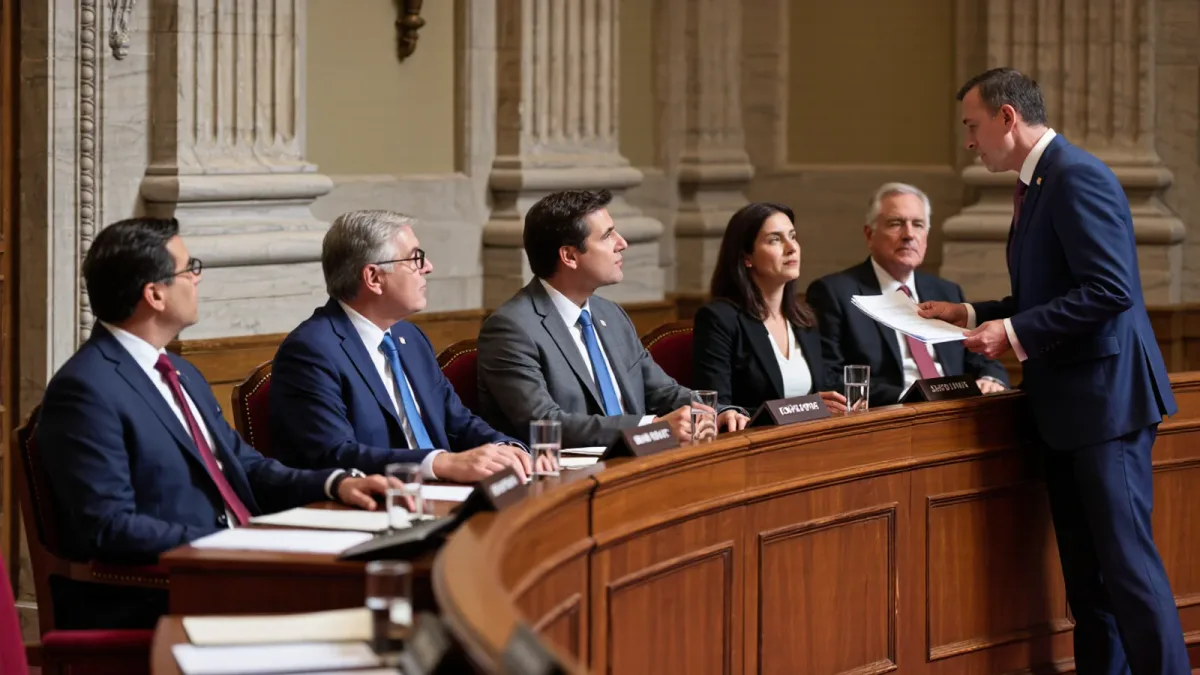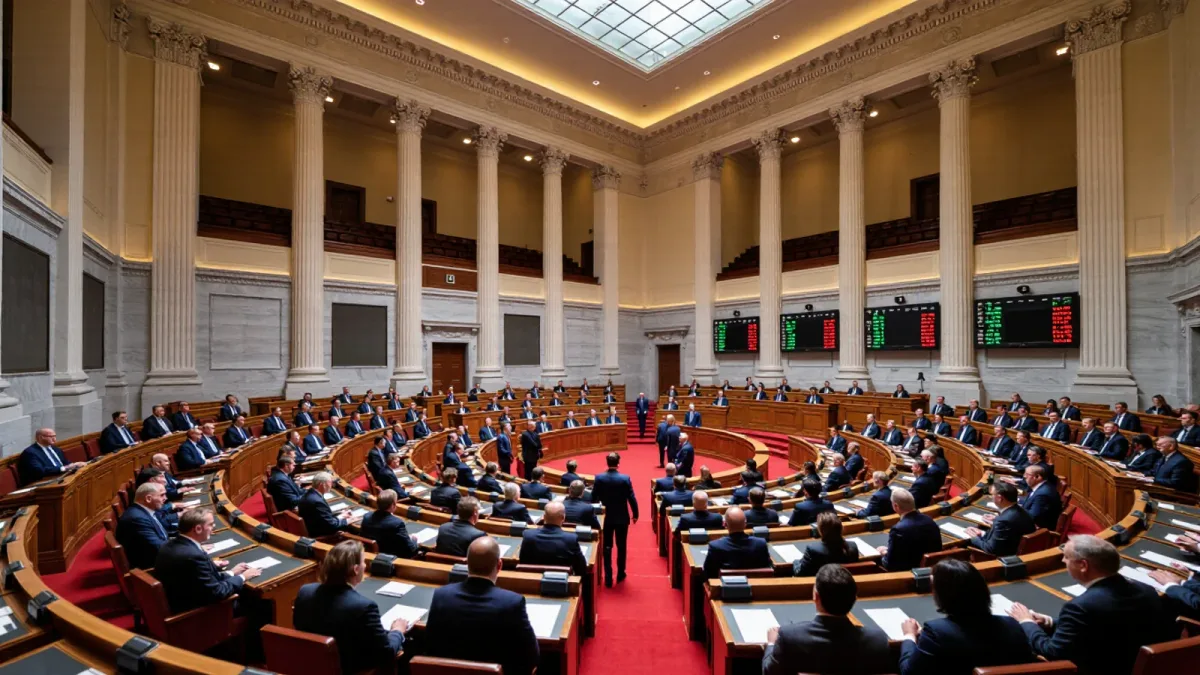
The House has begun floor consideration of the FY2027 National Defense Authorization Act, maintaining the July passage tradition that per the Congressional Research Service has made the bill Congress's most reliable annual product. The floor debate follows June markups in the House Armed Services Committee and sets up an autumn conference with the Senate version — the next step in a process that has produced an enacted defense authorization for more than 60 consecutive years.
Why the House moves in July
The July calendar is not accidental. Per CRS records, the House has passed the NDAA in mid-summer in nearly every recent Congress, a rhythm that gives the authorization committees first position in the defense debate and preserves time for conference negotiations before the year-end signing deadline. The must-pass reputation compounds the incentive: with more than six decades of uninterrupted enactment, no leader wants to preside over the first failure, and members treat the bill's passage as an institutional obligation that transcends the normal fate of annual legislation. The structure reliably assembles majorities that other defense bills cannot.
The amendment season
House floor debate is where the NDAA absorbs its broadest range of politics. Under the structured rule the bill typically receives, hundreds of amendments are filed and a selected set debated and voted on the floor. Per CRS descriptions of past cycles, floor amendments span policy riders, acquisition reforms, personnel provisions, and program-level interventions — restorations of cancelled systems, ceilings on divestitures, conditions on new starts. This year's docket adds distinctive fights: amendments addressing the $350 billion reconciliation tranche, oversight language for the doubled $85.8 billion missile defense and defeat account, and the Army's cancelled legacy programs, which district advocates have promised to revive on the floor if the committee did not.
What passage actually means
House passage is a milestone, not an endpoint. The Senate is producing its own FY2027 authorization with different priorities, and the two bills must be reconciled in conference — per CRS, typically in the autumn, where negotiators merge authorized toplines, program directions, and contested policy provisions. A House-passed provision creates negotiating leverage but no law; provisions that survive conference and land in the enacted bill are the ones that matter. Historically, conference strips or moderates a substantial share of floor amendments, particularly those that passed on narrow, partisan margins — meaning the July record overstates what will become policy in December.
The numbers in play
The bill moving through the House carries authorized ceilings built on the FY2027 request's $1.15 trillion base, with the committee's adjustments layered on top. The reconciliation-funded $350 billion sits outside the traditional authorization perimeter, and how the House bill treats it — reporting requirements, assurance clauses, or silence — will shape the conference fight and the appropriations season that follows. Watch also the authorized topline itself: authorizing committees historically add margin above the request, and the gap between the House ceiling and the Senate's emerging number will preview September's funding arguments, when the September 30 appropriations deadline forces the numbers into law.
What to watch
The signals to track are the margins and the amendments that survive. A comfortable bipartisan vote strengthens the House position in conference; a narrow partisan one weakens it. Per CRS, the provisions most likely to reach the enacted bill are those adopted with broad majorities and reflected in both chambers' versions. For industry and observers, the House floor record is the year's best public map of where the FY2027 authorization is heading — and of the fights that will resume, in another procedural form, when conferees convene after the summer recess.