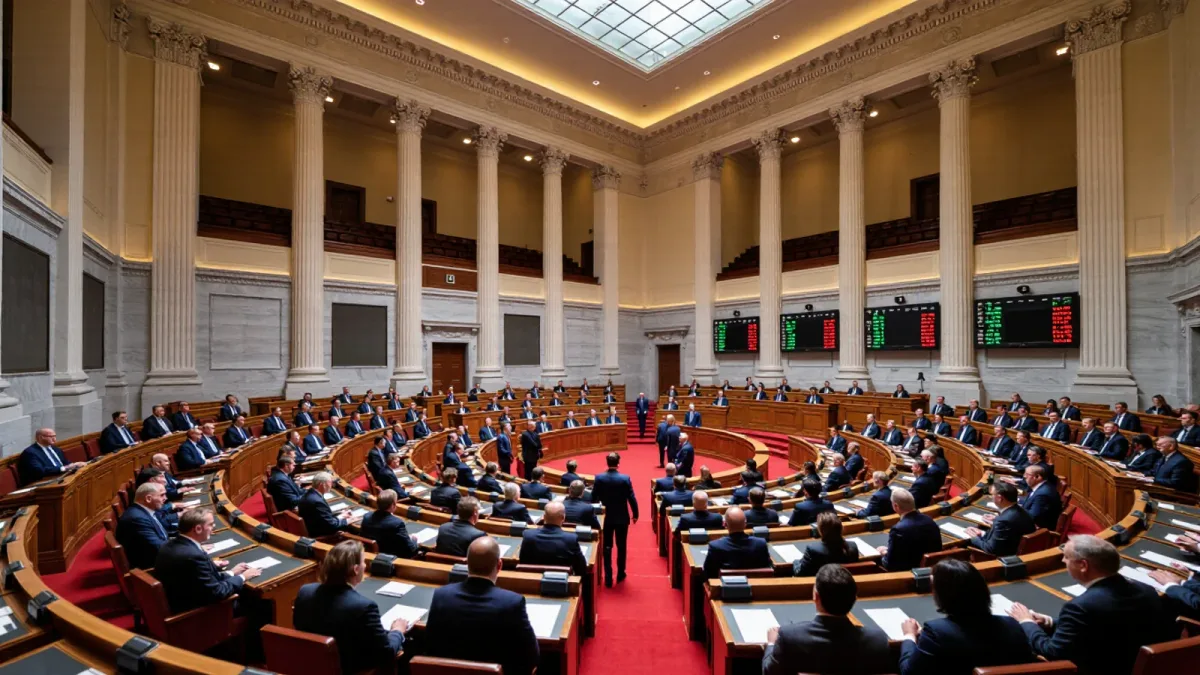
Defense committees on Capitol Hill have opened markup season, beginning the drafting of the FY2027 National Defense Authorization Act through a June sequence of subcommittee and full-committee sessions in the House Armed Services Committee. Per the Congressional Research Service, this calendar is the institution's norm: NDAA markups conclude in June, the House passes the bill in July, and the Senate follows before conference negotiations in the autumn — a schedule the authorization process has maintained through more than 60 consecutive years of enactment.
What markup season actually decides
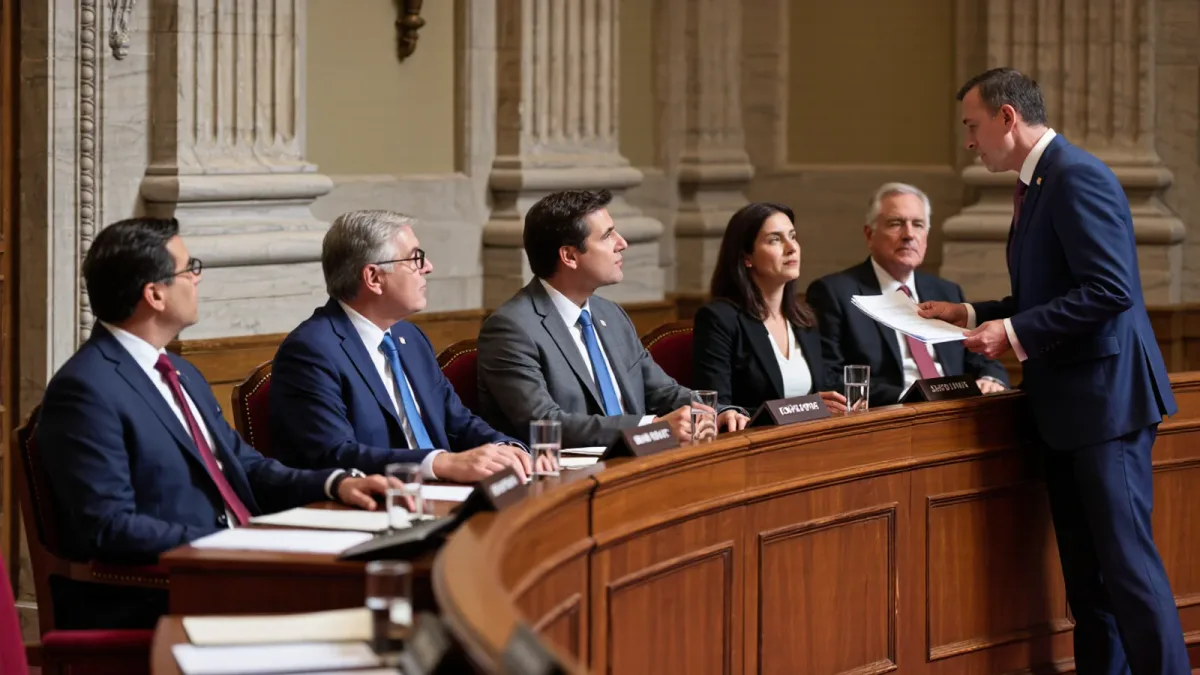
Markups are where the NDAA takes its shape. Subcommittee sessions produce the chairman's marks — the draft authorization language and funding ceilings for each portfolio — and members amend them line by line. Per CRS descriptions of the process, the full-committee markup that follows is the decisive gate: amendments adopted there typically survive to the floor, and provisions rejected there rarely return. The FY2027 markup arrives with an unusual quantity of contested material: a $1.15 trillion base request, a separate $350 billion reconciliation tranche whose oversight treatment is unresolved, a doubled missile defense and defeat account, and an Army request built on cancelled legacy programs that members may attempt to restore.
The reconciliation problem
The FY2027 cycle's defining procedural question is how — or whether — the authorization committees can reach the $350 billion in reconciliation-channeled funding. Authorization is the traditional vehicle for defense oversight, but reconciliation legislation moves on a separate track with its own procedural rules, and per budget-process observers the committees' jurisdiction over that money remains ambiguous. Expect markup amendments addressing the gap: milestone reporting requirements, assurance language, and attempts to subject reconciliation-funded programs to the same NDAA oversight as appropriated ones. How the chairmen resolve the question will define congressional control over the biggest defense build-up in decades.
The contested program list
Every transformation creates markup fights, and the FY2027 bill inherits several. The Army's continuous transformation cancelled legacy programs that district interests will move to refund, testing the service's stated commitment to annual cancellation discipline. The Golden Dome architecture's $85.8 billion account draws both support and skepticism, with cost-estimate uncertainty inviting milestone conditions. Munitions production expansion, shipbuilding rates, and the divestiture schedules embedded in each service's request complete the docket. Per CRS markup practice, authorizers adjust authorized ceilings against the request — and the amendments adopted in June become the reference point for appropriations season later in the year.
The calendar pressure
The June markups run against a familiar clock. Per CRS, the House has passed the NDAA in July in nearly every recent cycle, and committee leaders have institutional incentives to hold that schedule — the bill's must-pass reputation rests on the reliability of its calendar as much as its content. After House passage, the Senate Armed Services Committee produces its own version, and the two bills go to conference in the autumn, where House and Senate negotiators reconcile authorized toplines, program directions, and the year's contested policy provisions before the December signing deadline that has closed the process for six decades.
What to watch
Three signals matter in the coming weeks: whether the full-committee markup adopts restorations of cancelled Army programs or defends the transformation; how the reconciliation tranche is treated in oversight language; and whether authorized toplines track the $1.15 trillion request or adjust upward, as authorizing committees historically have. Per CRS, floor action in July will confirm the trajectory, but the June markups — largely conducted in open session with recorded votes — are where the FY2027 NDAA's real decisions are made.