The federal fiscal year ends on September 30, and once again Congress faces the deadline without completed defense appropriations. Per the Congressional Research Service, full-year spending bills have been enacted on time in almost no year since fiscal 2011 — and the FY2027 cycle adds a structural complication the process has never handled: a $1.15 trillion discretionary defense request paired with roughly $350 billion routed through reconciliation, requiring two separate legislative tracks to conclude in the same window.
The recent record makes the point
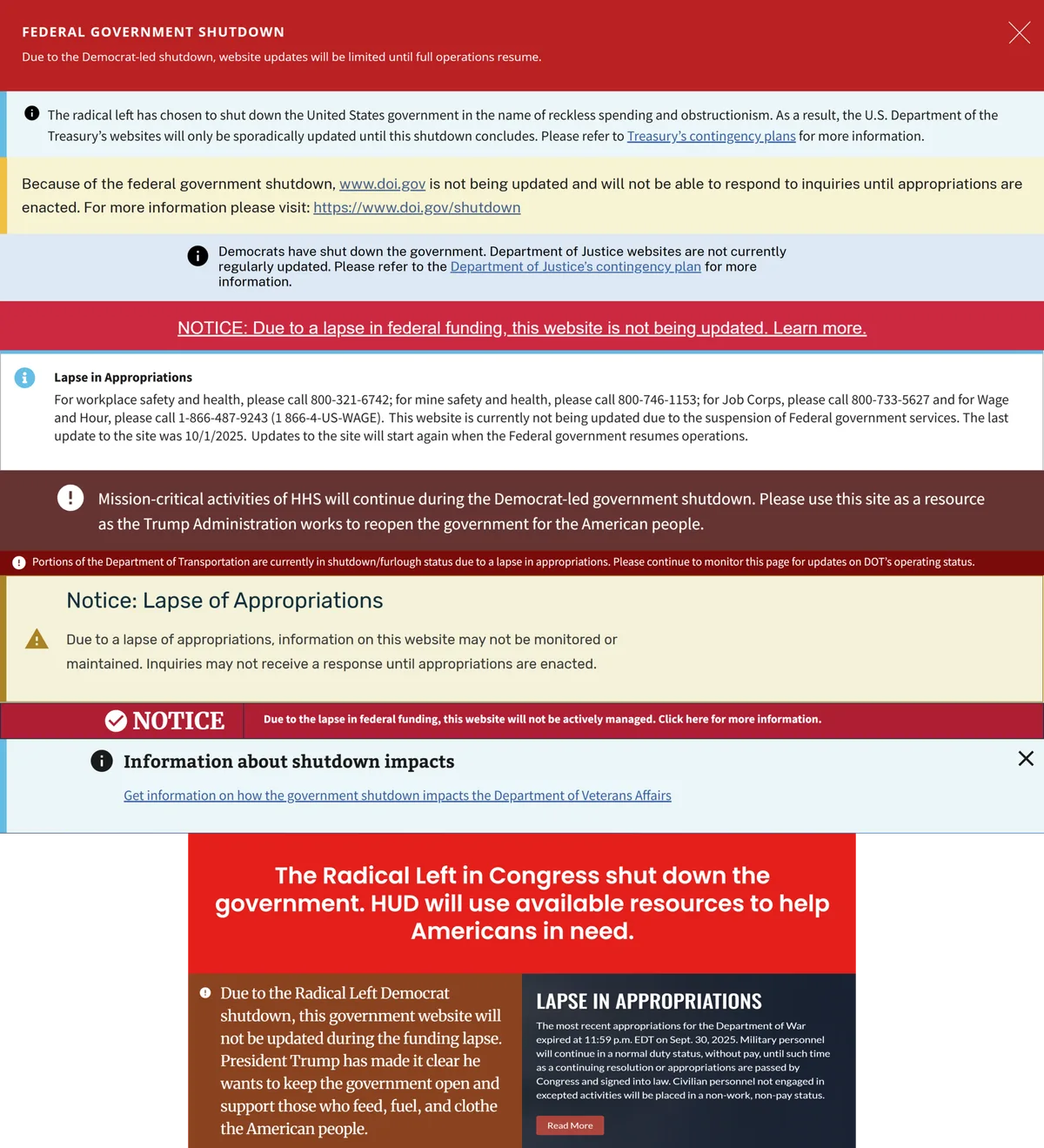
Fiscal 2026 offered a preview of the failure mode. The year began October 1, 2025 with no appropriations, producing a shutdown that ended only when a continuing resolution was enacted on November 12. The department then operated for months under CR conditions — new starts frozen, rate increases barred, per DoD practice — before full-year funding finally settled. Per CRS, that sequence is no longer exceptional: since fiscal 2011, stopgap funding has opened nearly every year, sometimes for half the year or longer. The FY2027 deadline arrives with every institutional actor aware of the cost of repeating it.
Why FY2027 is harder
Three factors raise the stakes. First, scale: the discretionary request's growth — roughly $251 billion, or 28 percent, over prior enacted levels per CRFB — means the appropriations bills must distribute more new money than any recent cycle, intensifying every subcommittee allocation fight. Second, the reconciliation tranche: $350 billion traveling outside the normal process must either be enacted through separate reconciliation legislation or folded into the annual bills, and appropriators have shown reluctance to absorb programs whose mandatory funding will expire and revert to their tables. Third, the lingering FY2026 backlog: new starts authorized a year ago and frozen under the CR still await execution, and they now compete with FY2027 priorities for a finite appropriations window.
The mechanics of the deadline
If September 30 passes without full-year bills or a CR, agencies enter a lapse: civilian furloughs, halted obligations, and — per DoD practice — the contraction of training and maintenance that defined autumn 2025. The likelier intermediate outcomes are a short-term CR to buy negotiating time or an omnibus package folding the unfinished bills together. Per CRS, each CR month compounds acquisition costs: delayed contract awards push milestones right, compress obligation windows, and force program offices to re-phase execution plans that industry cannot plan against. The department's own estimates in prior cycles put the CR friction in billions of dollars of deferred or degraded activity — costs that never appear as line items but are paid in schedule and readiness.
The reconciliation clock
The reconciliation track runs on its own calendar and its own risk. Reconciliation instructions carry expiry windows, and per budget-process observers, funding enacted through the mechanism can be unwound as easily as it passed, given its narrow-margin procedural character. If the reconciliation bill stalls past September 30, the associated programs — Golden Dome's expansion chief among them — enter a limbo in which neither the mandatory channel nor the appropriations channel has funded them, forcing emergency choices about what the build-up's first year actually buys.
What to watch
Watch the subcommittee markups scheduled for late summer, the shape of any CR floor-tested before the recess ends, and whether leadership attempts an omnibus early or plays the deadline for leverage. Per CRS history, the most probable outcome remains a stopgap — but FY2027's two-track structure means even a punctual CR only addresses half the money. The question that will define the autumn is not whether funding arrives, but whether the reconciliation tranche and the discretionary bill land together or leave the year's biggest defense programs stranded between them.