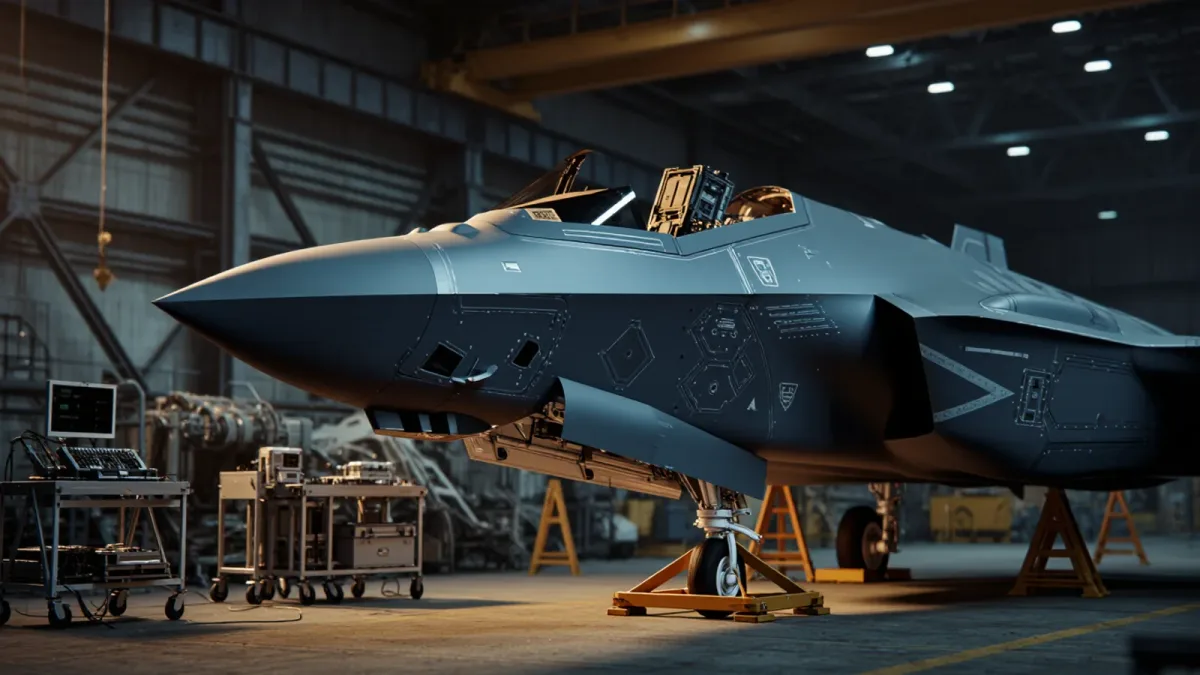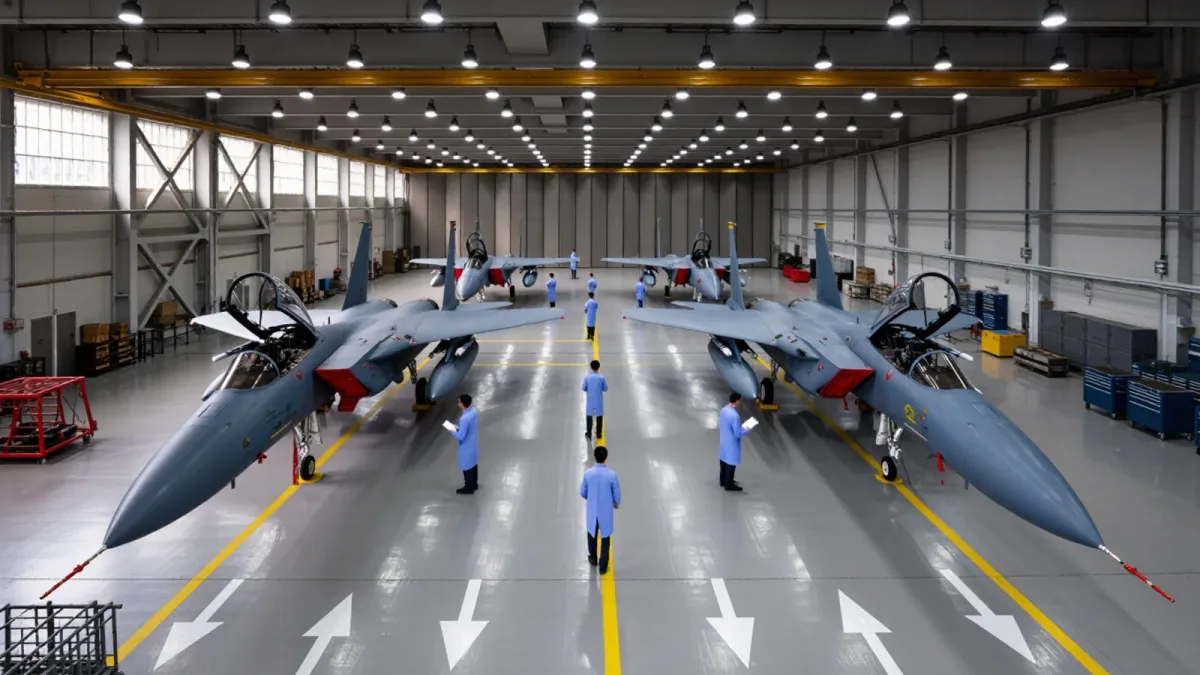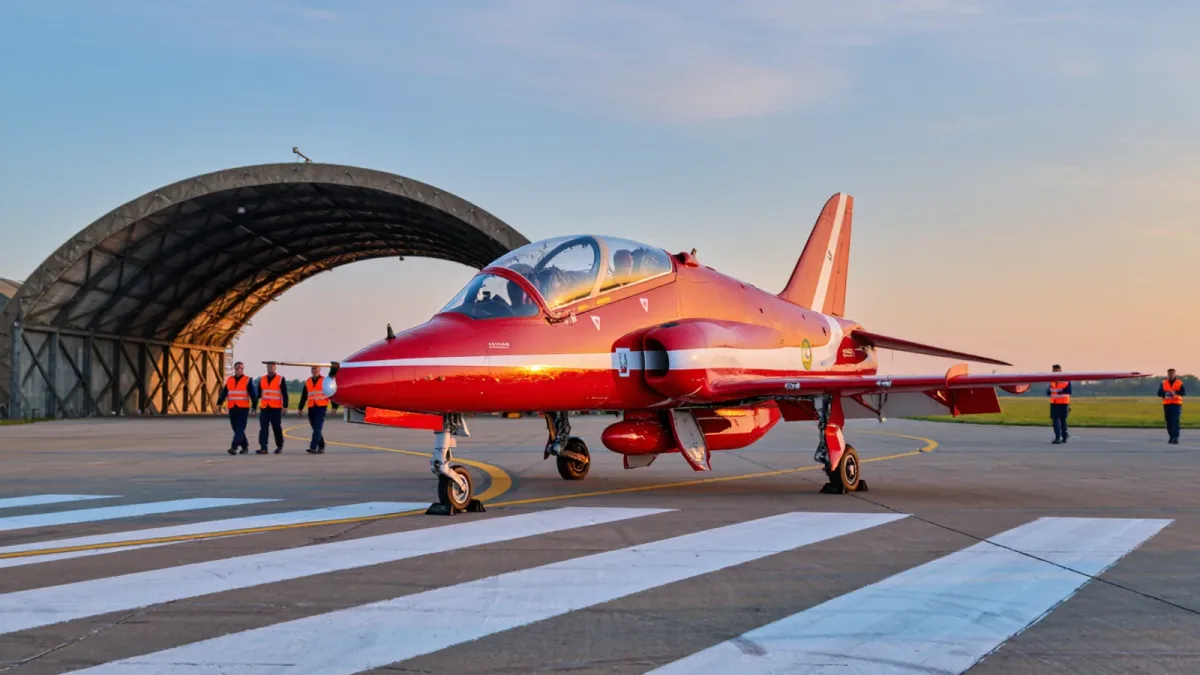
The Air Force cleared the Boeing T-7A Red Hawk for production after the program passed its Milestone C decision on April 23, 2026, with the announcement following on May 4, 2026, per af.mil. The decision released a $219 million first low-rate initial production lot, moving the trainer from development into actual jet-building after years of testing, redesign, and schedule slips.
What is Milestone C and why does it matter?
Milestone C is the Department of Defense acquisition gate that authorizes a program to enter production and deployment. Passing it means the T-7A has demonstrated, through operational utility evaluation and test data, that the design is mature enough to build in quantity and that the manufacturing process can produce jets consistently. For a program that has been in development since 2018, the gate is the pivot point between engineering and fielding.
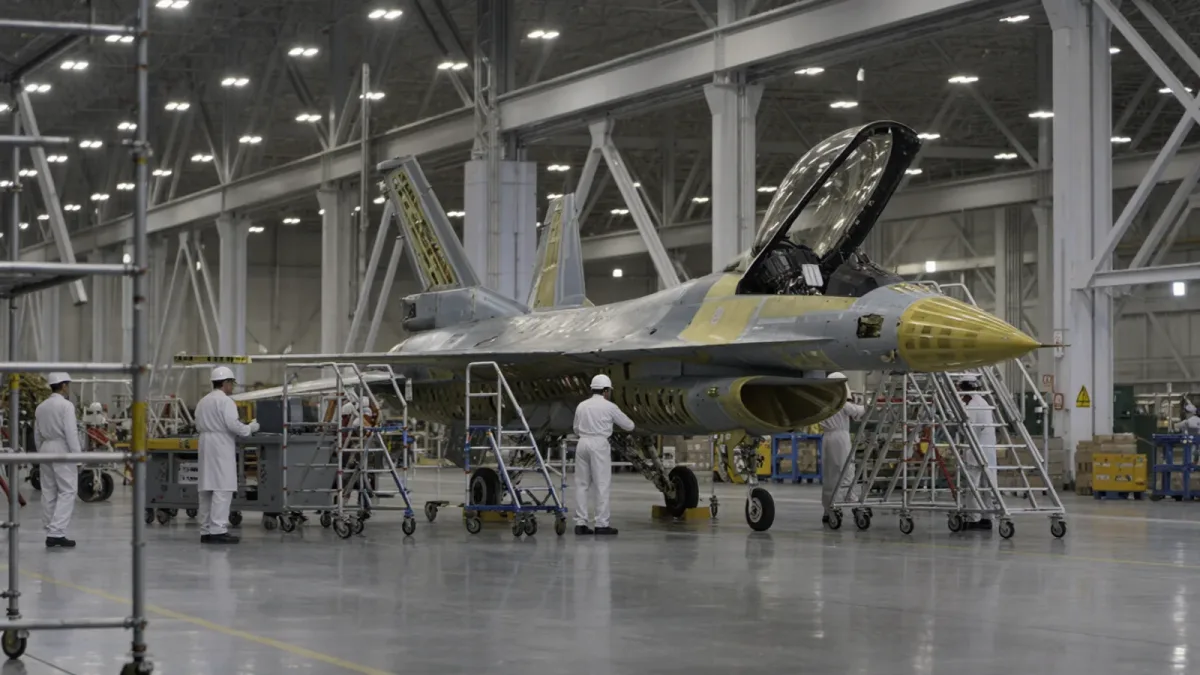
The first LRIP lot funded at $219 million, per af.mil on May 4, 2026, is deliberately small. Low-rate production lets the contractor prove the line while test results continue to accumulate, before the more consequential full-rate production decision later in the program.
What delayed the program?
The delay history is central to the T-7A story. In January 2025 the Air Force announced the production decision would slip, per service statements, driven chiefly by two issues: ejection seat performance for lighter-weight aircrew and software integration challenges. The seat concern echoed the A-10 and F-35 seat controversies, with testing revealing unsafe transient responses for pilots at the low end of the weight range.
Boeing and the Air Force spent 2025 reworking seat components and closing out software deficiencies, and the April 2026 Milestone C reflects that work being verified. The program's other notable feature is its digital engineering origin: the jet was designed as a model before metal was cut, an approach the Air Force credits with finding problems early even as schedule slips showed digital tools alone cannot eliminate physical test discoveries.
How are engines being procured?
One practical change is engine acquisition. The Air Force is buying the T-7A's F404 engines directly from GE, per service statements, rather than through Boeing as prime. Direct engine procurement gives the service visibility and control over engine deliveries, an item historically prone to schedule friction, and separates engine production from airframe milestones so aircraft deliveries are not hostage to a single subcontract flow.
When does the fleet field, and why does it matter?
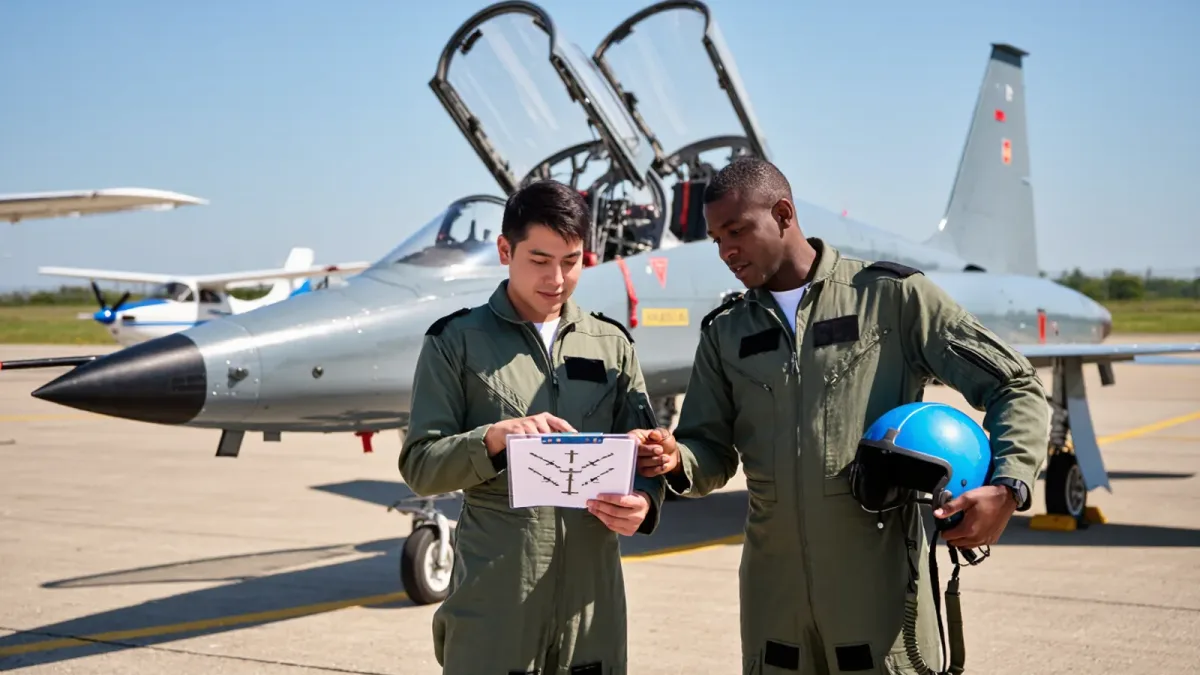
The Air Force targets initial operational capability for the T-7A in 2027, per af.mil, with 351 aircraft planned to replace the T-38 Talon fleet that entered service in 1961. The trainer is the linchpin of undergraduate pilot training, and its replacement schedule ties directly to the service's effort to grow pilot production after shortfalls that peaked above 1,800 airmen in the mid-2010s.
With production now authorized, the sequence to watch is LRIP deliveries to training units, the seat and software fixes proving out in fleet use, and the full-rate production decision. The May 4, 2026 announcement, per af.mil, closes the development chapter of a program that became a frequent case study in both the promise and limits of digital acquisition.
The economic side of the decision also matters in St. Louis, where the T-7A line shares engineering talent with the F-47 effort, and in supplier towns building structures, canopies, and simulation devices. A stable production award converts years of development spending into recurring manufacturing work with deliveries planned across the next decade.