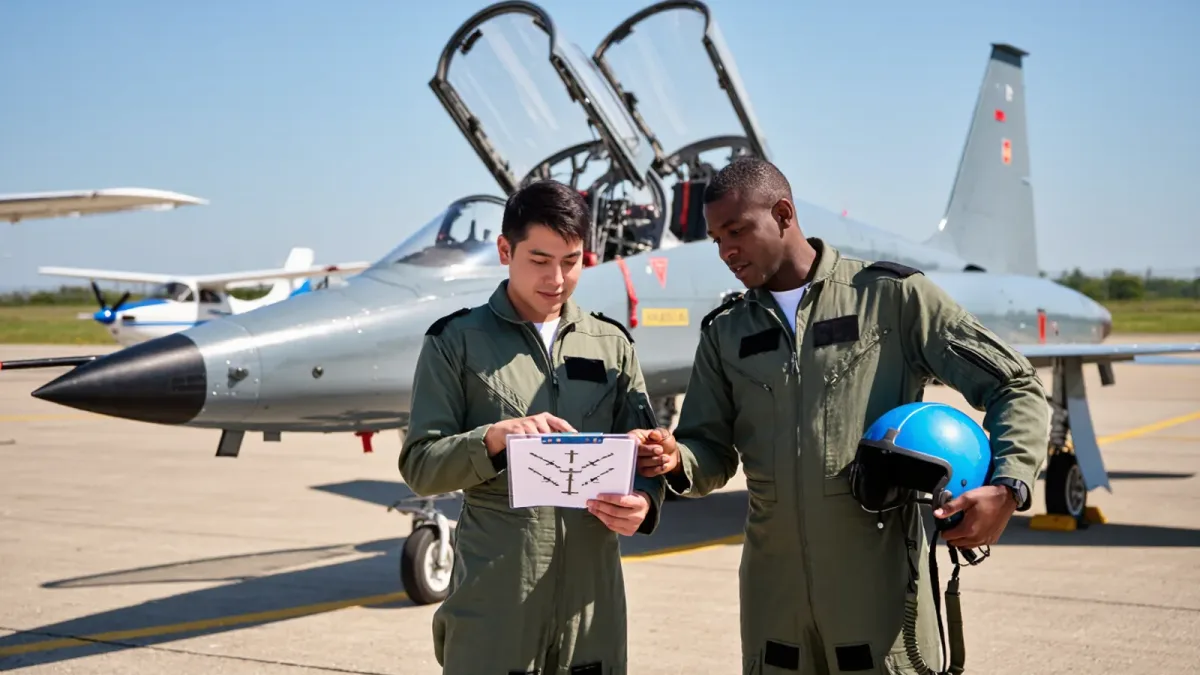
The T-7A Red Hawk is the Air Force's replacement for the T-38 trainer and the linchpin of its undergraduate pilot production plan, but the program's production decision has slipped into 2026 while Boeing and the service work ejection seat fixes, per Air Force acquisition statements in 2024. Until new trainers flow, the service's ability to grow pilot output stays capped by a training fleet whose airframes average over 60 years old, per Air Force budget documents.
Why does the Air Force need the T-7A?
The T-38 entered service in 1961, and the Air Force has flown it long past its design life while pilot output has struggled to keep pace with requirements. The service's pilot shortfall peaked above 1,800 airmen in the mid-2010s and remained near four figures in recent years, per Air Force statements, with trainer availability one of the constraints on how many students each class can absorb.
Boeing won the T-X competition in 2018 with a contract worth up to $9.2 billion for 351 jets plus ground-based training, per Air Force announcements. The jet first flew in its demonstrator form in December 2016, was designated T-7A Red Hawk in 2019 honoring the Tuskegee Airmen, and entered low-scale testing with the goal of replacing T-38s from the late 2020s.
What the Red Hawk changes
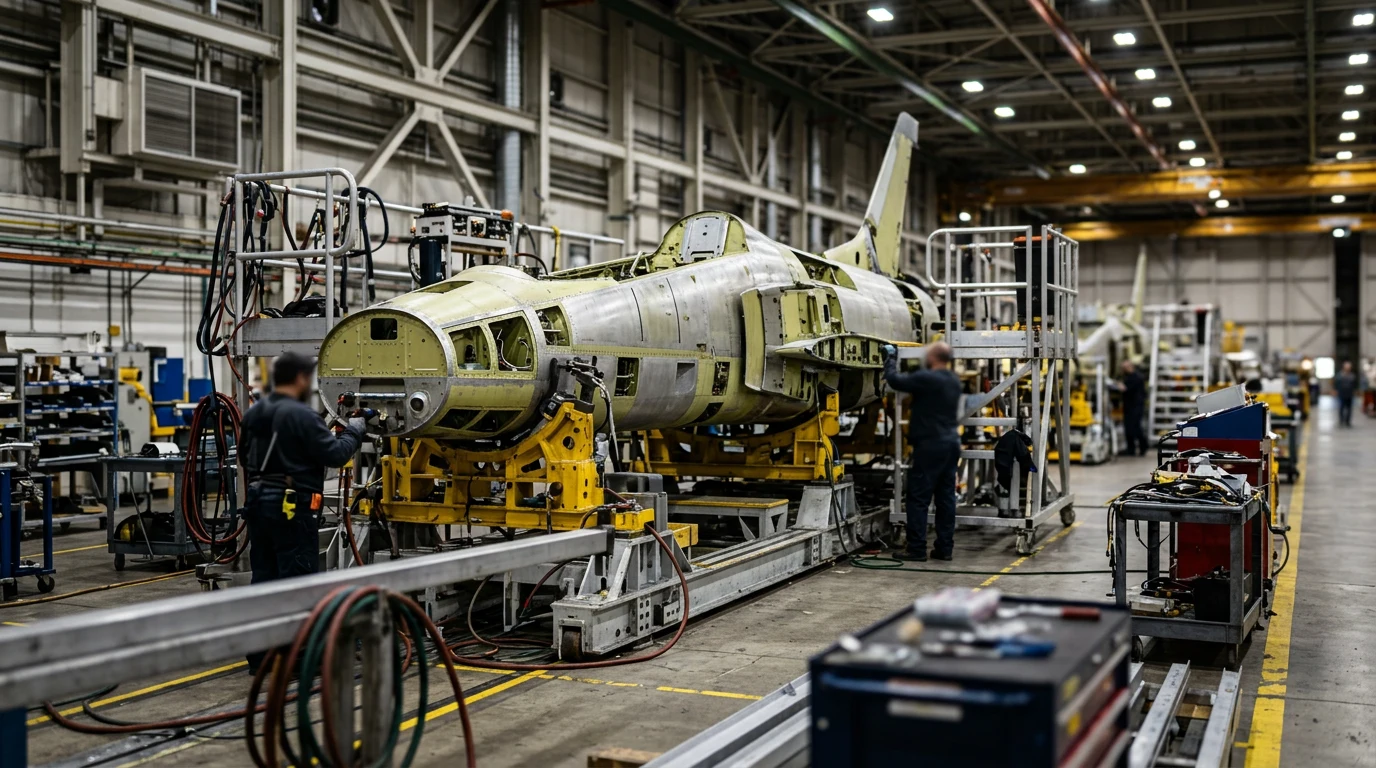
The T-7A pairs a modern high-performance airframe with a glass cockpit and simulation-heavy ground training meant to compress the syllabus for fifth-generation aircraft. Digital engineering, building the jet as a model before metal was cut, was the program's signature method, per Boeing, intended to cut discovery time during test.
What went wrong with the ejection seats?
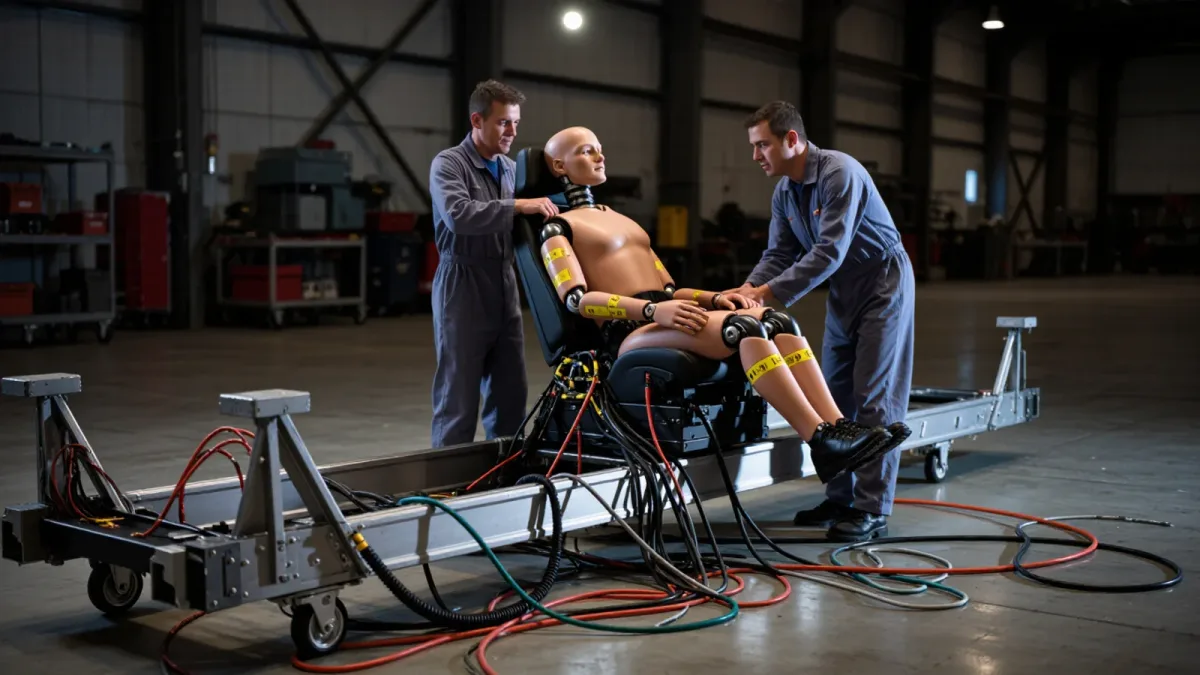
Test campaigns through 2023 revealed that the T-7A's ejection seat could produce unsafe transient responses for pilots at the lighter end of the aircrew weight range, echoing the issue that hit the F-35 fleet in 2019. Air Force officials told Congress in 2024 that seat modifications were in work and that a production decision was being pushed to allow those fixes to be designed, tested and verified before jets are built in quantity.
The delay matters because seat fixes in production aircraft are expensive retrofits; in development aircraft they are design changes. The Air Force chose to spend calendar time now rather than retrofit a production line later, an approach service acquisition officials described publicly in 2024 hearings.
How does pilot production actually work?
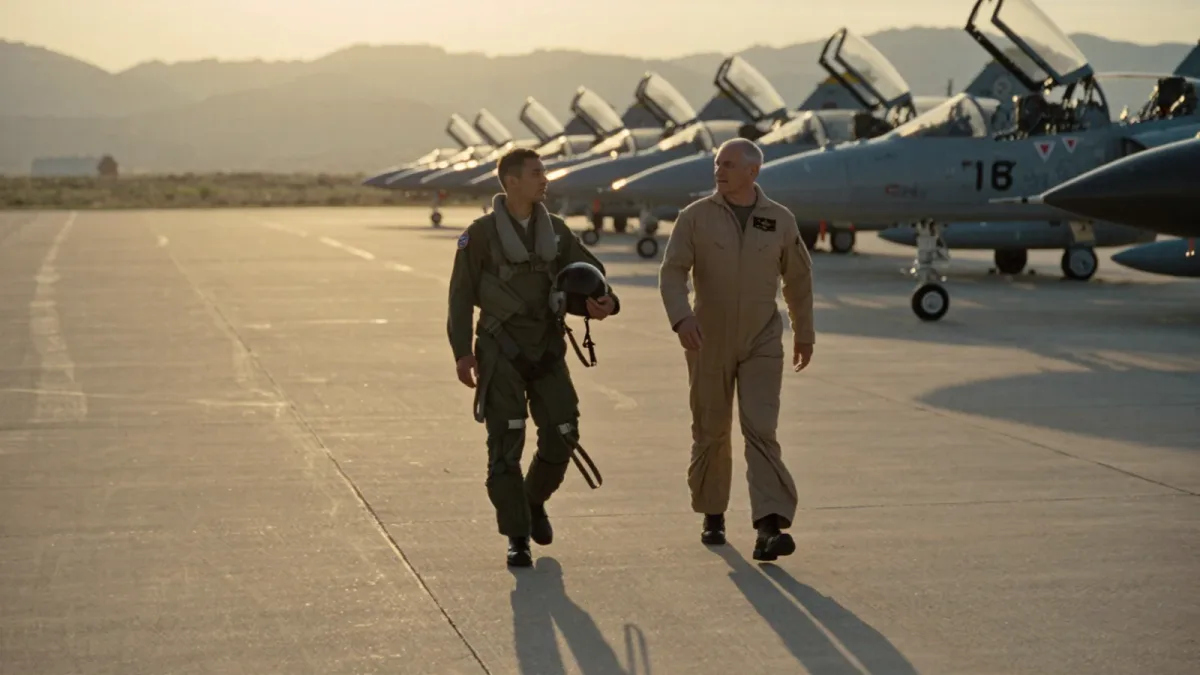
Undergraduate pilot training, or SUPT, runs roughly a year from flight screening through tracks for fighters, airlift and helicopters, and throughput depends on instructor capacity, aircraft availability and syllabus seats. The T-38's age makes each training sortie a maintenance gamble, and unplanned groundings shrink class sizes downstream.
- Phase 1: academics, screening and initial flight orientation.
- Phase 2: primary flight training, historically on the T-6 Texan II.
- Phase 3: track selection, with fighter-bomber bound students moving to T-38s or, eventually, the T-7A.
The bottleneck is not just airplanes. Instructor pilot manning at training wings, simulator seats and base capacity all bound throughput, which is why the T-7A contract included ground-based training systems as a first-class deliverable rather than an afterthought, per Air Force program documents.
What has the delay cost?
Calendar. Every year of slip extends T-38 flying-hour and depot burden and defers the syllabus modernization the T-7A carries. The Air Force has meanwhile stretched T-38 life-extension work to keep training wings staffed, per budget submissions, and adjusted student loads to match trainer availability.
The program also became a reference point for acquisition reform arguments. Its digital engineering origins made it the poster child for faster development, and its ejection seat delay has been used in Congress as evidence that even digitally built programs discover physical-world problems late, per 2024 testimony exchanges.
Where the program stands
As of early 2026, the T-7A remains in test and seat-fix work, with production volume pending the Air Force's investment decision, per service budget materials. First operational basing plans continue, and Boeing continues delivering test aircraft under the existing engineering and manufacturing development contract.
Can the pipeline recover without the T-7A?
Partially. The Air Force has bought time with simulators, syllabus changes and T-38 sustainment, and pilot shortfall numbers have eased from their mid-2010s peak, per service reporting. But structural growth in pilot output waits on training airframes that match fifth-generation curriculum, which is precisely the gap the Red Hawk was bought to close. Until the production decision lands, the pipeline runs on the margin of a 1960s trainer.
What does the T-7A syllabus change?
The Red Hawk was designed around a simulation-heavy curriculum that front-loads instrument, formation and tactics fundamentals in ground devices, reserving airborne sorties for skills that need real airflow and real G. The intent is fewer but higher-value sorties than the T-38 syllabus requires, with classroom and simulator progress monitored against the same objectives as flight lines.
Curriculum modernization is the quieter half of the program. Fifth-generation aircraft reward skills that the 1960s syllabus barely touched, including datalink-heavy formations and sensor management, and the T-7A's glass cockpit and open training architecture let courseware evolve between aircraft lots, per Boeing program descriptions. Training-system updates ride the same digital engineering model as the jet itself.
Where students come from
The pipeline's upstream matters as much as the jet. Pilot candidates arrive through academies, ROTC and officer training school, then pass flight screening beforeSUPT seats open, and medical, academic and flying attrition trim each class along the way. Production math therefore runs years ahead: a class entering screening this year graduates to combat-coded aircraft in the back half of the decade, which is why trainer delays ripple through force planning so visibly.
How do allies fit into the picture?
Several partner nations train in the United States or have signed on to the T-7A through foreign military sales discussions, extending the program's production base and standardizing advanced training across coalitions, per Air Force announcements. Shared syllabi and common simulators reduce the friction of allied pilots integrating into US-led operations later in their careers.
International demand also cushions the production risk. A wider customer base supports the production line through US budget cycles, and allied orders have historically anchored trainer programs through exactly the kind of delay the seat fixes introduced. The Air Force's bottleneck is thus tied to a wider Western training ecosystem's schedule.
What would signal recovery?
Watch three events. Seat-fix verification closing in test, the production award with initial lot quantities, and the first training wing conversion announcements. Together they mark the turn from managing a bottleneck to expanding throughput, and until all three land, Air Force pilot production remains hostage to a trainer designed when the T-38's name was new.
The T-7A's story is ultimately about arithmetic meeting airworthiness. A training fleet measured in decades, a pilot shortfall measured in thousands of cumulative years of experience and an ejection seat that must work for every legal aircrew size: none of those constraints bends quickly. The Red Hawk remains the only planned tool that addresses all three at once, which is why its schedule is read as the pipeline's schedule.
History counsels patience with trainer programs. The T-38 itself was bought quickly in the 1960s and then carried the fighter pipeline for six decades, and the T-7A is being built to do the same through mid-century. A production decision delayed two years is a real cost, but a trainer fleet selected for schedule over airworthiness would have been a cost paid in testing, in retrofits and potentially in lives, which is the trade the Air Force says it chose not to make.