The Army has activated its first Dark Eagle hypersonic missile unit, fielding the Long-Range Hypersonic Weapon, or LRHW, after the effort slipped from a September 2025 fielding goal into early 2026, per DefenseScoop on January 21, 2026. The activation gives the United States its first ground-launched hypersonic weapon system in the hands of a operational unit.
What is Dark Eagle?
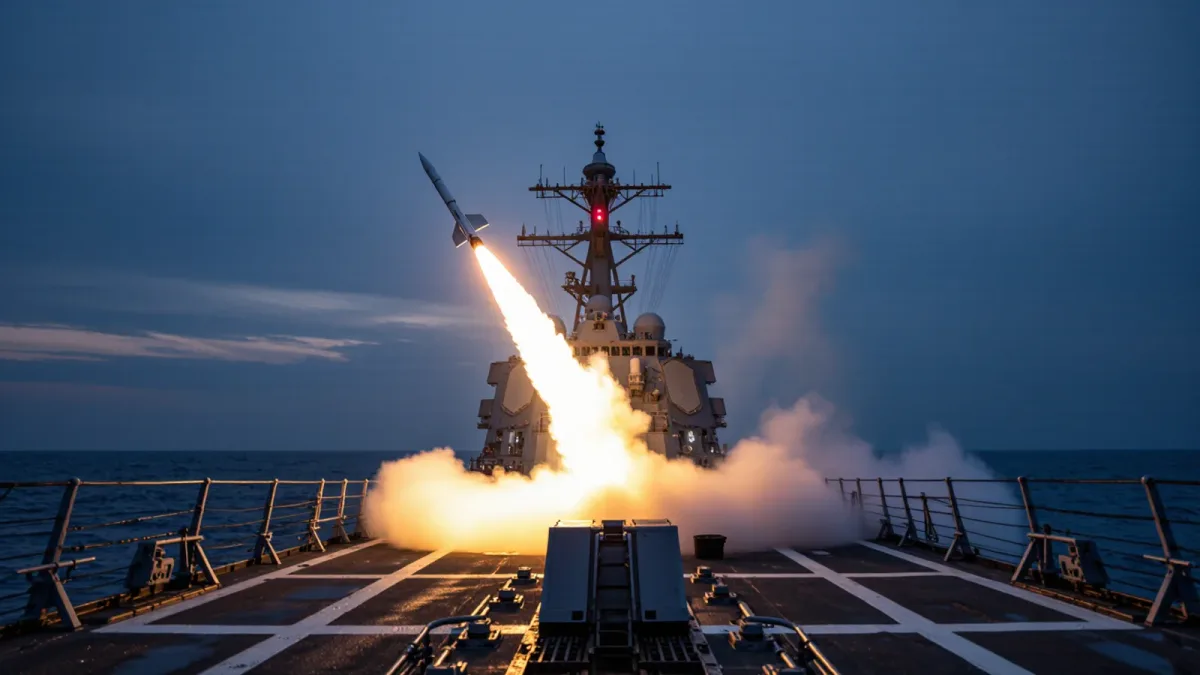
Dark Eagle is the Army's designation for the LRHW battery system built around the Common Hypersonic Glide Body, a weapon developed jointly with the Navy. The glide body is launched by a large solid rocket booster, accelerates to speeds above Mach 5, and then glides toward its target at velocities and altitudes that compress defender decision time. The Army has cited a range of roughly 1,700 miles, per program statements, putting the weapon in a class between traditional tactical missiles and strategic systems.
The program passed a key validation point with a successful end-of-2024 flight test of the Common Hypersonic Glide Body, per Army and Navy announcements, the culmination of a test campaign that had earlier been slowed by the COVID-19 pandemic and hardware issues. That flight cleared the path toward fielding hardware to a unit rather than continuing to hold everything at test ranges.
Which unit received the system?
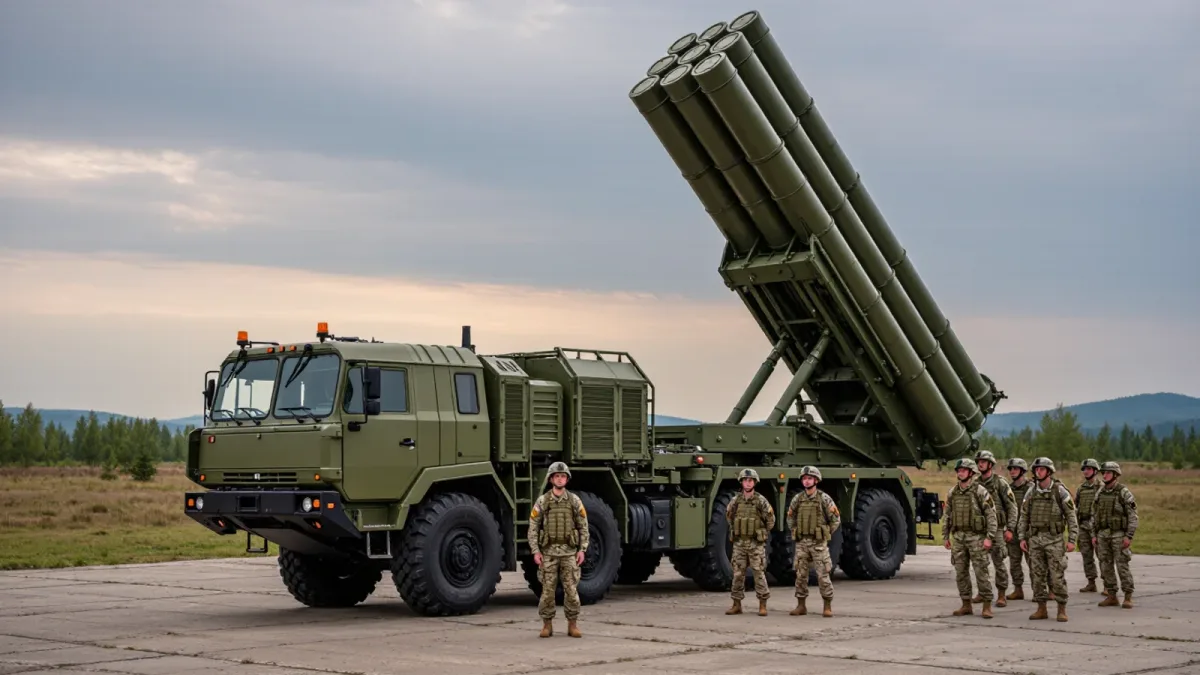
The first battery sits within the Army's Multi-Domain Task Force structure, the formations designed to deliver long-range precision fires and information effects inside a contested theater. The 5th Battalion, 3rd Field Artillery Regiment, part of the 1st Multi-Domain Task Force based at Joint Base Lewis-McChord, has been the LRHW prototype unit through development, receiving training hardware and launchers years before fielded rounds were available, per Army statements.
Activation means the unit can begin crew-level qualification with fielded equipment: transporter erector launchers, a battery operations center, and missiles. The Army has consistently described the system as mobile, road-capable, and deployable, distinguishing it from fixed-site strategic systems and fitting the multi-domain concept of dispersed, hard-to-target launch positions.
Why did fielding slip past September 2025?
The Army had targeted September 2025 for first fielding, but the schedule moved into early 2026, per DefenseScoop on January 21, 2026. Hypersonic flight testing is inherently serial: each flight test takes months of preparation, and range availability, hardware rebuilds between flights, and the pace of validating the glide body's performance envelope all constrained how quickly the Army could certify the weapon for troops.
Timeline slippage of this kind has been tracked by the Congressional Research Service, which notes the program's movement from an original early-2020s ambition through a series of revised fielding dates. Army officials have argued the end-of-2024 flight success demonstrated the hardware is sound and that the remaining slip reflected test and certification discipline rather than technical failure.
What does the activation signal?
The activation closes a chapter that began in 2018, when the National Defense Strategy prioritized hypersonic and long-range precision fires and the Army stood up the LRHW effort with an unusually fast timetable for a strategic-range weapon. China and Russia have fielded hypersonic-class weapons already, per Pentagon assessments, and the US Navy is on a parallel track to put the same glide body to sea on surface ships and submarines.
For the Army, Dark Eagle's fielding is the anchor investment in its long-range precision fires modernization priority, alongside PrSM and the Mid-Range Capability. The next questions are production volume, additional battery fielding, and how the first unit integrates into Pacific-oriented exercises, per DefenseScoop reporting on January 21, 2026.