The Air Force budget splits into two broad pots: procurement, the money that buys new aircraft and weapons, and sustainment, the money that keeps the existing fleet flying, fueled and repaired. Sustainment is the bigger lifetime cost by far, with operation and support commonly estimated at about 70 percent of a weapon system's total life-cycle cost, per Government Accountability Office analyses. In a typical recent year the service's topline request ran above $200 billion, per Air Force budget materials, and the fight between the two pots defines most modernization debates.
What counts as procurement?
Procurement buys the hardware: new-build fighters, tankers, munitions and the production tooling behind them. It is where programs like new aircraft lots live, and it is politically visible because a funded buy means jobs and capability growth. Investment accounts also cover research and development, which sits separately from procurement in the budget structure.
Procurement is inherently lumpy. Aircraft production ramps and tails off, so the account swings year to year even when the program is stable. That lumpiness is one reason the services fight to protect procurement lines during budget standsoffs, since a lost production year is nearly impossible to recover.
What falls under sustainment?
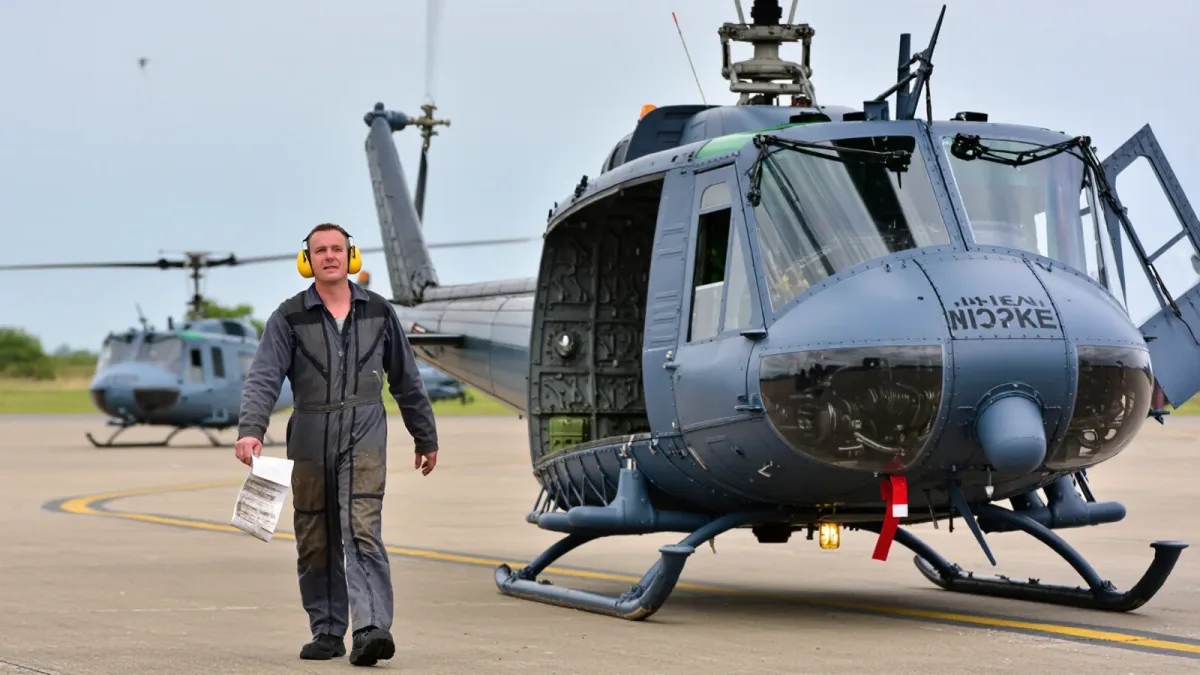
Sustainment, carried mostly in the operation and maintenance accounts, covers depot maintenance, spare parts, contractor support, fuel and the flying-hour program that trains aircrew. It is the recurring bill for the fleet the Air Force already owns, and it grows as aircraft age because older airframes demand more maintenance per hour flown.
The two pots compete directly. Every dollar a new program adds in fleet size eventually shows up as a sustainment obligation, and GAO's portfolio reviews have repeatedly warned that the department buys systems without fully budgeting their out-year support costs. Fleet age compounds the squeeze: Air Force budget testimony in recent years has flagged rising maintenance costs per flying hour across legacy fighters.
Flying hours as the political thermometer
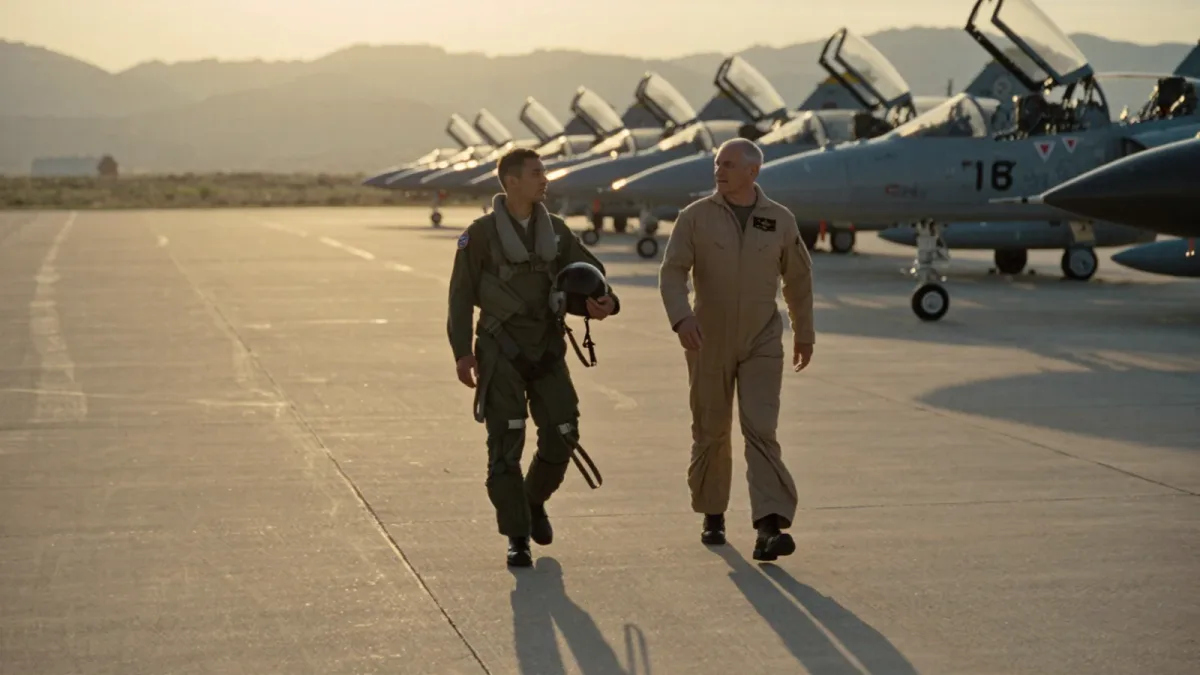
The flying-hour program is the most watched sustainment line. When budgets tighten, it is among the first places the service announces cuts, and Air Force officials have repeatedly told Congress in recent years that mid-year reductions forced aircrew training curtailments, per congressional testimony. Reduced hours then show up in readiness metrics within a year or two, feeding back into budget debates.
What share of life-cycle cost is sustainment?
Roughly 70 percent, per GAO analyses that have used the figure for decades of weapon system reviews, and the share rises for long-lived aircraft flown past their designed usage. A fighter bought over 30 years of production will spend most of its life in the sustainment column, which is why acquisition officials now score programs on supportability at design time rather than after fielding.
Reliability engineering, condition-based maintenance and open architectures are all, in budget terms, sustainment cost-avoidance tools. The service has cited depot backlog reduction and workforce investment in its recent budget submissions as the operational side of the same argument.
How does the split actually look in the budget?
- Procurement and R&D together form the investment accounts, historically near half of Air Force topline in heavy modernization years.
- Military personnel, pay and benefits, is a fixed-growth account the service cannot flex.
- Operation and maintenance, the sustainment home, absorbs flying hours, depot workloads and base running.
The tension is arithmetic. Personnel is largely untouchable, so investment growth usually comes at sustainment's margin and vice versa. When modernization peaks, as with multiple concurrent aircraft programs, sustainment lines such as flying hours and depot maintenance absorb the squeeze, and readiness reporting follows.
Why does the split matter to industry?
Because the sustainment share is where decades of revenue live. Contractors increasingly bid for performance-based logistics and depot partnerships rather than only production contracts, since the aftermarket outlasts the build. GAO oversight of sustainment contracting, and the legal requirement that depot core work stay in-house, shape how much of that aftermarket is public and how much is private.
Watch three numbers each budget season, per Air Force budget materials: the investment-versus-military-construction mix against O&M, the flying-hour program's funding level against the prior year, and depot workload funding at the air logistics centers. Those three tell you which pot won this year's argument.
How does the department try to control sustainment cost?
Design-time decisions do most of the work. Reliability requirements, condition-based maintenance architecture and open interfaces are all specified before production to lower the out-year bill, and cost-as-an-independent-variable reviews score programs on supportability alongside performance. Once an aircraft is fielded, the remaining levers are process: better demand forecasting, leaner depot flow and workload competition between public and private providers.
Performance-based logistics shifted some risk to contractors, paying for aircraft availability rather than repair actions, with mixed results that GAO has documented across programs, per its reviews. The legal floor persists beneath every arrangement: core depot work must remain in-house, which bounds how far the sustainment enterprise can be privatized.
The aging-fleet multiplier
Fleet age turns every sustainment line red. Aircraft flying decades past their designed usage consume more maintenance per hour, demand obsolete-part mitigation and drive depot backlogs, and the Air Force's recent budget testimony has repeatedly connected those dots, per congressional reporting. Every modernization delay therefore compounds on the sustainment side of the ledger, not just on the capability side.
How do budget standoffs hit the split?
Continuing resolutions freeze new starts and slow production decisions while forcing sustainment accounts to run at prior-year rates, and the services have warned for years that prolonged resolutions cost readiness and procurement efficiency, per Air Force testimony. During recent standoffs, the service announced readiness-impacting measures, including flying-hour curtailments, to protect higher-priority programs.
The pattern teaches a durable lesson about the split: procurement is the account that determines the future fleet, sustainment is the account that determines whether the current one can fly, and Congress writes the rules that decide which wins in any given year. Industry watches the same arithmetic, because sustainment contracts follow the fleet while production contracts follow the budget.
What is the outlook?
Modernization pressure is rising faster than toplines in most recent submissions, which sustains the squeeze. Expect continued emphasis on reducing O&S cost at design, continued GAO scrutiny of supportability estimates and continued political sensitivity around flying-hour funding. The 70-percent lifecycle truth is not going away; the only open question is which programs are designed to survive it.
The split also frames every modernization headline. A new bomber or fighter is simultaneously a procurement line in its build years and a sustainment obligation for forty more, and the budget documents make both visible if read together. Analysts who quote only the procurement number are reading half the cost of the fleet the Air Force is actually buying.
Comparison across services sharpens the picture. The Navy splits its accounts between a carrier fleet and aviation wings with shipboard dependencies, the Army's aviation budget rides inside a larger ground structure, and the Air Force carries the purest air-centric ledger of the three. That makes its procurement-versus-sustainment tension the clearest case study in defense budgeting, and the one most often cited in testimony when either chamber debates modernization pace, per congressional hearing records.
One more arithmetic point closes the loop. Because sustainment compounds, small percentages move large sums: a single percentage point of O&S across a budget exceeding $200 billion is a program's worth of money, per Air Force budget materials. That is why design-for-support requirements, which look minor in an acquisition document, dominate the out-year debate, and why the 70-percent rule keeps reappearing in every serious review of the service's finances.