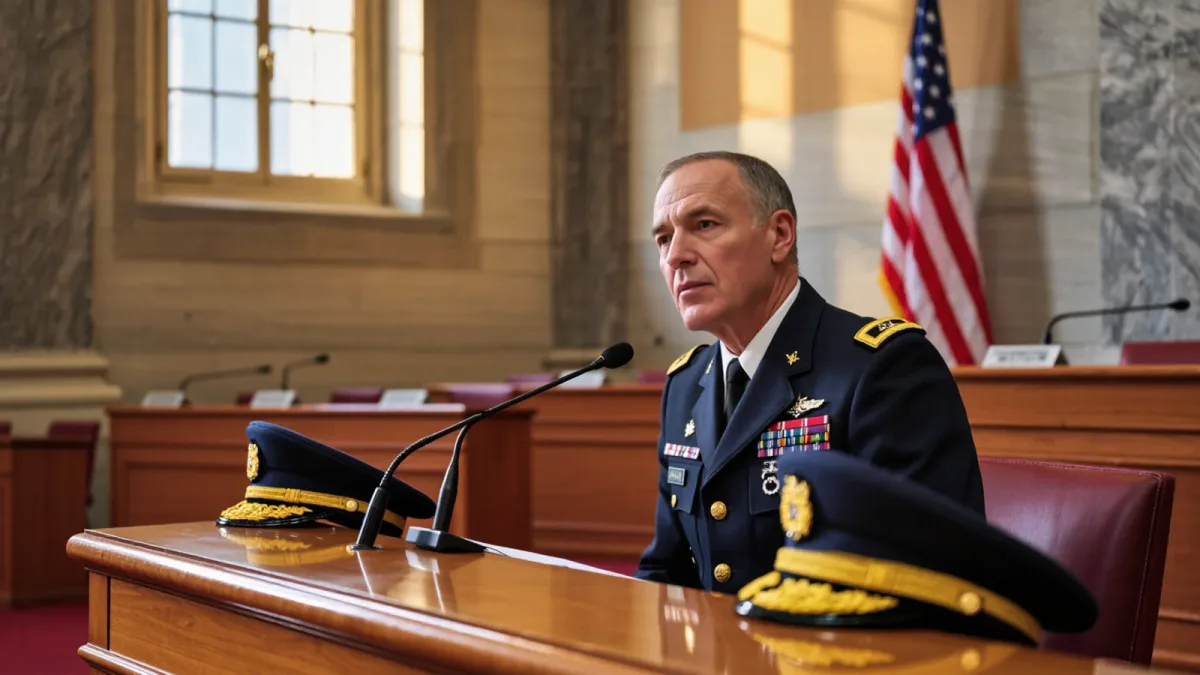
The annual posture hearings are underway, with service chiefs and service secretaries appearing before the Senate Armed Services Committee and the House Appropriations defense subcommittee in March — the traditional opening of the defense budget season. The testimony arrives with fiscal 2026 funding still unsettled: the enacted FY2026 topline stands at approximately $1.01 trillion, yet the department has spent much of the year under continuing resolution conditions shaped by the autumn shutdown and the November stopgap.
Why posture hearings matter
Posture hearings are the first structured, on-the-record look at how each service intends to spend the coming year's money. Per long-standing congressional practice, the chiefs present their services' readiness, modernization, and force-structure assessments, and committee members respond with the questions that preview authorization and appropriations fights. Because the hearings precede the budget rollout by roughly two weeks, they function as a negotiation: the services defend existing programs, members probe rumored cancellations, and both sides calibrate before the actual request documents appear. Statements entered into the hearing record become citation anchors for the entire appropriations season.
The FY2026 backdrop
This year's hearings unfold against an unusual fiscal context. The FY2026 enacted topline of roughly $1.01 trillion was settled late, after a shutdown and a continuing resolution that froze new starts and rate increases per DoD practice. That means chiefs testifying in March are describing readiness shaped by months of stopgap management — deferred maintenance, slowed contract awards, and compressed training schedules are standard CR byproducts, per CRS analyses of the practice since fiscal 2011. Members are expected to press on how the funding turbulence affected the very readiness metrics the posture hearings exist to assess.
What the chiefs are expected to signal
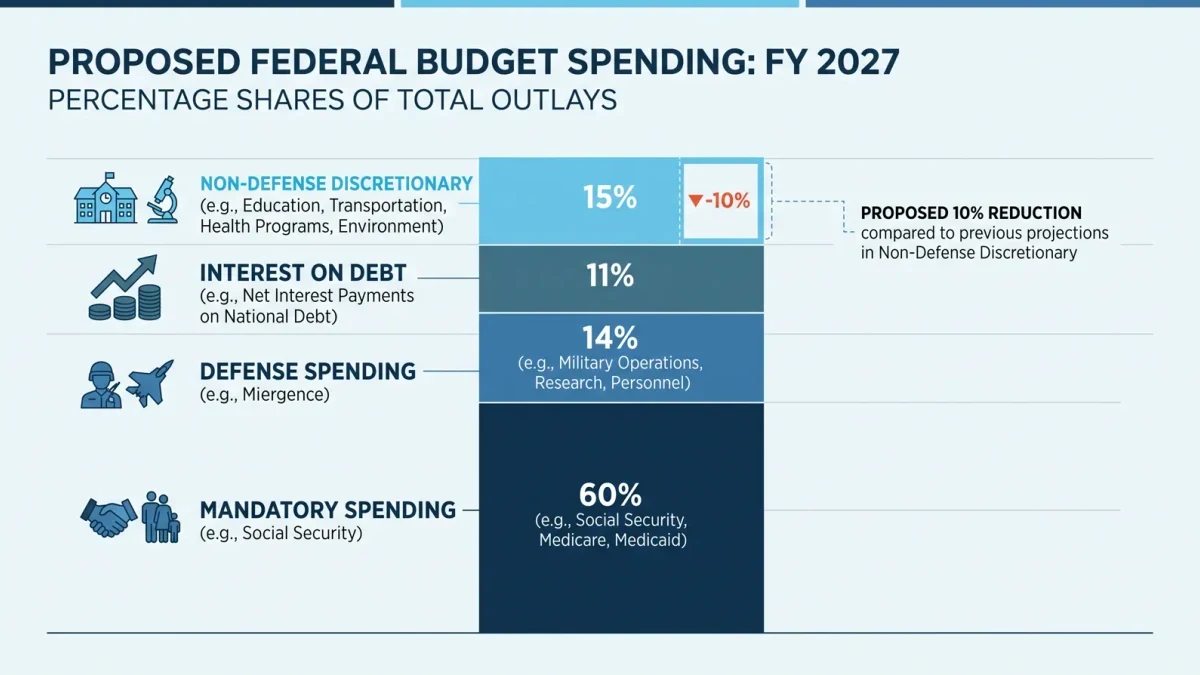
Three threads dominate expectations. First, force redesign: each service has been restructuring portfolios toward long-range fires, air and missile defense, and munitions depth, and the posture hearings offer the first defense of those choices before appropriators. Second, capacity: production rates for munitions and shipbuilding have become recurring hearing topics, with industrial base health now a bipartisan concern. Third, the FY2027 topline itself — chiefs will not preview numbers, but their emphasis on which accounts they call foundational signals where the request's growth, if any, is headed. Per CRS hearing practice, what chiefs decline to defend in March rarely survives the spring.
The calendar ahead
The posture hearings compress a dense spring schedule. The FY2027 budget request follows in early April, subcommittee markups begin in early summer, and the authorization committees start writing the NDAA in June. The hearings set the terms of debate for all of it: every figure in the April request will be measured against the testimony given this month, and every proposed cut will be answered with the hearing record. For industry and analysts, the posture statements are the cheapest forecast available — weeks ahead of the budget books, and official rather than speculative.
What to watch
Watch the gap between what the chiefs call urgent and what the FY2026 enacted topline of about $1.01 trillion can fund. If testimony emphasizes shortfalls in munitions, maintenance backlogs, or delayed new starts attributable to the CR, expect those themes to reappear as justification for a larger FY2027 request. Per CRS, posture testimony has historically been the place where services lay the public groundwork for budget asks that cannot be stated numerically in advance — making this month's hearings the true opening argument of the fiscal 2027 cycle.