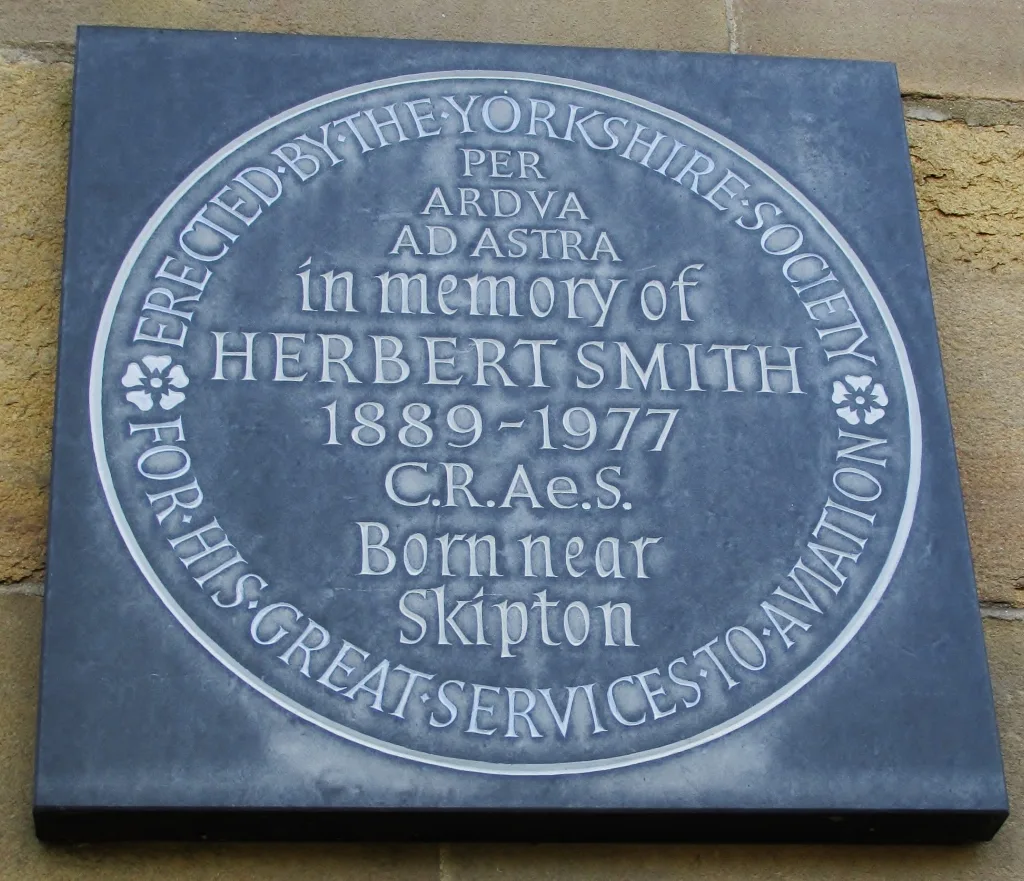
Aviation Town Profile — How One Small Town Became an Aviation Hub: Airports, Employers, Schools
The recipe behind rural aviation clusters is unglamorous: a usable runway, one anchor employer, and a training pipeline that keeps both fed.
Aviation covers military and dual-use aircraft in detail: airframe design, propulsion, avionics, flight test campaigns and the maintenance burden that follows delivery. Reports track certification steps, sortie rates and known deficiencies. Intended for engineers, aircrew, procurement staff and readers who want an aircraft explained rather than photographed.
Airframes, engines, avionics and flight test campaigns followed from first flight through fleet maintenance, certification and the fixes nobody advertises.
The recipe behind rural aviation clusters is unglamorous: a usable runway, one anchor employer, and a training pipeline that keeps both fed.

Two aircraft in an open, instrumented test campaign since November 2023 — the program is flying earlier than its predecessors did, but the fielding date still rests on testing no one can compress.
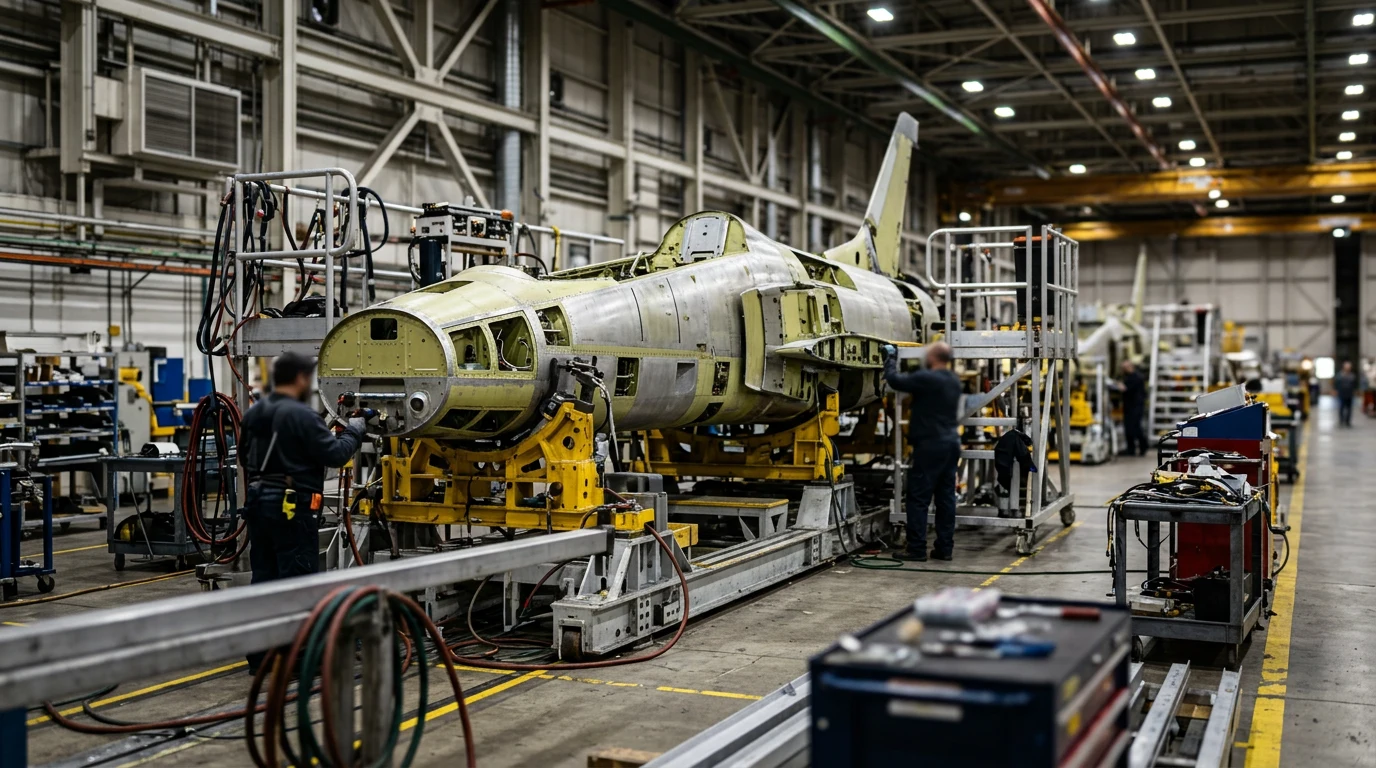
The Pentagon's production go/no-go gate, explained through the Air Force's T-7A Red Hawk trainer, which cleared it in April 2026 a year behind its original plan.
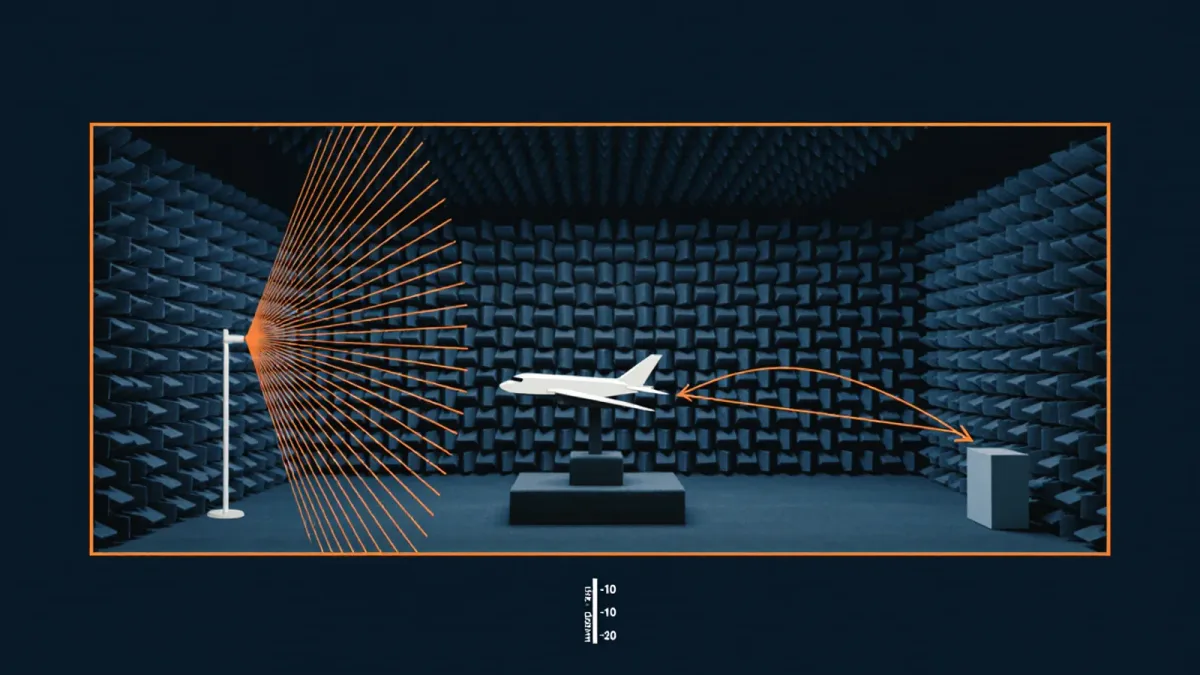
Stealth is quantified in decibels per square meter inside anechoic chambers and on remote ranges, a discipline the F-117 program pulled from secrecy in 1988.
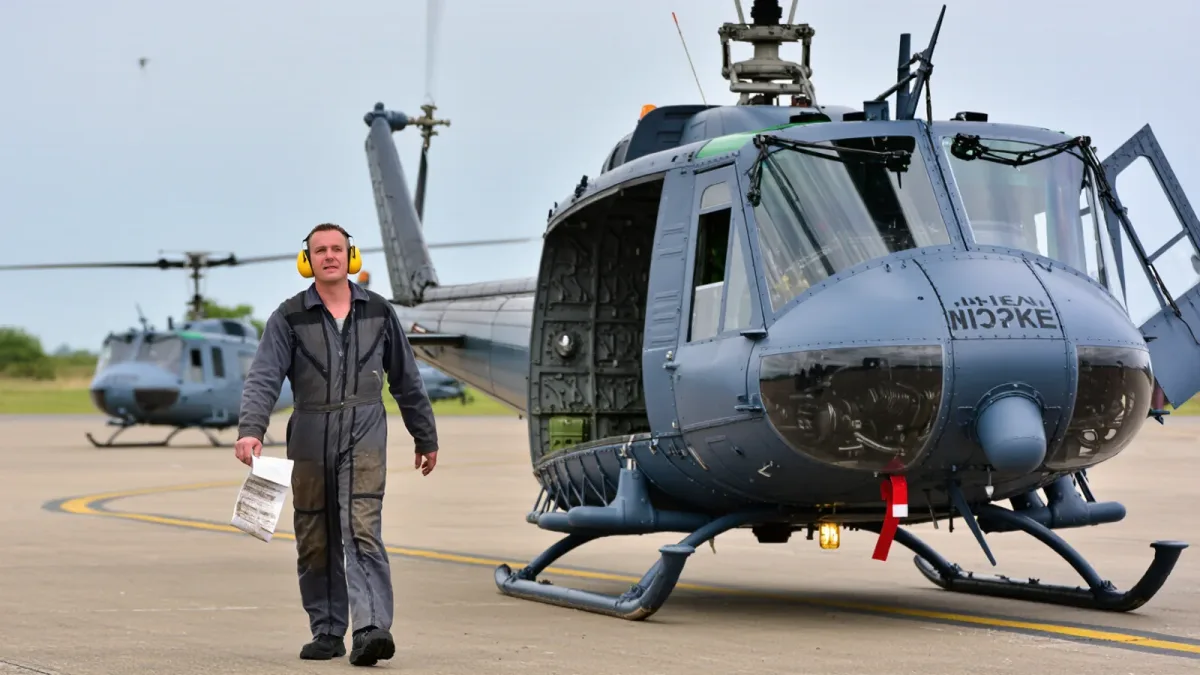
Rotary-wing airframes age by load histories, not just hours, and service life extension programs are how fleets born decades ago keep flying.
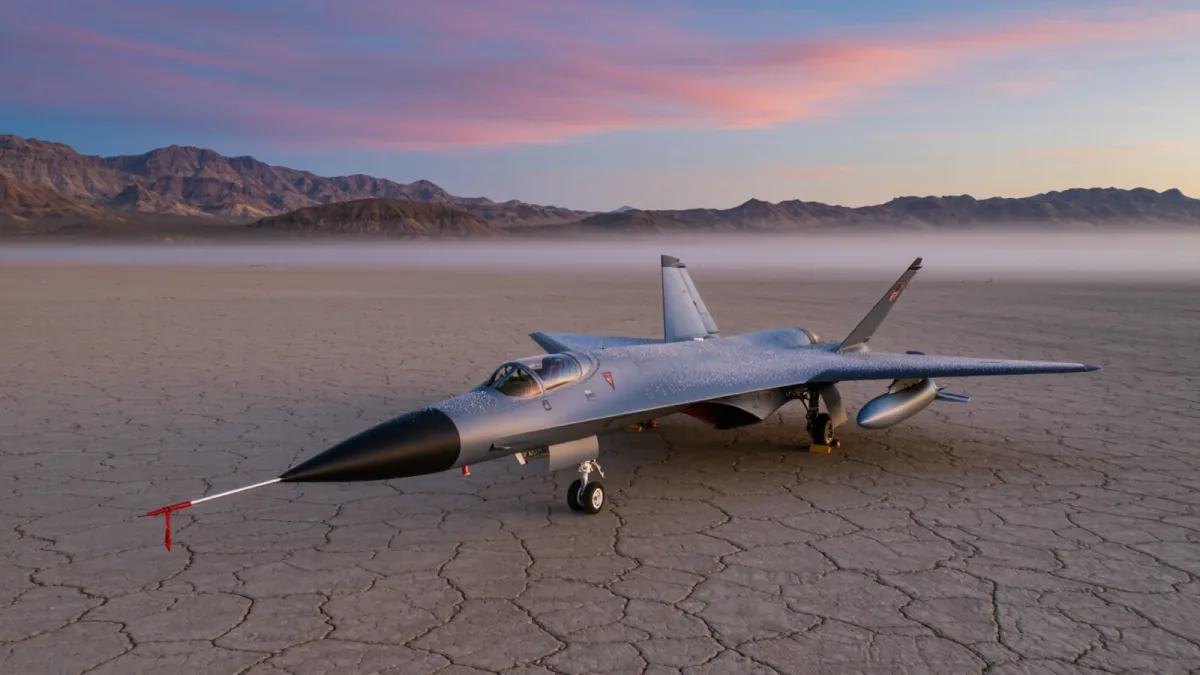
A 1970s FAA rule forbids civil supersonic flight over the United States, but NASA's X-59 and Boom's XB-1 flights are building the data to change it.