Identification friend or foe, or IFF, is the encrypted question-and-answer system that lets radars sort allies from targets: an interrogator transmits a coded challenge, and any cooperative aircraft carrying the matching codes replies automatically with a valid response. Without that exchange, a radar return is just a blip with an unknown owner. Modern US and allied fleets rely on Mode 5, the encrypted military standard that replaced Mode 4.
What is IFF and how does it work?
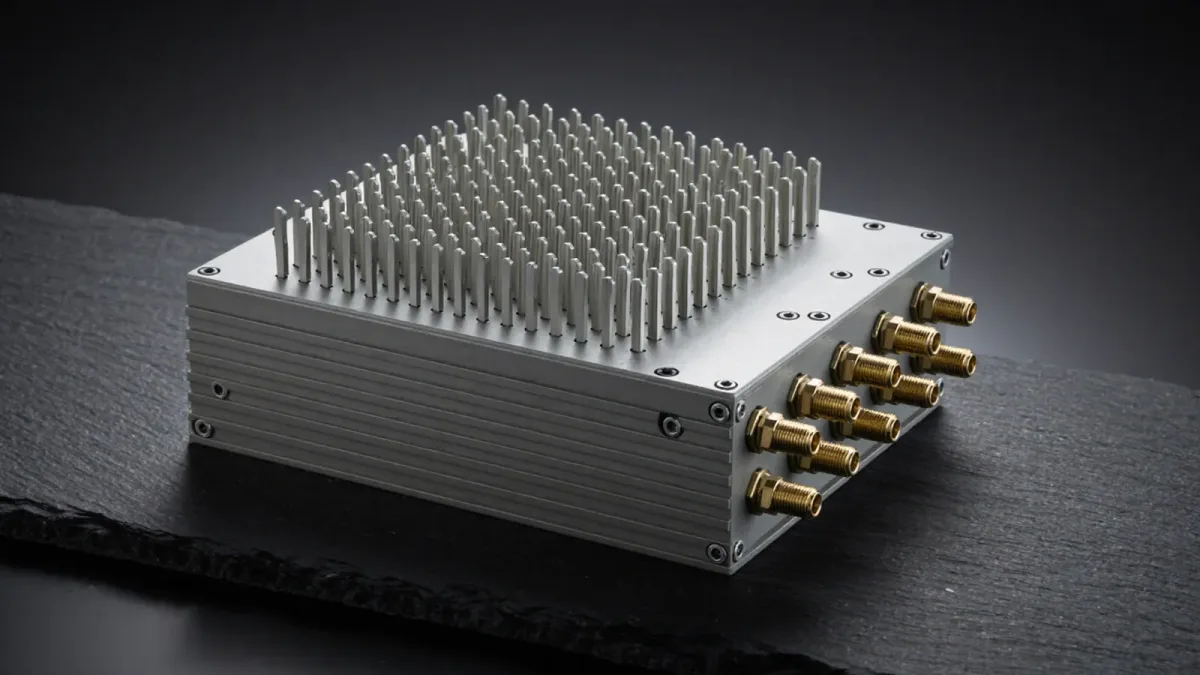
IFF is a transponder system, not a sensor. A ground site, ship or fighter interrogates on a standard frequency band; any aircraft with the day's valid cryptographic keys replies with a coded pulse train that identifies it as friendly, often down to platform type and mission code. Non-responses mean only that a target is non-cooperative, not hostile.
That asymmetry is the system's core limitation. A stealthy or damaged friendly aircraft, a transponder failure or a wrong crypto fill can all produce a silent blip, which is why IFF is treated as one input to combat identification rather than the whole answer. Doctrine requires it be weighed with posture, tasking, electronic signatures and visual or sensor confirmation.
From Mode 4 to Mode 5
Mode 4, fielded in the 1960s, used a military interrogation challenged against a transponder reply for identity verification. Mode 5, its cryptographic successor, adds stronger encryption, improved waveforms and Mode S data-link functionality that supports richer exchanges, and the Department of Defense has fielded it across aviation, shipboard and ground systems over roughly the last decade, per Pentagon acquisition reporting. Mode S, the civilian component, underpins air traffic control surveillance worldwide.
How does IFF prevent friendly fire?
By giving the shooter a fast, encrypted reason to hold fire. A fighter radar or air defense battery that interrogates a track and receives a valid Mode 5 reply has positive confirmation the aircraft is friendly, allowing engagement of everything else only under stricter, slower rules. In mass raids that filter is what keeps hundreds of cooperative tracks from flooding the engagement queue.
The questions matter as much as the answers. Interrogation modes distinguish friendlies, neutral civil traffic and non-responders, and engagement authority usually requires a non-response plus corroborating evidence before weapons release. Training exercises hammer this sequence, because skipping steps is how fratricide happens.
When IFF fails, what happens?
History supplies the case studies. In March 2003, a US Patriot battery shot down a Royal Air Force Tornado GR4 returning from a mission over Kuwait, killing the pilot and navigator, after the aircraft was misidentified as an incoming anti-radiation missile, an incident investigated by both governments and widely reported by the BBC. The Tornado carried functioning IFF, and the engagement pointed to integration and procedural failures rather than a single equipment fault.
The deepest wound came in 1994, when US Air Force fighters shot down two Army Black Hawk helicopters over northern Iraq, killing 26 military and civilian personnel, in part because the helicopters' Mode 4 equipment was not interoperable with the fighters' interrogation gear, per the official investigation. That shootdown drove years of reform in joint identification equipment, procedures and training.
Lessons written into doctrine
Both cases reshaped how the services treat combat identification: cross-service IFF compatibility, stricter engagement geometry, and required corroboration beyond a missing transponder reply. None of it reduces IFF to a magic shield; every investigation treats it as one layer among several.
Who carries the codes?
Only friendly platforms hold the day's cryptographic variables, loaded from secure key devices and rotated on schedules set by national authorities. Coalition operations require partner nations to receive compatible keys and interrogator equipment, which is why Mode 5 modernization ran through foreign military sales as well as US fleets.
- Interrogators: ground radars, ships, airborne early warning platforms and fighters.
- Transponders: every friendly aircraft, helicopter, ship and vehicle expected to answer.
- Crypto fills: distributed under strict accountancy, since compromised keys collapse the entire filter.
What about non-cooperative targets?
Adversaries never answer interrogations, so IFF says nothing useful about them. Identifying a hostile requires the rest of the combat identification stack: radar signature, electronic emissions, flight profile, track origin and declared tasking. Artificial intelligence research programs aim to fuse those cues faster, but the engagement decision remains procedural by design.
Mode 5 fielding continues across fleets and partners, per Department of Defense budget documents, because the interrogate-and-reply filter remains the fastest friendly check available in a raid. The RAF Tornado case is the standing reminder of what happens when the layers fall out of alignment.
How do interrogators and transponders interoperate?
Every element of the system must share timing, waveforms and crypto, which is why interoperability is engineered through strict standards and verified in joint exercises. A naval interrogator, an airborne early warning platform and a fighter radar must all read the same reply from the same transponder, or the shared picture fragments exactly when the raid arrives.
Mode 5 fielding therefore ran as a fleet-wide program rather than a platform upgrade, covering aviation transponders, shipboard interrogators and ground air defense systems, per Department of Defense acquisition documentation. Crypto management grew alongside it: key accounts, fill devices and rotation procedures are now a standing logistics function in every coalition deployment.
The human layer
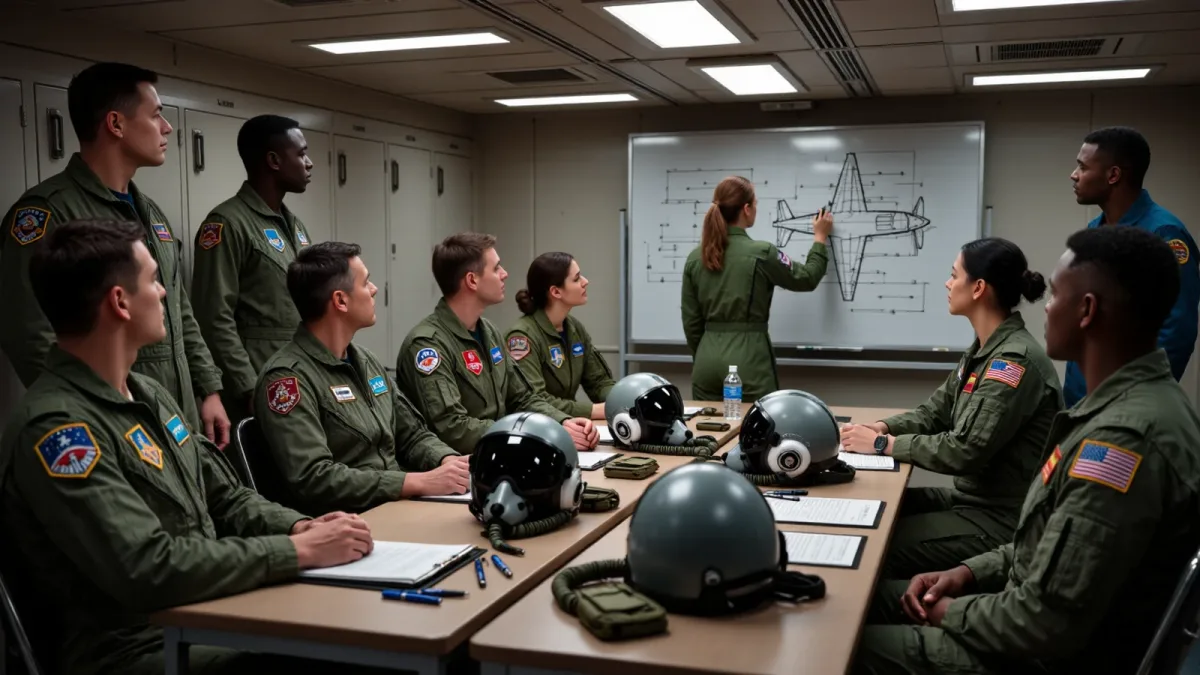
Equipment sets the ceiling, but procedure sets the floor. Weapons directors rehearse interrogation sequences, engagement geometry and corroboration rules in training against instrumented ranges, and post-exercise reviews grade every questionable track. Investigations of past fratricide cases consistently find procedural breaks compounding equipment limits, which is why training reform followed every major incident on record.
How is IFF tested and modernized?
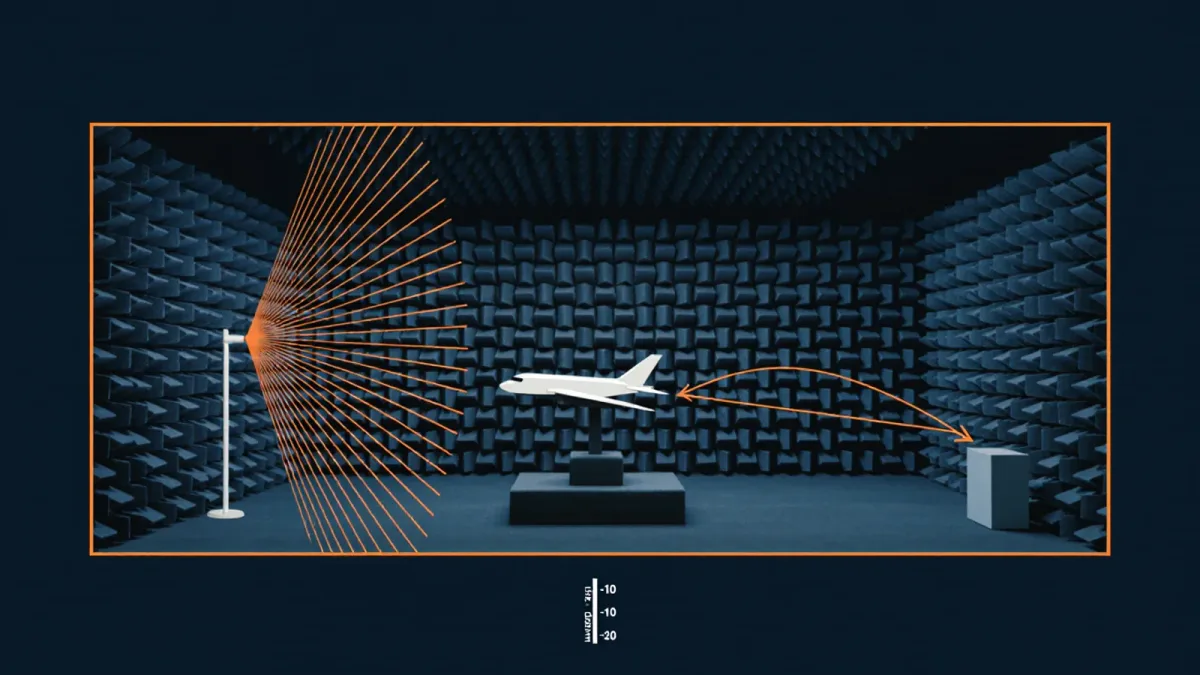
Fleets verify IFF health in ground tests against interrogator checksets, then in range exercises where instrumented targets answer or withhold replies by script. Electronic warfare ranges add jamming and spoofing attempts so crews practice operating with degraded identification, a scenario set that has grown as adversary countermeasure capability spreads.
Modernization now points toward richer data rather than a simple friendly bit. Mode 5 Level 2 exchanges carry platform, mission and position data into the tactical data link picture, and research programs examine fusing IFF with passive sensors to speed identification of non-cooperative tracks, per Department of Defense science and technology descriptions. The architectural goal is a combat identification picture that degrades gracefully when any single layer fails.
The through-line from 1994 and 2003 to today is that identification failures are system failures, never single-point ones. IFF remains the fastest friendly check in a raid precisely because so much engineering and procedure stands behind that single encrypted reply.
The practical takeaway for planners is durable: buy the crypto, rehearse the procedures and test the interfaces as a joint system. Every documented fratricide case in the literature traces to a gap between those three, and every fix since 1994 has been an attempt to close one of them before the raid, not after.
Interrogation also happens faster than the engagement cycle, which is the quiet engineering achievement. A fire-control radar can challenge a track in the same scan that it measures range and closure, so the friendly check imposes essentially no delay on a valid engagement decision. That speed, obtained through encrypted automation rather than voice queries, is why IFF has survived every generation of sensor technology since the 1940s.