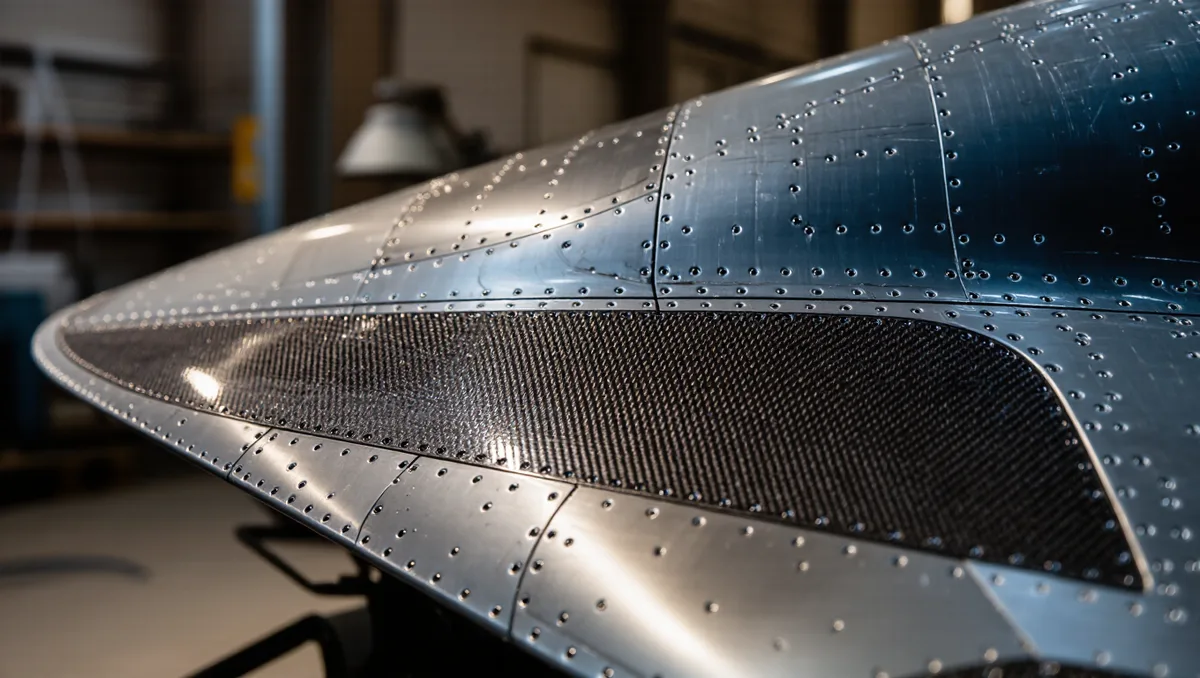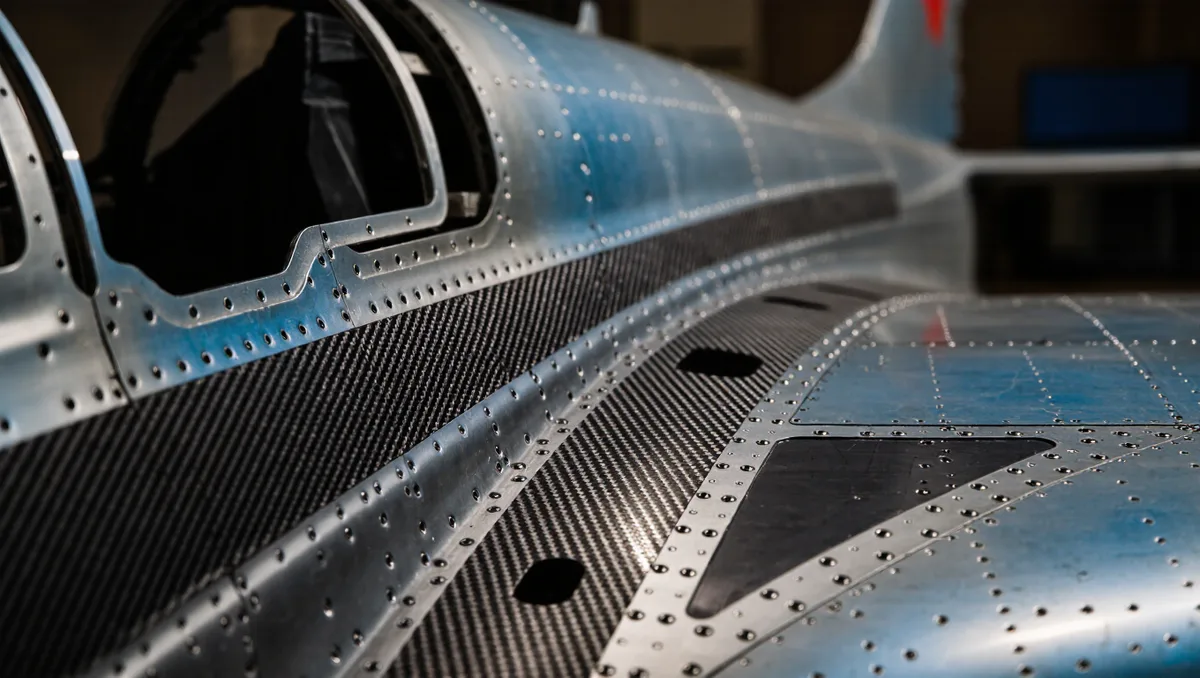
Most airports tell you what flying looks like today. An aviation museum tells you how flying got that way. Behind the hangar doors sit the machines, tools, and paper records that trace a century of flight. You can walk up to a jet, look inside a cockpit, and see rivets and patches up close.
The best part is that every museum is different. Some hold only a handful of aircraft. Others fill several halls. Knowing what to expect helps you see more on any visit.
What an Aviation Museum Actually Preserves
An aviation museum is a museum that shows the history and artifacts of flight. Exhibits can include real aircraft, replicas, photographs, maps, models, dioramas, and the clothing and gear that pilots used. According to Wikipedia's aviation museum entry, collections range from one or two aircraft to hundreds, and some museums cover spaceflight as well because aeronautics and astronautics grew up together. This connects to our earlier piece, How One Small Town Became an Aviation Hub: Airports, Employers, Schools.
That range matters. A small local hangar may hold the only surviving example of a regional airliner. A large national collection may trace the whole story of flight in one roof. Both protect objects that would otherwise rust, get scrapped, or be forgotten. For related coverage, see How Air Traffic Control Keeps the Skies Organized: One Flight, Four Handoffs.
Ground Displays and Flying Aircraft
Museums differ in how they use their aircraft. Some keep everything on the ground. Wikipedia notes that museums choose not to fly when an aircraft is too fragile or too rare to risk. Others fly a few favorites at air shows, accepting the wear and risk that flying brings.
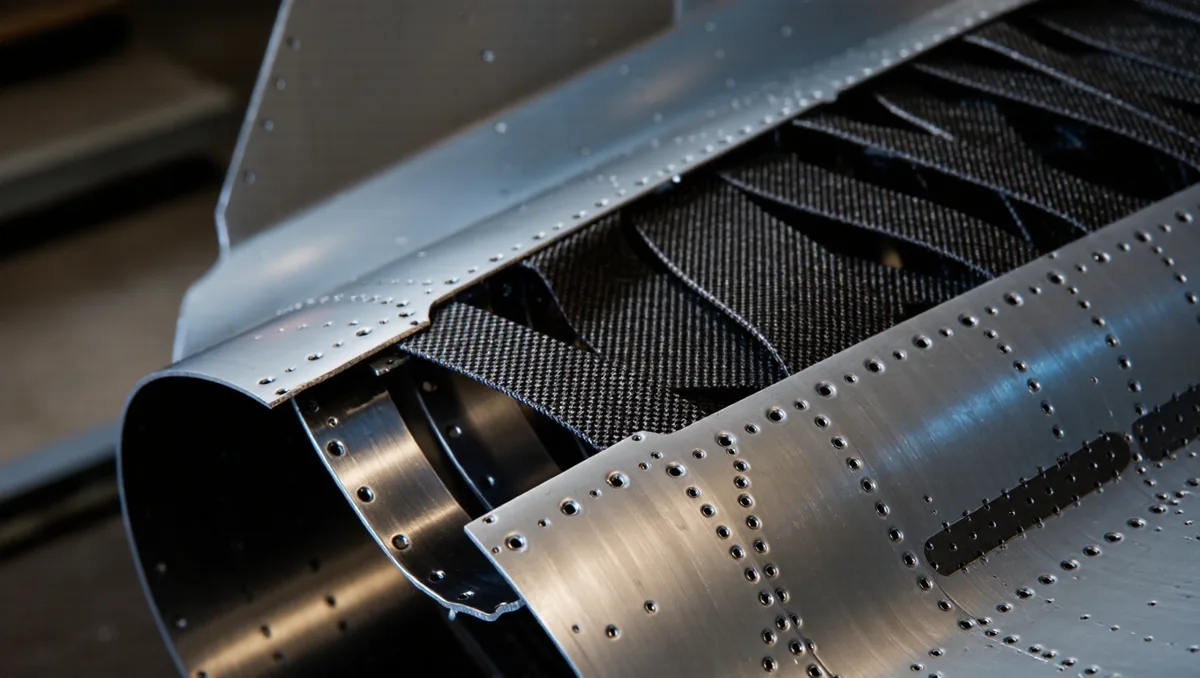
When you visit, ask which aircraft still run. Staff usually know. A plane that flies will look different from one that is sealed for display. Fresh oil, open panels, and current paint tell you the machine still lives. A sealed display plane often has cutaway sections instead, which let you see tanks, wires, and structure you would never spot on an active airframe.
The Restoration Hangar Is the Real Classroom
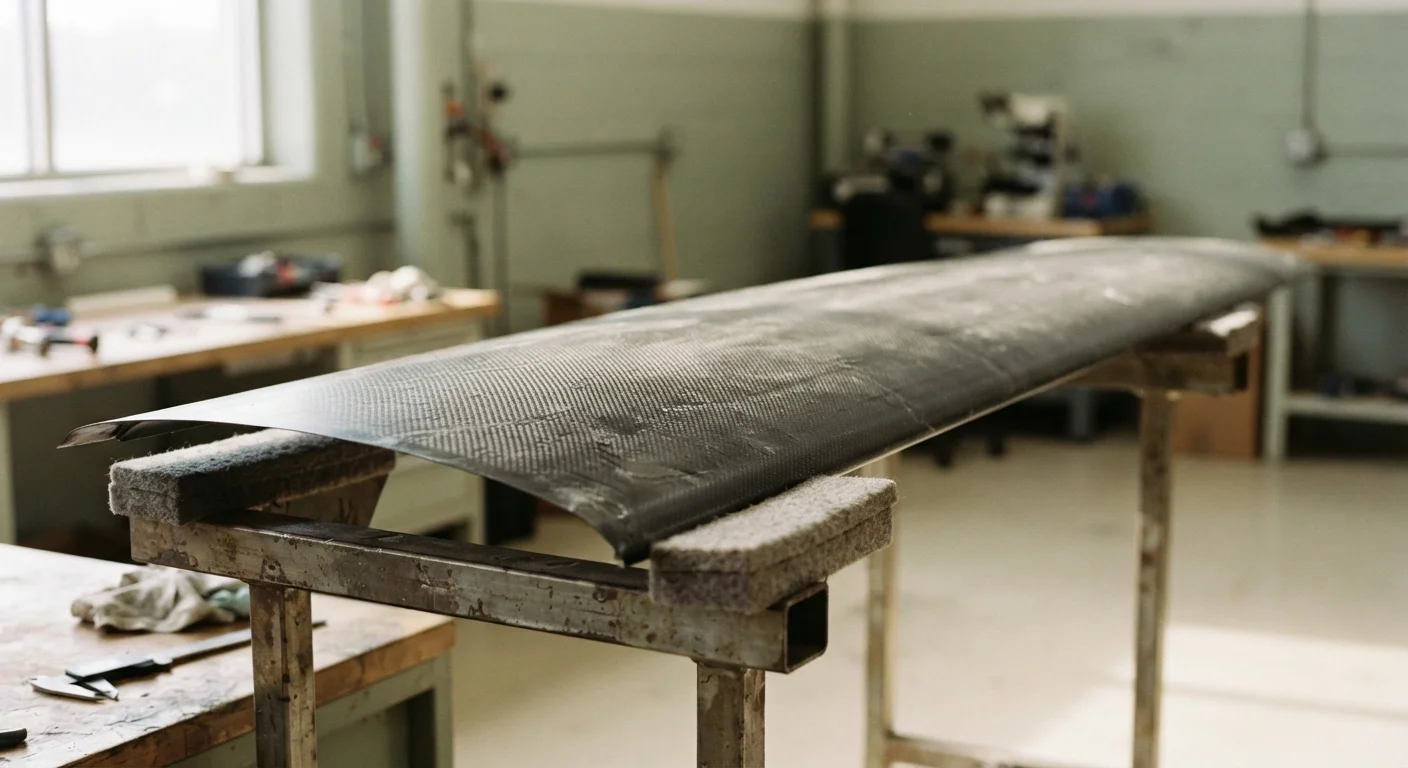
Many museums let visitors watch restoration work. This is where the craft shows. Technicians strip old paint, treat corrosion, rebuild fabric skins, and reassemble engines by hand. The work can take years for a single plane.
Wikipedia also points out that many museums hold technical manuals, periodicals, photographs, and personal archives. Researchers use these to write books and to guide restoration projects. So the museum is not just a warehouse. It is a working archive that keeps hard knowledge alive, down to the torque values on a bolt.
Look for the National Air and Space Museum style of setup, where restoration hangars sit near the public galleries. Wikipedia records that its Steven F. Udvar-Hazy Center includes a Mary Baker Engen Restoration Hangar that houses restoration and archival work, and that the museum drew about 3.1 million visitors in 2023.
Simple Tips for a Better Visit
A little planning goes a long way. Try these habits on your next trip.
- Take the guided tour. Docents often flew or fixed the aircraft on display.
- Look up, not just at eye level. Cockpits, bomb bays, and engine details sit high.
- Read one full aircraft story, not every plaque. Depth beats speed.
- Visit the archives or ask about them if you research family or local history.
- Go on a workshop day if the museum offers one. Seeing restoration up close is the best lesson.
Conclusion: Why These Places Matter
An aviation museum is a memory bank for flight. It keeps rare airframes, the written record behind them, and the skills needed to care for them. It also gives new generations a first close look at the machines that shaped the modern world.
Next time you pass a museum sign near a small airfield, stop. The hangar may hold the last of its kind, and visits are what keep it funded, staffed, and safe for the next century.