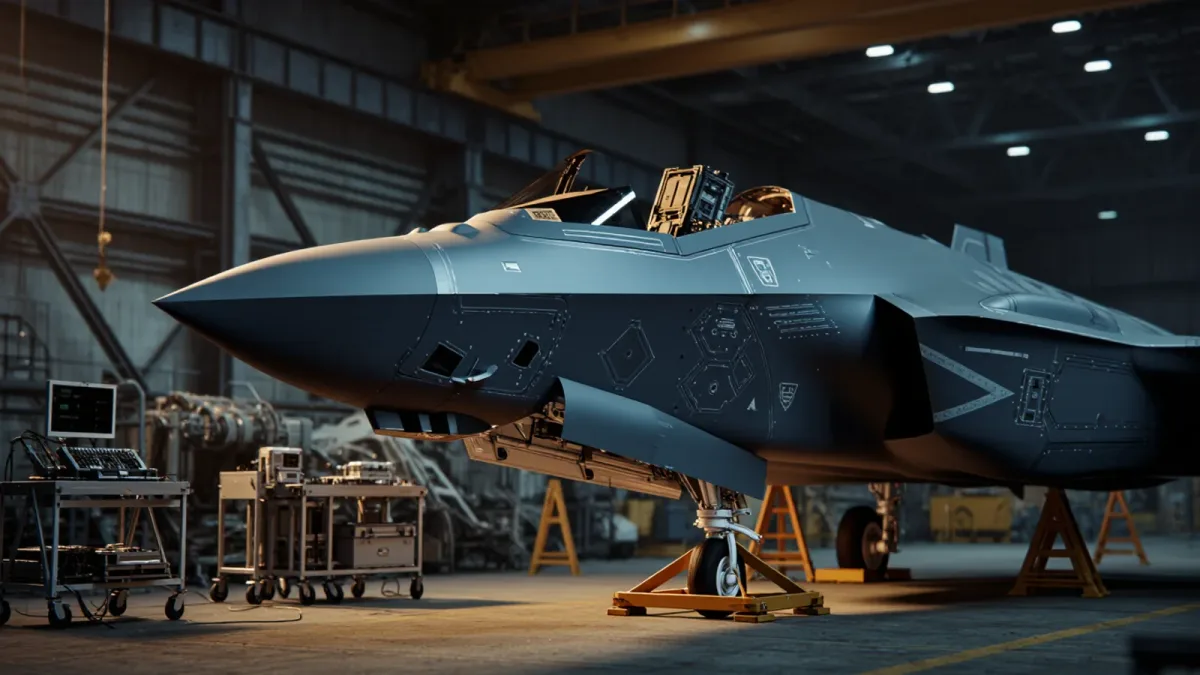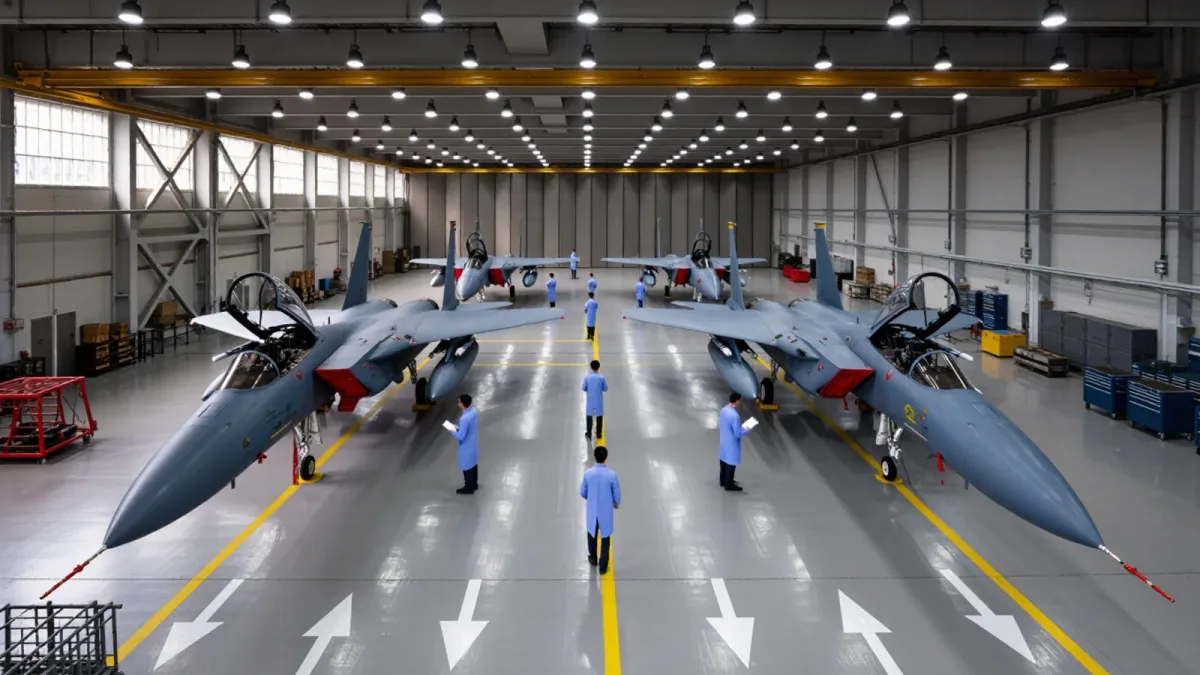
Lockheed Martin and the F-35 Joint Program Office finalized Lots 18-19 on January 7, 2026 — a contract for up to 296 aircraft at approximately $24 billion, per the company's announcement, with deliveries beginning this year. The agreement ends a negotiation that stretched across 2025, and per Air & Space Forces Magazine's review of the deal, it follows the program's record delivery year in 2025.
Why did the deal take so long to close?
Lot pricing moved to an annual cycle after past standoffs, and the 2025 negotiation ran against a new administration budget posture and supply-chain ramp questions. Per the company's January 7 statement, the final agreement covers production and delivery of up to 296 F-35s spanning US services and foreign military sales customers — and the “up to” construction signals the option structure typical of recent lots, where partner and FMS quantities firm up later in the delivery sequence.
What does the delivery record actually say?
Per the same announcement, the program delivered a record number of aircraft in 2025, continuing a recovery from the 2021-2023 years when deliveries paused over Chinese-material questions in a turbine component and later software delays hung over Lots 15-17. The TR-3 combat training capability, cleared in 2024, restored the delivery lane those software delays had held shut, and per Joint Program Office statements of 2024-2025, deliveries since have run against a cleared configuration. Lots 18-19 is the first full production cycle contracted since that stabilization, which is why the company paired the contract announcement with its delivery record — the two facts are one argument.
Why does it matter for the industrial base?
A 296-jet order stabilizes the tier below the airframer: engine deliveries under the Pratt & Whitney F135 line, major structures from Northrop Grumman and BAE Systems, and the hundreds of smaller suppliers who plan hiring against lot quantities. Per the company's own supplier disclosures, lot-level visibility is what the prime transmits down the stack, and a two-lot agreement extends that visibility into the 2027-2028 delivery years. The open question per program commentary is sustainment rather than production: the power and thermal management upgrade needed for later-lot capabilities remains the program's documented constraint, and per service testimony, the contracted production cadence sharpens rather than settles that modernization decision.
What happens next?
Deliveries on Lots 18-19 begin in 2026 per the company's announcement, and the program office moves directly into Lot 20 negotiations against the FY2027 budget then in preparation. Per Air & Space Forces Magazine's contract review, per-jet economics will land below the headline figure once option quantities firm, and the program's stated aim remains lower unit cost at higher rate — a claim the delivery record now supports on the hardware side, while the modernization question waits on the budget side.