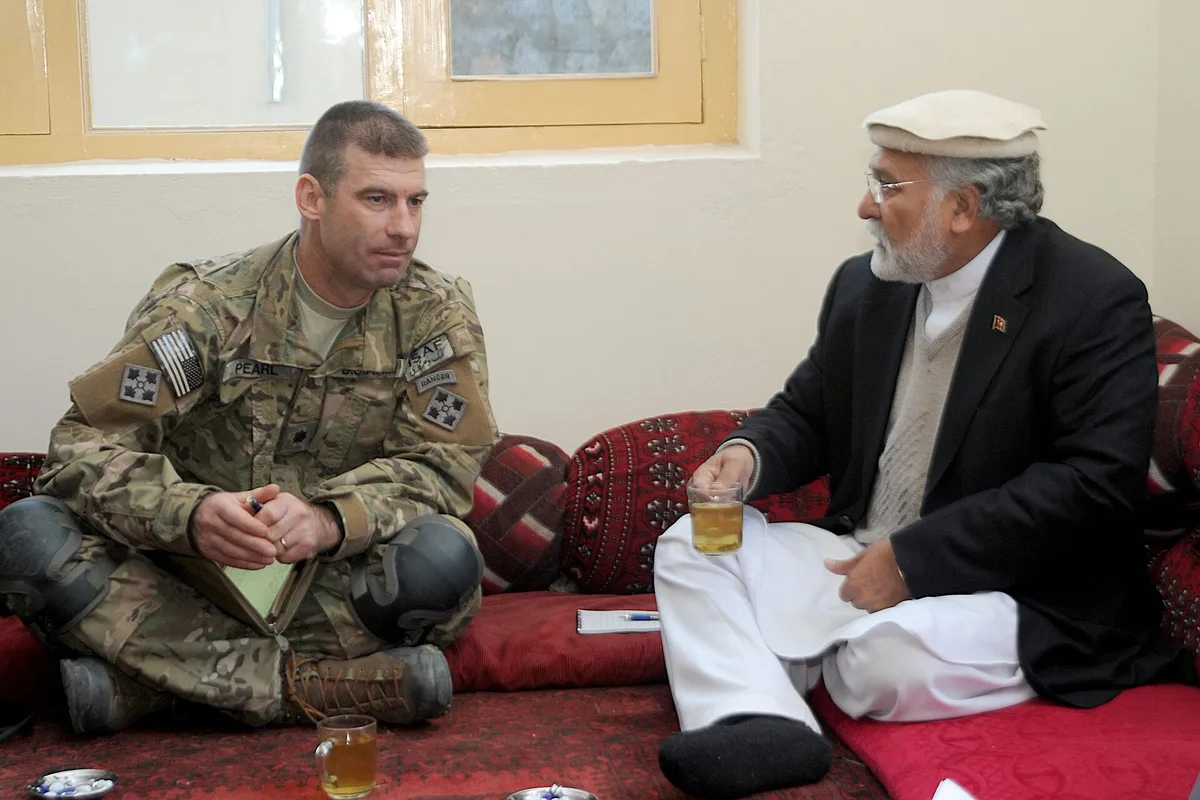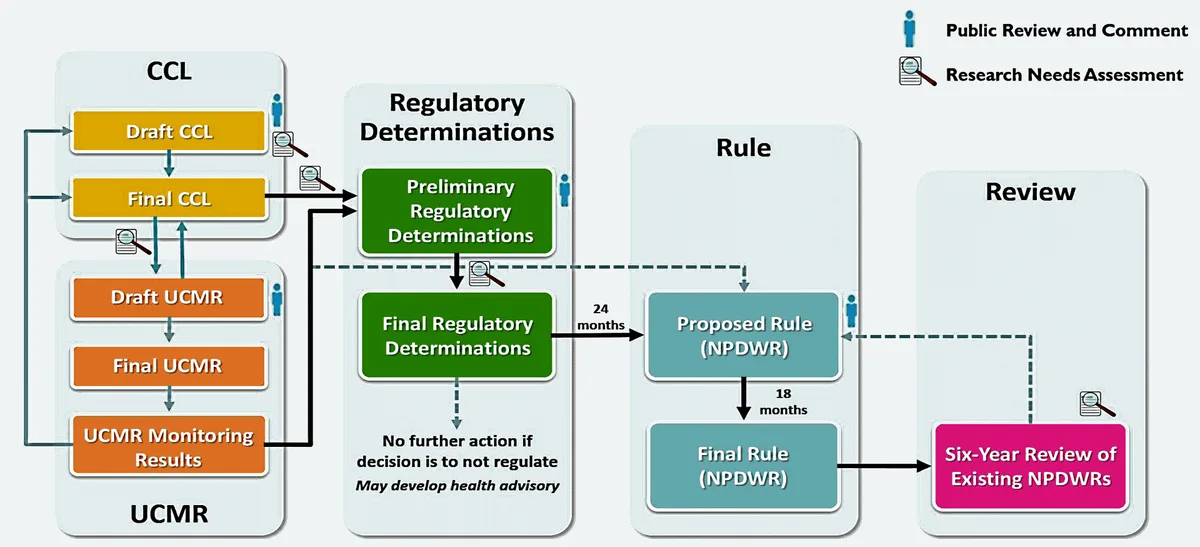
STANAGs — Standardization Agreements — are the NATO documents that record how member nations agreed to adopt a common method, procedure, or specification, and they are the reason a US M1 tank can refuel from a Polish tanker and a German radar track can appear on an American display. Each STANAG is numbered, ratified by individual nations, and implemented into national doctrine; per NATO's own standardization office, several thousand agreements are in force, covering everything from 5.56 mm ammunition dimensions to Link 16 message formats as of 2025. Without them, coalition operations would rely on improvisation; with them, the alliance can patch a multinational force together in weeks.
Advanced Primitive publishes information, not legal advice.
What exactly is a STANAG and who writes it?
A STANAG is a treaty-adjacent record of national agreement, not a law: when a nation ratifies one, it commits to implement the agreed standard through its own regulations. Technical work is done by NATO working groups and panels under the NATO Standardization Office, established in its current form in 2014 to consolidate the alliance's standardization apparatus. Drafting involves member-nation experts — the fuel-handling STANAG draws on national logistics schools, the ammunition STANAGs on national proof houses — and per NATO publications the texts pass through military and, where relevant, civilian standardization boards before ratification. The number is stable across decades: STANAG 4172, defining the 5.56 mm NATO cartridge, dates to 1980 and still governs the round fired by rifles across the alliance.
Which STANAGs matter most for equipment buyers?
Three families dominate defense procurement conversations. Ammunition standards — 5.56 mm, 7.62 mm, 9 mm, 155 mm artillery — define chamber dimensions, pressure limits, and interoperability, and they are why any NATO-qualified 155 mm shell can be fired from any alliance howitzer. Fuels and handling standards, such as F-34/F-35 aviation fuel specifications, let a French aircraft refuel at an American hot-pit pit. And digital interoperability standards, above all Link 16 under STANAG 5516, define the message formats that let national command systems exchange tracks. Per industry practice reflected in Lockheed's own product materials, virtually every tactical radio and data link sold to NATO nations is advertised by its Link 16 compliance — the STANAG is the market.
How does a standard become binding on industry?
Indirectly, through national procurement. NATO does not regulate contractors; a nation that ratifies a STANAG writes it into its military specifications, and its contracts then require compliance. The effect is that a supplier to two alliance nations builds to one standard instead of two, which is the economic argument national defense ministries make for ratification. The reverse also holds: a nation that declines ratification — several maintain national caveats on specific agreements — creates a market boundary, and per alliance standardization publications, harmonization gaps are tracked because they become friction points in operations. For exporters, a STANAG-referenced qualification is often accepted across nations, reducing duplicated test programs.
Where does interoperability still break down?
Standards harmonize interfaces, not inventories or training. Per analyses after coalition operations in Libya in 2011, allied aircraft could share Link 16 tracks but struggled with incompatible targeting procedures and secure-communications key management — the human and procedural layers around the standard. Friendly-fire investigations, including the 2003 US-Polish incident involving a British aircraft, repeatedly cite identification procedures rather than hardware interfaces. The alliance's response has been to expand standards beyond equipment: STANAGs now cover human resources management in multinational headquarters and even aeromedical evacuation procedures. Per NATO's standardization progress reports, the backlog is procedural standardization, not the technical annexes.
What should a defense supplier know before bidding on NATO markets?
Three checks precede any alliance-wide strategy. First, identify the governing STANAGs for the product class and their ratification status per target nation, published in NATO's standardization database. Second, verify the national implementation: a ratified STANAG binds a nation only after it appears in national regulations, and implementation dates vary by years. Third, test to the standard's qualification procedures where they exist — ammunition and fuel standards carry formal qualification regimes, while data-link standards are demonstrated through interoperability certifications such as the Link 16 conformity process run under national authorities. Per supplier experience reflected in industry conference materials, the certification paperwork routinely takes longer than the engineering, which is a planning fact, not a complaint.
How does a STANAG get updated when technology moves?
Amendment cycles run through the same working groups that drafted the original, and they can lag the market. The 155 mm joint ballistics standard that emerged in the 2010s — harmonizing charge systems so guns of different nations could fire a common family of projectiles and charges — took years of national test-house work before the corresponding agreement was ratified, per alliance standardization publications. Data-link standards update faster because industry certification bodies and the national authorities run rolling conformity programs. For suppliers the practical rule is that the version of a standard cited in a contract, not the latest published version, governs the build; mismatched versions of the same STANAG routinely coexist across nations for years, and qualification to the wrong revision is a rework cost documented in alliance interoperability lessons-learned reports.
What does rearmament mean for the standardization workload?
The European procurement surge of 2024-2025 turned standardization from housekeeping into a pacing item. Ammunition is the clearest case: as nations multiplied 155 mm shell orders after 2022, the shared ballistics standard let new production lines in the United States and Europe serve a common demand pool rather than national ones — per DoD production announcements, US 155 mm output targets rose from roughly 14,000 to a goal above 80,000 rounds per month, with European plants scaling in parallel. Shared standards are what make those rounds interchangeable across howitzer fleets. The same logic applies to air defense: per industry statements around European interceptor purchases in 2024 and 2025, buyers weighed STANAG-aligned interoperability as part of the selection case. The bottleneck is not the standards themselves but the ratification and implementation queue — every new technology standard must clear the same committee machinery, and per NATO's own progress reporting, national implementation steps remain the long pole.
Which nations write the standards — and why it matters commercially?
Chairmanships and secretariats of the drafting panels concentrate in a few nations with the largest programs, and that drafting access has commercial value. A supplier whose nation chairs the ammunition panel sees ballot positions and annex revisions years before they harden into ratified text, and can align product roadmaps accordingly — an advantage documented in industry participation patterns at alliance standards working groups. Smaller nations and their industries respond by seconding experts to panels and by building qualification laboratories that can certify to draft standards early. For a non-NATO supplier eyeing alliance markets, the entry path runs through a national delegation as well: standards ballots are cast by nations, not companies, which is why joint ventures with in-country partners recur in STANAG-governed product classes. The committee process is slow, but its output — a ratified agreement implemented in two dozen national procurement systems — is the closest thing the defense market has to a single market passport.
The system's economics explain its persistence: one 155 mm standard sustains shell plants across a dozen nations, one Link 16 standard sustains a competitive radio market, and both were built by committees nobody praises and everybody depends on. When alliance procurement accelerates — as it has per European rearmament budgets in 2024 and 2025 — STANAG compliance is the entry ticket, and the nations that write the standards are the ones whose industries read the drafts first.